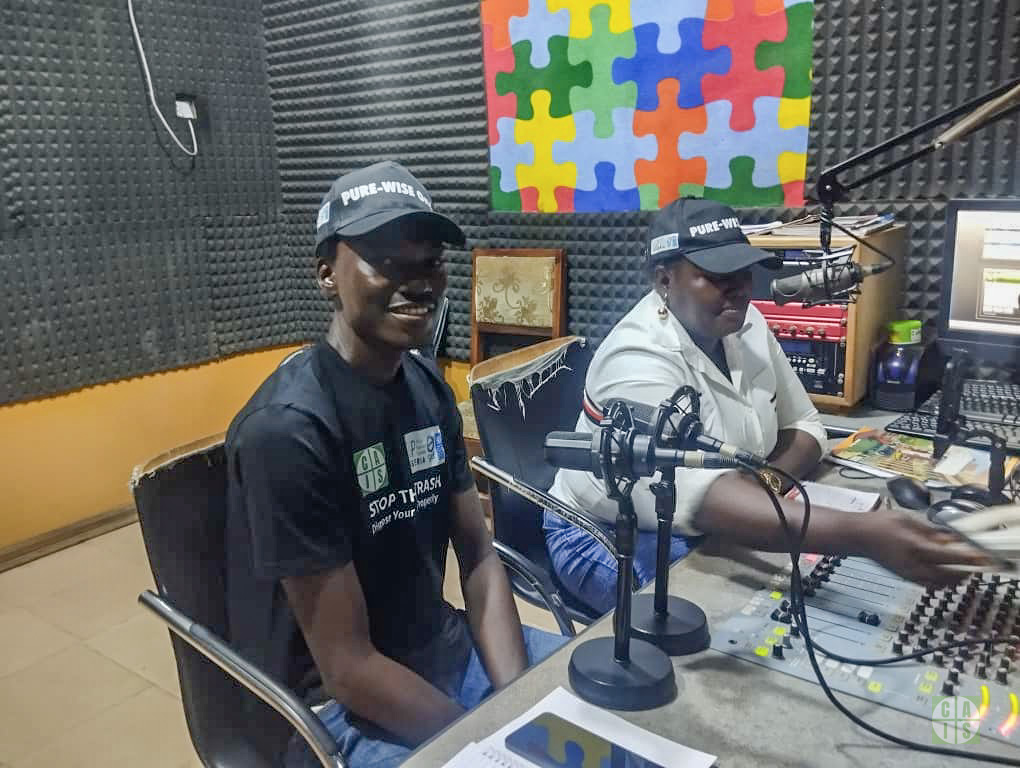
Building Climate Resilience: Key Insights from Our Team Coordinator’s Radio Interview

Climate change is no longer a distant or abstract issue; it is already shaping how communities live, farm, work, and stay healthy. This was the focus of the recent episode of our radio programme, Pure-Wise Half Hour, an interview featuring Akintunde Akinmolayan, Team Coordinator at CAIS, where he spoke extensively on building resilience and adapting to climate impacts, particularly from an African and Nigerian perspective. The radio programme was sponsored by the United Nations Development Programme Global Environment Facility Small Grants Programme (UNDP GEF-SGP).

What Does Building Climate Resilience Mean?

According to Akintunde, resilience is fundamentally about responding to threats to human wellbeing. In the context of climate change, it means strengthening people, systems, and communities so that climate-related shocks—such as extreme heat, irregular rainfall, flooding, and air pollution—do not destroy lives or livelihoods.

He emphasised a critical global injustice:
Africa contributes less than 4% of global greenhouse gas emissions, with Nigeria contributing less than 1%, yet the continent bears a disproportionate share of climate impacts. From food insecurity to health challenges linked to air pollution, climate change is already affecting everyday life across African communities.

“Even though we did not cause most of this problem,” he noted, “we cannot afford to sit back and keep lamenting. We must protect ourselves.”

Adaptation: Living With Change Without Losing Dignity

A major pillar of resilience, Akintunde explained, is adaptation, the ability to adjust how we live and work so that changing climate conditions do not strip people of their dignity or means of survival.

Drawing lessons from nature, he highlighted how living organisms adapt to harsh environments, and stressed that human societies must do the same. Changing weather patterns, such as disappearing harmattan seasons and rainfall occurring at unusual times, are clear signals that old assumptions no longer hold.

Adaptation, therefore, is not optional; it is necessary for survival.

Adaptation at the Individual Level

At the individual level, Akintunde stressed the importance of daily choices. Emissions come from transportation, buildings, agriculture, bush burning, and power generation. Small actions, such as sharing transport instead of using multiple vehicles, can significantly reduce emissions.

He also highlighted the link between economic resilience and climate resilience, especially for young people. When people lack stable livelihoods, climate impacts hit harder. Being economically active strengthens the ability to cope with climate stress.

Another key message was environmental responsibility. He encouraged individuals to become “friends of nature”, particularly by protecting and planting trees. Trees play a vital role in absorbing carbon, cooling communities, and improving air quality.

Community-Based Adaptation and Economic Opportunities

At the community level, Akintunde spoke about the importance of community forests. Beyond environmental benefits, community forests now present real economic opportunities through the emerging carbon market.

Under carbon market arrangements, communities that preserve forests can receive financial compensation because those forests absorb carbon emissions generated elsewhere. Nigeria is already developing frameworks for carbon market participation, creating new pathways for communities to earn income while protecting their environment.

This approach, he noted, builds resilience by linking environmental protection directly to livelihoods.

The Role of Businesses and Indigenous Knowledge

For businesses and industries, Akintunde called for a rethink of development models. He cautioned against the assumption that foreign solutions are always best and advocated for combining indigenous knowledge with modern innovation.

“Our forefathers were already adapting to climate conditions long before we gave it a name,” he explained. Preserving indigenous methods while thoughtfully modernising them can lead to solutions that are more sustainable, culturally appropriate, and resilient.

A Call to Action

The interview concluded with a clear message: climate resilience is not only about policies and technology; it is also about choices, responsibility, and collective action. From individuals and communities to businesses and governments, everyone has a role to play in ensuring that climate change does not undermine lives, livelihoods, and future generations.
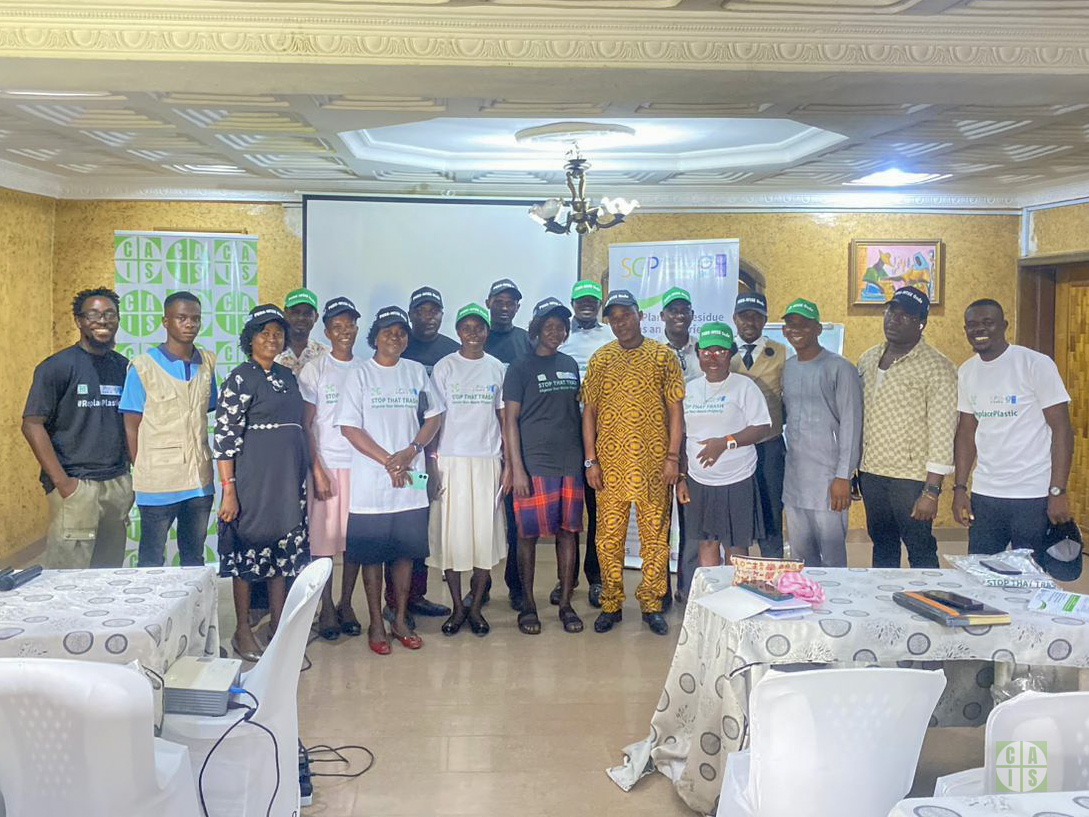
Empowering Ondo Educators: CAIS Trains 20 Teachers for New Green Guardian Environmental Clubs

In a major step toward strengthening school-based climate education, we successfully organised a crucial capacity-building workshop for 20 secondary school teachers in Ondo State. This preparatory training is a cornerstone initiative for the upcoming launch of the Green Guardian Environmental Clubs in schools.

The goal was simple: to ensure that educators, the future Club Patrons and Matrons, are fully equipped and confident to guide and coordinate impactful club activities from day one. This training is a critical component of the PURE-WISE Project (Plantain Residue as an Eco-friendly Alternative for Single-use Plastic Packaging), an initiative proudly funded by the United Nations Development Programme Global Environment Facility Small Grants Programme (UNDP GEF-SGP).

Preparing Teacher-Leaders for Environmental Stewardship

The workshop was strategically designed to transform participants into effective environmental champions. Teachers were introduced to the leadership skills and practical knowledge necessary to drive the clubs’ success. Key modules covered included:

  • Goals and Structure: Deep dive into the mission of the Green Guardian Environmental Clubs.
  • Climate & Waste Education: Practical concepts tailored to school life, focusing on climate change and effective waste management.
  • Mentorship: Techniques for inspiring students, fostering environmental leadership, and encouraging student-owned initiatives.
  • Documentation: Simple, effective steps for tracking and reporting club activities and progress.

The training ensures that every participating school will have qualified Patrons or Matrons ready to hit the ground running when the clubs officially launch this October.

Introducing the Green Guardians Toolkit: A Practical Guide

A highlight of the workshop was the comprehensive orientation on the Green Guardians Toolkit: A Guide for Establishing and Managing Environmental Clubs in Secondary Schools.

This innovative resource provides 24 practical, activity-based modules designed to be easily taught during short club sessions. The modules offer hands-on activities spanning critical areas:

  • Resource Management: Reducing waste and promoting recycling initiatives.
  • School Environment: Organising sanitation and clean-up campaigns.
  • Biodiversity: Tree planting and awareness campaigns.
  • Innovation: Creative upcycling projects and student innovation.
  • Advocacy: Mobilising students for environmental community advocacy.

Teachers were trained on using the modules to plan engaging weekly activities, encourage student-led ideas, and track their impact using a simple logbook system. Each school will receive copies of the toolkit and essential club starter materials during the establishment visits.

Building a Network for Sustainable Impact

A significant outcome was the formation of the “Environmental Champion Educators” network. This new platform will enable participating teachers to continue sharing ideas, support, and success stories, thereby sustaining the momentum beyond the initial training.

The training ensures that the Green Guardian Clubs will be more than just one-off events; they are designed to be continuing, school-led programmes guided by capable teacher coordinators.

We are confident that with these educators now equipped and part of a supportive network, the club structure will be sustainable, teacher-led, and student-owned, positioning them for huge, long-term impact on climate education in Ondo State.

PURE-WISE Ondo Awareness Workshop Inspires Community Action for a Cleaner, Greener Future

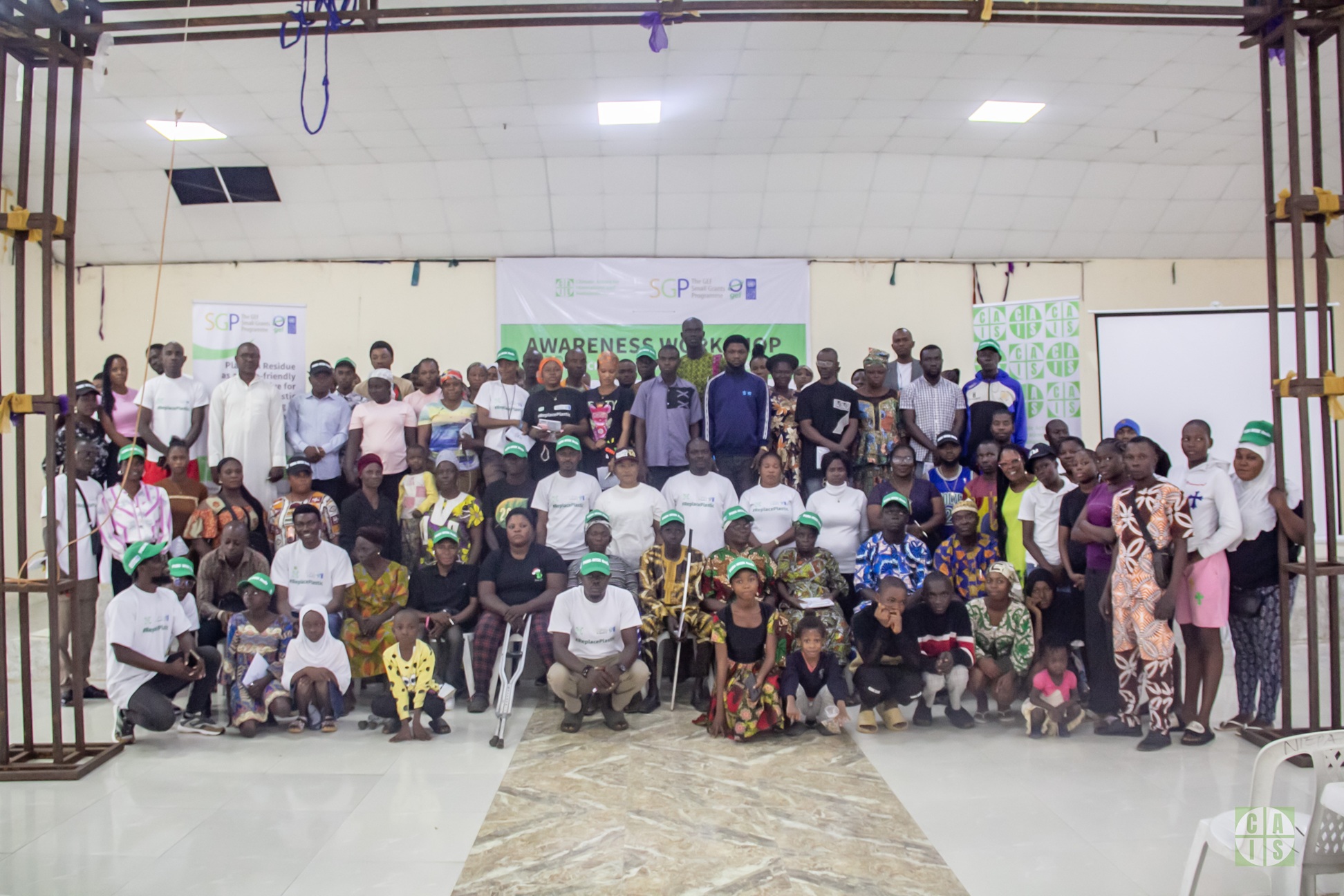
The journey toward a more climate-resilient and environmentally responsible Ondo City has taken a bold step forward with the successful implementation of the PURE-WISE Awareness and Sensitisation Workshop on Climate Change and Proper Waste Management. The workshop, held in Ondo, Nigeria, on July 30, 2025, brought together an enthusiastic group of 108 participants drawn from schools, market communities, artisan groups, local government representatives, and youth leaders.

From the outset, the atmosphere was one of curiosity, energy, and determination. Participants listened intently, asked thoughtful questions, and shared personal experiences, reflecting a deep readiness to take action. The eagerness and genuine commitment displayed throughout the workshop demonstrated that Ondo residents are prepared to become active contributors to environmental change, both in their individual households and in their wider communities.

More Than Awareness: A Movement Begins

This workshop represents more than an educational event. It marks the beginning of a growing movement for environmental responsibility and circular economy innovation across Ondo City and, by extension, Ondo State.

With support from the United Nations Development Programme (UNDP) Global Environment Facility Small Grants Programme (GEF-SGP), the PURE-WISE Ondo project aims to address plastic pollution, promote climate-smart waste practices, and empower communities to convert waste into economic value.

Starting with the first group of 108 sensitised participants, the project is set to reach over 100,000 residents through ongoing awareness campaigns. These will include radio programmes, community dialogues, school environmental clubs, and multimedia outreach.

The PURE-WISE Ondo project has ignited a spark. With continued collaboration and community action, that spark will grow into a statewide transformation for proper waste management both individually and institutionally in the state.

PURE-WISE Ondo: Our Plan to Tackle Plastic Pollution is Underway!

The journey to a cleaner, more climate-resilient Ondo City officially began with the launch of our PURE-WISE Ondo Project, supported by the United Nations Development Programme (UNDP) Global Environment Facility Small Grants Programme (GEF-SGP).

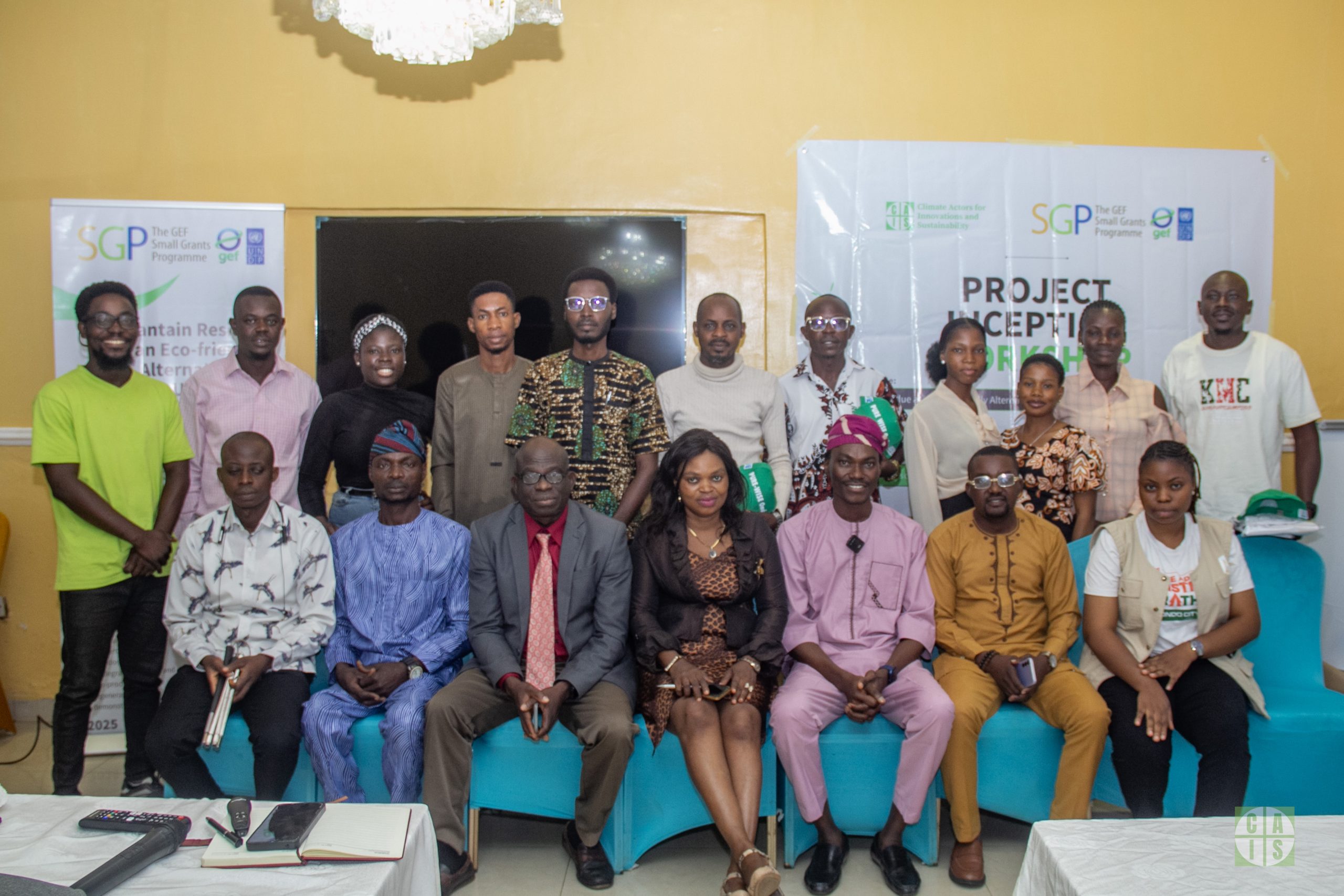
The project titled “Plantain Residue as an Eco-friendly Alternative for Single-Use Plastic Packaging in Ondo Town” held the inaugural Stakeholders’ Inception Meeting on Tuesday, July 29, 2025.

Held at the heart of Ondo Town, the Inception Meeting brought together key stakeholders, including representatives from the state Ministry of Environment, Ondo State Waste Management Authority, educational institutions, community leaders, traders’ associations, youth-led groups, and PWDs groups.

The meeting provided a platform to:

  • Introduce the PURE-WISE project’s objectives, components, and expected impact;
  • Share the findings from the baseline studies;
  • Share ideas on collaborative implementation strategies; and
  • Secure buy-in and long-term support from critical actors within the city.

The Executive Director, Akintunde Akinmolayan, emphasised the role of community-led innovation in tackling the dual challenges of plastic waste and climate change. He presented the findings from the baseline study conducted on people’s perception and attitude towards climate change and waste disposal in the town. At the same time, representatives from the Ondo State Ministries of Environment and Waste Management Authority expressed strong support for the project.

The PURE-WISE Ondo project will now progress into community training, the inauguration of school-based environmental clubs, a 24-week radio sensitisation program, and local innovations that convert plantain waste into biodegradable products.

With continued collaboration among stakeholders, the project aims to:

  • Improve urban waste management,
  • Reduce plastic pollution,
  • Strengthen climate and environmental education, and
  • Create green economic opportunities in Ondo.

“PURE-WISE is not just a project—it’s a movement towards cleaner communities, greener jobs, and a sustainable future that also presents plantain stem as an oil waiting to be explored,” said Lucas Famakinwa, one of the workshop participants.

A New Chapter in Community-Led Climate Resilience

We are thrilled to announce the official commencement of our new project focused on strengthening community-driven climate resilience in Ondo State. This marks a significant milestone for our organisation, and it is made possible through the generous support of our newest donor, the UNDP Global Environment Facility – Small Grants Programme (GEF-SGP).

The GEF-SGP, implemented by the United Nations Development Programme in Nigeria, has joined hands with us to catalyse local innovation and sustainable solutions that tackle the climate crisis at the grassroots level, from the waste angle. Their contribution is not just financial, it’s a vote of confidence in our vision, our community, and our commitment to environmental justice.

The project implementation began on a high note with our participation in the Grantees Inception Workshop held at the UNDP Nigeria Innovation Centre in Lagos. The event brought together grantees from across the country to align on shared goals, deepen understanding of the GEF-SGP framework, and network with fellow innovators driving local impact.

The workshop was both enlightening and energising. We left Lagos not only with practical insights and tools but also with renewed confidence in the power of community-led action to address climate and environmental challenges.

Therefore, over the coming months, we will be working directly with local communities in Ondo to implement a series of transformative activities, including:

  • Awareness creation on sustainable alternatives to plastic
  • Training in upcycling, recycling, and biodegradable product innovation
  • Establishing regenerative processing hubs and green cooperatives
  • Advocacy for inclusive, state-level waste management policies

Each step of the journey is rooted in partnership, inclusion, and the conviction that local solutions create lasting global change.

We look forward to sharing updates, success stories, and impact data as the project unfolds. To our partners, supporters, and communities, thank you for walking this path with us.

Let’s build resilience. Let’s build together.