
Undress AI Scams Discover More

AI Nude Generators: Their Nature and Why This Matters

Machine learning nude generators are apps and web platforms that employ machine learning for “undress” people in photos or create sexualized bodies, often marketed as Clothing Removal Tools and online nude generators. They guarantee realistic nude results from a one upload, but their legal exposure, permission violations, and privacy risks are much larger than most people realize. Understanding this risk landscape is essential before you touch any intelligent undress app.

Most services combine a face-preserving system with a body synthesis or inpainting model, then merge the result to imitate lighting plus skin texture. Marketing highlights fast performance, “private processing,” plus NSFW realism; the reality is a patchwork of training data of unknown origin, unreliable age verification, and vague data policies. The financial and legal consequences often lands with the user, not the vendor.

Who Uses These Tools—and What Do They Really Buying?

Buyers include curious first-time users, people seeking “AI companions,” adult-content creators pursuing shortcuts, and malicious actors intent for harassment or coercion. They believe they are purchasing a instant, realistic nude; but in practice they’re acquiring for a probabilistic image generator plus a risky privacy pipeline. What’s promoted as a playful fun Generator can cross legal lines the moment a real person is involved without written consent.

In this market, brands like N8ked, DrawNudes, UndressBaby, PornGen, Nudiva, and comparable services position themselves as adult AI applications that render artificial or realistic sexualized images. Some present their service as art or satire, or slap “parody use” disclaimers on explicit outputs. Those phrases don’t undo consent harms, and such disclaimers won’t shield any user from illegal intimate image or publicity-rights claims.

The 7 Compliance Risks You Can’t Ignore

Across jurisdictions, 7 nudiva ai recurring risk buckets show up with AI undress use: non-consensual imagery violations, publicity and privacy rights, harassment plus defamation, child exploitation material exposure, information protection violations, explicit content and distribution violations, and contract violations with platforms or payment processors. Not one of these require a perfect output; the attempt and the harm will be enough. Here’s how they tend to appear in the real world.

First, non-consensual intimate image (NCII) laws: many countries and United States states punish making or sharing explicit images of a person without permission, increasingly including deepfake and “undress” results. The UK’s Internet Safety Act 2023 created new intimate material offenses that encompass deepfakes, and greater than a dozen U.S. states explicitly target deepfake porn. Second, right of image and privacy torts: using someone’s likeness to make and distribute a sexualized image can breach rights to control commercial use of one’s image or intrude on privacy, even if the final image is “AI-made.”

Third, harassment, online stalking, and defamation: transmitting, posting, or threatening to post an undress image will qualify as intimidation or extortion; stating an AI result is “real” will defame. Fourth, CSAM strict liability: if the subject seems a minor—or simply appears to seem—a generated material can trigger legal liability in numerous jurisdictions. Age estimation filters in any undress app provide not a protection, and “I thought they were 18” rarely suffices. Fifth, data protection laws: uploading biometric images to any server without that subject’s consent may implicate GDPR and similar regimes, especially when biometric information (faces) are analyzed without a legitimate basis.

Sixth, obscenity and distribution to minors: some regions continue to police obscene materials; sharing NSFW synthetic content where minors might access them compounds exposure. Seventh, terms and ToS defaults: platforms, clouds, and payment processors commonly prohibit non-consensual intimate content; violating those terms can lead to account closure, chargebacks, blacklist listings, and evidence forwarded to authorities. This pattern is evident: legal exposure concentrates on the user who uploads, rather than the site managing the model.

Consent Pitfalls Most People Overlook

Consent must remain explicit, informed, targeted to the application, and revocable; it is not formed by a public Instagram photo, a past relationship, or a model release that never contemplated AI undress. People get trapped through five recurring errors: assuming “public photo” equals consent, viewing AI as harmless because it’s generated, relying on private-use myths, misreading boilerplate releases, and dismissing biometric processing.

A public photo only covers viewing, not turning the subject into sexual content; likeness, dignity, plus data rights still apply. The “it’s not actually real” argument collapses because harms arise from plausibility and distribution, not pixel-ground truth. Private-use misconceptions collapse when images leaks or is shown to any other person; under many laws, generation alone can be an offense. Model releases for fashion or commercial projects generally do never permit sexualized, digitally modified derivatives. Finally, biometric identifiers are biometric identifiers; processing them via an AI deepfake app typically demands an explicit lawful basis and comprehensive disclosures the service rarely provides.

Are These Tools Legal in Your Country?

The tools as such might be operated legally somewhere, however your use may be illegal where you live and where the person lives. The most prudent lens is obvious: using an undress app on any real person without written, informed authorization is risky to prohibited in numerous developed jurisdictions. Even with consent, services and processors may still ban such content and suspend your accounts.

Regional notes are important. In the Europe, GDPR and new AI Act’s disclosure rules make undisclosed deepfakes and facial processing especially problematic. The UK’s Online Safety Act plus intimate-image offenses encompass deepfake porn. In the U.S., an patchwork of state NCII, deepfake, and right-of-publicity laws applies, with civil and criminal options. Australia’s eSafety regime and Canada’s legal code provide quick takedown paths plus penalties. None among these frameworks treat “but the service allowed it” as a defense.

Privacy and Security: The Hidden Expense of an Undress App

Undress apps aggregate extremely sensitive content: your subject’s face, your IP and payment trail, plus an NSFW generation tied to date and device. Many services process online, retain uploads to support “model improvement,” and log metadata much beyond what they disclose. If a breach happens, the blast radius includes the person in the photo plus you.

Common patterns feature cloud buckets kept open, vendors reusing training data without consent, and “erase” behaving more as hide. Hashes plus watermarks can persist even if content are removed. Some Deepnude clones had been caught distributing malware or selling galleries. Payment trails and affiliate tracking leak intent. When you ever thought “it’s private since it’s an app,” assume the opposite: you’re building an evidence trail.

How Do These Brands Position Their Services?

N8ked, DrawNudes, AINudez, AINudez, Nudiva, plus PornGen typically advertise AI-powered realism, “confidential” processing, fast performance, and filters which block minors. Such claims are marketing statements, not verified evaluations. Claims about total privacy or 100% age checks must be treated through skepticism until externally proven.

In practice, customers report artifacts involving hands, jewelry, plus cloth edges; variable pose accuracy; plus occasional uncanny combinations that resemble the training set rather than the target. “For fun exclusively” disclaimers surface frequently, but they don’t erase the consequences or the evidence trail if any girlfriend, colleague, and influencer image gets run through this tool. Privacy statements are often thin, retention periods unclear, and support channels slow or untraceable. The gap separating sales copy from compliance is the risk surface individuals ultimately absorb.

Which Safer Options Actually Work?

If your goal is lawful mature content or design exploration, pick methods that start with consent and eliminate real-person uploads. The workable alternatives are licensed content with proper releases, fully synthetic virtual humans from ethical providers, CGI you create, and SFW fitting or art workflows that never exploit identifiable people. Every option reduces legal and privacy exposure substantially.

Licensed adult content with clear talent releases from reputable marketplaces ensures the depicted people approved to the purpose; distribution and editing limits are specified in the agreement. Fully synthetic artificial models created through providers with verified consent frameworks and safety filters eliminate real-person likeness risks; the key is transparent provenance plus policy enforcement. CGI and 3D graphics pipelines you control keep everything local and consent-clean; you can design artistic study or creative nudes without using a real person. For fashion and curiosity, use safe try-on tools that visualize clothing on mannequins or models rather than exposing a real individual. If you engage with AI creativity, use text-only instructions and avoid using any identifiable individual’s photo, especially of a coworker, colleague, or ex.

Comparison Table: Security Profile and Suitability

The matrix below compares common routes by consent requirements, legal and security exposure, realism expectations, and appropriate scenarios. It’s designed for help you choose a route that aligns with legal compliance and compliance rather than short-term shock value.

Path Consent baseline Legal exposure Privacy exposure Typical realism Suitable for Overall recommendation
Deepfake generators using real images (e.g., “undress tool” or “online undress generator”) None unless you obtain written, informed consent Extreme (NCII, publicity, harassment, CSAM risks) High (face uploads, logging, logs, breaches) Mixed; artifacts common Not appropriate with real people lacking consent Avoid
Fully synthetic AI models by ethical providers Provider-level consent and security policies Variable (depends on conditions, locality) Intermediate (still hosted; verify retention) Reasonable to high depending on tooling Content creators seeking consent-safe assets Use with care and documented provenance
Licensed stock adult photos with model releases Documented model consent within license Minimal when license requirements are followed Low (no personal submissions) High Commercial and compliant mature projects Preferred for commercial purposes
3D/CGI renders you build locally No real-person likeness used Low (observe distribution rules) Limited (local workflow) High with skill/time Creative, education, concept development Solid alternative
Non-explicit try-on and avatar-based visualization No sexualization of identifiable people Low Moderate (check vendor practices) Excellent for clothing fit; non-NSFW Commercial, curiosity, product presentations Suitable for general audiences

What To Handle If You’re Affected by a AI-Generated Content

Move quickly for stop spread, preserve evidence, and utilize trusted channels. Urgent actions include capturing URLs and date stamps, filing platform notifications under non-consensual intimate image/deepfake policies, plus using hash-blocking systems that prevent re-uploads. Parallel paths encompass legal consultation and, where available, police reports.

Capture proof: screen-record the page, note URLs, note publication dates, and store via trusted capture tools; do not share the material further. Report with platforms under platform NCII or AI-generated image policies; most mainstream sites ban artificial intelligence undress and can remove and sanction accounts. Use STOPNCII.org for generate a digital fingerprint of your private image and block re-uploads across partner platforms; for minors, the National Center for Missing & Exploited Children’s Take It Down can help eliminate intimate images from the web. If threats and doxxing occur, record them and notify local authorities; numerous regions criminalize simultaneously the creation and distribution of synthetic porn. Consider informing schools or employers only with direction from support organizations to minimize additional harm.

Policy and Technology Trends to Monitor

Deepfake policy is hardening fast: increasing jurisdictions now outlaw non-consensual AI sexual imagery, and services are deploying authenticity tools. The liability curve is steepening for users plus operators alike, and due diligence obligations are becoming clear rather than suggested.

The EU Machine Learning Act includes disclosure duties for AI-generated images, requiring clear identification when content has been synthetically generated or manipulated. The UK’s Digital Safety Act 2023 creates new intimate-image offenses that include deepfake porn, easing prosecution for sharing without consent. Within the U.S., an growing number of states have regulations targeting non-consensual AI-generated porn or expanding right-of-publicity remedies; court suits and injunctions are increasingly winning. On the technical side, C2PA/Content Verification Initiative provenance signaling is spreading across creative tools plus, in some cases, cameras, enabling users to verify if an image has been AI-generated or modified. App stores and payment processors are tightening enforcement, moving undress tools off mainstream rails and into riskier, noncompliant infrastructure.

Quick, Evidence-Backed Facts You Probably Never Seen

STOPNCII.org uses secure hashing so victims can block personal images without submitting the image itself, and major platforms participate in this matching network. The UK’s Online Safety Act 2023 created new offenses targeting non-consensual intimate images that encompass AI-generated porn, removing any need to show intent to produce distress for particular charges. The EU Artificial Intelligence Act requires explicit labeling of deepfakes, putting legal weight behind transparency which many platforms once treated as voluntary. More than over a dozen U.S. states now explicitly address non-consensual deepfake explicit imagery in legal or civil law, and the total continues to rise.

Key Takeaways targeting Ethical Creators

If a system depends on submitting a real person’s face to any AI undress process, the legal, principled, and privacy risks outweigh any entertainment. Consent is never retrofitted by a public photo, any casual DM, and a boilerplate agreement, and “AI-powered” is not a protection. The sustainable approach is simple: use content with verified consent, build with fully synthetic and CGI assets, preserve processing local when possible, and eliminate sexualizing identifiable individuals entirely.

When evaluating services like N8ked, DrawNudes, UndressBaby, AINudez, PornGen, or PornGen, examine beyond “private,” safe,” and “realistic explicit” claims; search for independent evaluations, retention specifics, safety filters that actually block uploads containing real faces, and clear redress mechanisms. If those aren’t present, step aside. The more the market normalizes consent-first alternatives, the smaller space there is for tools which turn someone’s photo into leverage.

For researchers, reporters, and concerned groups, the playbook involves to educate, utilize provenance tools, plus strengthen rapid-response reporting channels. For all others else, the best risk management is also the most ethical choice: decline to use undress apps on actual people, full period.

Neon Pink Tracksuit Trending Tracksuit Now

Is Sp5der Real? The short response

Absolutely—the Sp5der name is a authentic urban wear company with authentic items, however the category is saturated with counterfeits and copycat platforms. Authenticity relies on the exact piece along with the seller, not just the logo. Treat every purchase like a verification process and you’ll avoid most traps.

Hype periods along with vivid graphic designs make the brand a prime target for low-effort fakes, especially in hoodies and sweats. Because interest consistently exceeds supply, scammers target customers using under-market prices and convincing photography. The good update: real products have consistent quality, design performance, and retail infrastructure that are hard to fake perfectly. The following system prioritizes fast, non-destructive checks you can apply before money moves. Employ it thoroughly or jump to the sections relevant to how you’re purchasing.

What is Sp5der and why is it heavily counterfeited?

Sp5der sits in the modern streetwear lane: graphic-forward, heavyweight fleece, and limited drops that travel well on digital platforms. That combination creates predictable counterfeit incentives: simple graphics to replicate, high margins, and a young audience that commonly purchases using links and private chats.

Counterfeiters typically target the most in-demand hoodies along with tracksuits as they’re easier to manufacture at scale than complex cut-and-sew. Many fake operations rely on the “vinyl-on-fleece” creation method, which superficially mimics puff or screen print but behaves differently to the touch and over time. Lookalike web shops also multiply around drops, swapping letters with numbers in domain names and scraping imagery from authentic stores. Understanding these trends converts a vague “vibe check” into a specific playbook for identifying issues. Once you learn where replicas cut spider tracksuit blue corners, you can examine for those vulnerable spots in seconds.

How should you spot a fake Sp5der fast?

Perform a three-step scan: print execution, fabric along with build, and labeling/packaging. If any one pillar fails decisively, walk away.

Begin with graphics. Authentic graphics on thick fabric present clean, consistent edges and a uniform paint layer; raised effects rise steadily and don’t feel like a dense synthetic sticker. Counterfeits commonly utilize hot-pressed vinyl or low-grade plastisol that sits on surface of the fabric, feels sleek, along with reveals shiny edges, micro-bubbling, or obvious banding when lit at an angle. Gently curve the cloth across the artwork—real color will micro-crack in narrow marks without lifting, while inferior plastic tends to wrinkle in broad sheets or crease clearly. On various-colored graphics, zoom photos 2x–4x to check color alignment; offset tiers and fuzzy linework are common tells.

Examine material plus build. Authentic heavyweight fleece feels dense and spongy rather than airy; cuffs along with edge keep shape, and seams are straight with even needle spacing. Poor knits on fakes lose structure quickly, collapsing at the cuff after minimal wearing. Study internal photos of the side seams and kangaroo compartment: loose finishing tails, skipped lines, along with irregular seam allowances telegraph mass-produced knockoffs. Take rough dimensions of torso length and armpit-to-armpit against an known size guide; fakes often run long plus thin to save material.

Confirm labels and packaging. Expect a clean throat or hip label with sharp text, readable care content, and consistent spacing; smeared ink or unclear lettering are red warnings. Commercial hang tags should include functional scans and coherent pattern/measurement details, along with branded polybags usually feature a size or product sticker aligned square. Do not trust any single element—tags vary across seasons—but demand high-resolution, well-lit photos of tags, sewing, along with boxing from multiple perspectives. If a seller refuses simple verification photos, that’s your answer.

What platforms plus marketplaces are secure to purchase from?

Utilize authorized company links and stores you can independently verify, or platforms featuring robust buyer protection and, ideally, in-hand authentication. Skip independent platforms that you cannot confirm via the brand’s confirmed social pages.

Lead from the brand’s verified social accounts and follow the link in bio to the present authorized shop or stockist catalog. Confirm any boutique claiming to be a retailer against that list; if there is no record, call the brand immediately for validation. For secondary market purchases, prefer platforms that offer either third-party authentication for apparel or proven dispute infrastructure along with secured transfers. When dealing person-to-person, demand payment methods with reversal security, long-standing seller ratings, along with marked, original listing images. When in doubt, broaden your quest to multiple channels; authentic products form a trail across reliable systems, while pop-up fraud stores operate in isolation.

How do you vet a website in 90 seconds?

Check platform history, business identity, refund systems, photo originality, and financial alternatives. If two or more checks fail, don’t proceed.

Run a WHOIS lookup to see domain lifespan; throwaway fraud domains cluster under 90 days old. Scan the bottom for a full legal name, physical address, company documentation, along with a working telephone contact; validate the details independently, not merely using the site. Study the exchange and shipping sections for detail: concrete timeframes, clear addresses, and realistic processing timeframes suggest authentic operations, while standard wording along with vague promises do not. Backward image search a few product photos; stolen imagery from legitimate stores is a common tell for fake shops. Finally, check payments—credit cards plus PayPal Commerce & Services provide options; force toward bank transfer, crypto, or Friends & Family signals a hard stop.

Does price expose the fake? Use this fast calculation

Yes—build a cost middle along with set a risk threshold. If a seller is significantly below that floor, you’re likely looking at trouble.

Gather three present prices for the specific item and size from reliable venues, then compute the median. Treat anything under seventy-eighty percent of that median as elevated danger unless provenance is secure. This approach filters out most “too great to be true” bargains while still allowing fair bargains. Recalculate medians during large restocks or hype spikes because markets are dynamic. Always pair price analysis with the design/quality/marking tests above.

Source (example) Existing rate (USD)
Platform A 220
Platform B 205
Marketplace C 215
Median of the three 215
Hazard minimum (70% of middle) 150.5
Seller offer you found 129
Conclusion Elevated danger: beneath base

Swap in your individual data for your size and colorway. The exact threshold you choose depends on your risk appetite, but dipping beneath seventy percent of an up-to-date middle almost always correlates with either fakes or non-delivery scams.

Payment, shipping, and dispute tactics that work

Use payment rails with buyer coverage, require trackable shipping, and document everything. This stack gives you leverage if something goes badly.

Pay with a payment card or PayPal Goods & Services rather than financial transfers, cryptocurrency, or Friends & Family. Ask the seller to add confirmation confirmation and total protection on shipments over a set value, and keep the first boxing until you decide to keep the item. Film a single-shot unboxing video showing the label, packaging, and item condition, including close-ups of designs and labels; this supports “not as described” claims if needed. Know your timelines: card chargebacks and payment platform disputes have finite windows, so set schedule alerts the day you buy. Keep the listing, messages, invoices, and tracking in one spot to ease any claim.

What paperwork should accompany authentic pieces?

For fresh products, expect a sensible market line: branded tags, a proper invoice, and packaging that matches the product. For pre-owned products, origin still matters—ask for bills or platform order codes when possible.

New retail items typically arrive with a swing tag carrying style, size, plus a scan code or SKU, plus a care label with obvious material details and wash instructions. Polybags are typically size-stickered along with clearly labeled or labeled; arbitrary, standard pouches without size or product info are suspect for “fresh with tags” claims. Receipts should reveal the seller’s official or system name, the precise item details, and date; images of transaction transfers without product specifics do not count as evidence of origin. For secondhand, ask for images of the first transaction document or order verification with private info redacted. Time particulars along with tag designs can vary, so weigh paperwork as portion of the whole, not the single determinant.

Danger signals you should never overlook

Multiple indicators connect strongly with fakes or failed-shipping scams. Treat any one of these as a serious warning and pause the transaction.

Prices far below current market without a believable explanation indicate either replicas or bait-and-switch tactics. Vendors forcing you to pay via Zelle, Money App, crypto, or Friends & Family to “save fees” are avoiding the protections you need. Websites with freshly minted domains, copy-pasted policies, and no verifiable business identity consistently fade after a few weeks. Postings that reuse stock pictures or visuals from other shops without showing real, in-hand markings and connections are a no-go. “Advance” offers for past times or “single-day only” pressure strategies are standard urgency scams.

Little-known, verified facts about buying Sp5der products

HTTPS padlocks only signal an encrypted connection; they don’t validate that a store is legitimate or approved. You can check domain lifespan plus filing in seconds through an ICANN WHOIS lookup, plus many deceptive storefronts cluster under 60–90 days old. Payment methods like Zelle, Cash App, and Venmo Friends & Family provide little to no buyer coverage for items and services transactions. Reverse image search frequently exposes stolen product photos, especially when fraudsters harvest legitimate boutiques.

A quick material indicator that doesn’t damage the garment: brush the fleece face laterally with your palm; genuine thick fabric resists and bounces back, while super-cheap knits tend to shed or matte instantly. Combine these small checks and you’ll filter out a majority of risky listings before you ever reach a seller.

Expert Tip: one thing buyers miss

“Demand two simple photos most replicas dislike providing: a slanted-brightness detail of the print edge at 45 degrees, and an internal picture of the side seam from armpit to edge. Under slanted light, vinyl-based replicas display reflective ridges, micro-bubbles, and hard cut lines; quality inks diffuse light more evenly. Reverse-side, seek tidy overlock with steady fiber tension and clean bar-tacks at stress points. These two viewpoints take seconds to capture and surface 80% of building compromises without specialized tools.”

Requesting these particular images is reasonable, non-destructive, plus simple for legitimate sellers. If someone declines or sends unclear, cut visuals instead, assume they’re avoiding scrutiny and move forward. Over time you’ll build an intellectual archive of what excellence seems like for the label’s primary shapes and seasons. Maintain those benchmark photos handy so you can compare quickly in upcoming buys.

Care along with exchanges: keep protected after you purchase

Examine first, choose second. Don’t remove labels or wash until you’re satisfied with authenticity and quality.

On arrival, check prints under side lighting, validate marking content clarity, and check sizes against the seller’s listing and a trusted size guide. Image any defects immediately and contact the seller or venue within the stated window, citing particular rule language. If legitimacy is in doubt, preserve all packaging and provide the unboxing video and macro photos when opening a case. For remote-location transports, store tracking and insurance documents in case of shipping troubles. When you do keep the item, follow care directions precisely—thick designs and fleece react best to cold washes reverse-side plus air drying, which maintains graphics plus shape.

Real Studio Denim Tears Denim Tears T Shirt

Pairing Denim Tears Sweatpants: Your Guide to Everyday Street Fashion

Denim Tears sweatpants pieces have left behind hype-driven novelty and found their place as something approaching a wardrobe staple for folks who treat streetwear as more than a phase. The label’s signature cotton wreath motif conveys cultural significance that the majority of sweatpants out there lack entirely, which changes how you ought to approach wearing them. This isn’t a case of throwing on any old joggers and considering the job done. Each styling choice either honors the aesthetic logic or clashes with it, and the difference shows up in photos, in person, and in the way the look holds up over a season of wear.

What this guide sets out to do is simple: give you repeatable outfit formulas, guidance on pairing textures, and seasonal tweaks so the sweatpants prove their worth in your regular lineup rather than sitting folded on a shelf. This includes silhouette balance, footwear choices, cold-weather layering, and how to sidestep the biggest misstep folks tend to make with bold, graphic sweatpants — piling on too many accessories up top and losing the impact of the pants in an overcrowded outfit.

Why Silhouette Comes Before Styling

Denim Tears sweatpants generally feature a relaxed thigh silhouette and a straight leg hem, varying with the exact silhouette released that season. This fit profile is the most crucial thing to build around. If you combine a roomy sweatpant with an matching oversized top, you lose the leg line completely, and the outfit denim tears t-shirt comes across as shapeless rather than deliberate. The wreath embroidery, typically placed along the leg, needs room to be seen — a busy silhouette drowns it out.

A useful rule of thumb: choose one roomy zone and one fitted zone in each look. If the sweatpants serve as the loose element, offset them using a slim or a slim crewneck, a short jacket, or a tucked long-sleeve. If you want to wear an oversized hoodie up top, consider going truer to size on the sweatpants, or cuffing the hem to reveal the ankle and introduce a clear break in proportion. Making just this change elevates the fit more than any added accessory.

Fabric weight matters just as much. Heavyweight fleece sweatpants, typical of Denim Tears drops, hold structure better than lightweight French terry, so they photograph cleaner in a casual pose and hold their shape through a full day of wear without sagging at the knee. That structural integrity is one reason buyers spend extra for the pants in the first place — the way the fabric falls does work that cheaper sweatpants can’t.

Footwear: The Decision That Makes or Breaks the Look

Shoe choice is where most folks either upgrade or undermine a sweatpants-based fit. Because the sweatpants already carry a loud print-driven statement, the shoe choice should either play off the tonal theme or function as a grounding neutral. Flashy, multi-toned sneakers competing with the cotton wreath print usually create visual clutter rather than cohesion. Rather, go for one dominant sneaker hue that draws a one color from the sweatpants’ palette.

  • Leather low-tops in white or off-white sit well alongside almost every Denim Tears hue combination and guide the eye moving upward toward the print.
  • Bulky retro-style trainers hold up if the sweatpants are a plain, toned-down base color — they bring in tactile interest without clashing against an already loud leg print.
  • Boots, especially Chelsea or work-boot silhouettes, anchor the outfit for winter stretches and give the loose pant leg a firm counterpoint to break against at the ankle.
  • Slides or slip-ons suit a genuinely relaxed day but only when the sweatpants are shortened or cuffed — full-length loose hems trailing across slides look unfinished.

The choice of socks is a little touch with disproportionate effect. A exposed crew sock in a contrasting color, worn with cropped or cuffed sweatpants and low-top sneakers, is a simple way to add a deliberate styling touch without paying anything extra.

Layering by Warmth and Texture

Given that a look that only holds up in 65-degree weather is not something you can wear daily, layering strategy matters as much as the foundational look. In cooler months, a knee-grazing wool or wool-blend overcoat left unbuttoned over a hoodie and sweatpants creates a elevated-casual mix that comes across as deliberate rather than thrown-together — the tailoring of the coat offsets the casualness of the fleece below it. This styling move is especially effective because the coat’s defined shoulder shape gives the eye a anchor point, permitting the relaxed sweatpants move freely underneath without the whole outfit looking sloppy.

For transitional weather, a short puffer jacket or a quilted gilet placed over a long-sleeve tee hits the right note — enough warmth for a 45 to 55 degree day, short enough to keep the waistband and upper thigh area of the sweatpants on display, which is significant if that’s where the graphic sits. Denim or canvas chore jackets are a further good pick; the difference between structured woven cloth on top and plush fleece below is a contrast in feel streetwear has drawn from for years because it simply works.

When the weather warms up, the sweatpants should become the hero item while you minimize extra layers almost entirely. An unadorned fitted tank or tee, one finishing piece — a cap or crossbody bag, and clean sneakers is enough. Overdesigning a warm-weather outfit anchored by heavyweight fleece sweatpants tends to look mismatched with the season, no matter how good the individual pieces are.

Keeping Color Pairing Simple

You don’t need an elaborate method for color matching — you still need a repeatable approach. Denim Tears puts out sweatpants in both toned-down solids and richer, season-driven colorways, and the method for putting it together changes depending on which you own. For toned-down solid colors — gray, black, cream, navy — there’s far greater latitude to add a vivid top or jacket color because the pants function as a neutral base. For saturated colorways, the most reliable method is pulling a single extra color straight from the print and echoing it in a smaller way somewhere else in the look, whether that’s a hat, sock, or bag strap.

Don’t put two attention-grabbing graphics together in one look — a heavily branded jacket over heavily printed sweatpants usually looks busy rather than curated, even when both garments are individually high quality. The most polished Denim Tears looks typically let a single graphic moment take the lead while the rest of the outfit remains quiet by comparison.

A Look at Three Go-To Outfit Formulas

Look Type Upper Piece Footwear Ideal Occasions
Clean Minimal Trim-fit crewneck in white or black Low-top leather sneakers Casual workdays and running errands
Cold-Weather Layering An unbuttoned wool overcoat worn over a hoodie Chelsea boots or a leather boot option Fall and winter, temperatures below 50°F
Mixed-Texture Look Long-sleeve tee under denim chore jacket Thick-soled retro runners In-between seasons and weekend wear

Mistakes People Often Make

The most frequent misstep is treating the sweatpants as an afterthought rather than the focal point they’re designed to be. Matching them with a similarly loud graphic tee or oversized branded jacket creates visual conflict instead of cohesion, and the outfit ends up looking cluttered in photos even if it felt fine in the mirror. Neglecting hem length is another typical misstep — pants that drag along the floor pick up dirt quickly and make the leg line look shorter, undercutting the tapered silhouette the design is designed to showcase.

Laundering habits are just as important. Thick fleece keeps its structure best with an inside-out cold wash followed by air-drying rather than machine drying, which helps stop the printed graphic from cracking and keeps the fabric from shrinking unevenly wash after wash. Skipping this step is a quiet way people damage an expensive piece within a few months of regular wear.

Building a Rotation That Actually Gets Worn

The sweatpants earn its place in a 2026 streetwear lineup when it’s treated as adaptable rather than something to be babied. Keep two or three layering choices on rotation — one fitted, one textured, one heavier for cold days — and one or two sneaker options that already align with the dominant colorway. Because this cuts the daily decision fatigue that leaves expensive pieces unworn, Denim Tears sweatpants shift into being a true daily staple instead of a special-occasion item held back for the days you’re making the most effort.

Elite Interior Experts Close To Business Bay Area

Home Interior Styles in Dubai: Which Is Right for Your Home?

Dubai is a city where a glass tower apartment, a Mediterranean-style villa, and a palace-inspired mansion can all exist within a few kilometres of one another. That variety is reflected in the interior design styles residents choose for their homes, and the sheer number of options can make picking one feel difficult. The right style is not just whatever photographs best; it is the one that suits your architecture, your daily life and your budget. In 2026 the local mood favours understated elegance and warm, natural materials, yet bold and classical looks remain popular in many communities. This guide runs through the styles you are most likely to weigh and helps you match them to your home. Read each description with your own space and lifestyle in mind, and a clear favourite should begin to emerge.

Choosing a Style That Genuinely Fits You

Before falling for a particular look, it helps to weigh a few practical factors that will guide your decision. Begin with your architecture: a minimalist scheme suits a modern Downtown Dubai apartment, whereas ornate detailing can work in a larger villa. Consider the quality and direction of natural light, since Dubai’s bright sun can wash out pale schemes or overheat dark ones. Consider how you really live, whether that means entertaining often, raising young children, or needing a calm retreat from the city. Budget matters too, as heavily bespoke or classical interiors generally cost more to execute than clean contemporary ones. Finally, weigh resale and rental appeal if you may move on, because broadly liked styles tend to attract more interest. Keeping interior design dubai these factors in mind grounds your choice rather than leaving it purely aesthetic.

Contemporary Minimalist Style

Contemporary minimalism is one of the most requested looks in Dubai apartments, and it suits the city’s modern towers particularly well. The style relies on clean lines, uncluttered surfaces, and a restrained palette of whites, greys, and soft neutrals. Rather than ornament, materials and craftsmanship express quality here, so joinery, stone and lighting carry the design. In Dubai Marina, Business Bay and Downtown Dubai, where open layouts and floor-to-ceiling glass are common, it works beautifully. Since the look is pared back, every visible element has to be well made, which keeps standards high. Studios with a minimalist, spatially driven approach, such as VSHD Design and Sneha Divias Atelier, demonstrate just how disciplined this style can be. If calm, order and easy upkeep matter to you, minimalism is a strong candidate.

Modern Arabic Style

Blending regional heritage with contemporary comfort, modern Arabic design resonates strongly with many residents in the Emirates. The look draws on geometric mashrabiya patterns, arches, rich textiles, and warm earthy tones inspired by the desert landscape. Instead of copying historic interiors literally, the modern take keeps the mood but simplifies the detailing for everyday life. Brass accents, carved screens and layered rugs bring texture without overwhelming a room. This style suits villas and larger apartments where there is space for its generous, hospitable character. It pairs naturally with majlis-style seating, which remains central to how many families in Dubai receive guests. Pick this direction if you want a home that feels rooted in the region but thoroughly current.

Classical and Neo-Classical

Classic and neo-classical interiors remain a firm favourite in Dubai’s larger villas and palace-scale homes. The style is defined by symmetry, ornate mouldings, statement chandeliers, and a deliberate sense of grandeur and formality. Rich materials — marble, gold or brass detailing, and upholstered furniture — create an atmosphere of luxury. It feels most at home in spacious properties in communities such as Emirates Hills, Palm Jumeirah and the larger Arabian Ranches villas. Executing this look well demands skilled craftsmanship, so it typically sits at the higher end of the budget scale. Firms known for classical and neo-classical work, including Luxury Antonovich Design and ALGEDRA Interior Design, show the level of detail involved. If you love a sense of occasion and have the space to support it, this style delivers real impact.

Quiet Luxury and Warm Minimalism

Warm minimalism, often described in 2026 as quiet luxury, has become one of the defining moods of the moment. It retains the discipline of minimalism yet softens it with natural, tactile materials and a warmer palette. Think oak, travertine, linen, boucle, and layered lighting that make a space feel serene rather than stark. The focus is comfort, quality and understated elegance rather than obvious display or visible logos. This look suits both apartments and villas, adapting easily to different room sizes and budgets. It works comfortably with biophilic touches such as indoor greenery, itself another strong current trend. If pure minimalism feels too cold, warm minimalism gives you the same calm with more soul.

Urban Loft and Industrial Style

Industrial style delivers a raw, urban edge that appeals to younger residents and creative professionals. It celebrates exposed concrete, visible ductwork, metal, and reclaimed or aged timber rather than hiding them away. The palette tends towards greys, blacks, browns, and the honest texture of the materials themselves. In Dubai this look often appears in loft-style apartments, studios, and creative districts such as Alserkal Avenue in Al Quoz. Since it embraces imperfection, it can be more forgiving and, at times, more affordable than highly polished alternatives. It pairs well with warm lighting and a few softer furnishings to keep a room from feeling cold. Consider this style if you want personality, character, and a relaxed, unfussy atmosphere.

Comparing the Styles at a Glance

Sometimes the easiest way to decide is to see the options side by side rather than in separate paragraphs. Below, the table sums up who each style tends to suit, its signature materials and roughly where it falls on the cost scale. The cost tiers are broad 2026 market estimates, not fixed quotes, as final figures depend on size, finishes and specification. Use the table to narrow down two or three styles that suit your home and budget, then return to their descriptions above. Remember that many successful Dubai interiors blend two styles, such as warm minimalism with modern Arabic touches. Take this as a starting framework rather than a set of rigid rules, since your own priorities should always have the final say.

Design style Ideal for Hallmark materials Price tier (2026 estimate)
Contemporary minimalism Modern apartments Stone, glass and matt joinery Mid-range
Modern Arabic Villas, family homes Brass, carved wood and textiles Mid-to-high
Classic / neo-classical Larger villas Marble, gold detailing and upholstery High
Warm minimalism Apartments and villas Oak, travertine and linen Mid
Industrial loft Lofts and studios Concrete, metal, aged timber Budget-to-mid

Aligning Style with Budget and Space

Once you have a shortlist, a few practical checks will confirm whether a style truly fits your home. Cost is the first filter, because classical and heavily bespoke schemes demand more craftsmanship and therefore a larger budget. Space is the second, since grand, ornate looks need volume to breathe while minimalism can flatter a compact apartment. Light, storage needs and how much upkeep you are prepared to do all play a part too. The quick pointers below help you sanity-check your favourite before you commit to it. Run through them honestly and you will avoid choosing a style that looks wonderful but frustrates you in daily life.

  • On a tighter budget, warm minimalism and industrial looks go further than classical schemes.
  • In a compact apartment, lean towards minimalism or warm minimalism to keep the space feeling open.
  • In a large villa, classic, neo-classical or modern Arabic styles fill the volume gracefully.
  • If you dislike cleaning, avoid high-gloss surfaces that show every mark in Dubai’s dusty climate.
  • If you might rent the home out, favour broadly popular, neutral schemes.

Making Your Final Choice

Choosing an interior style is ultimately about balancing how a space looks with how it needs to work for you. Begin with your architecture and lifestyle, then let budget and room size trim the field to a realistic shortlist. There is no one right answer, and some of the most memorable Dubai homes confidently mix two complementary styles. If you are unsure, gather reference images and look for the common threads, because your saved favourites usually reveal your true taste. A good designer can then turn that direction into a scheme tailored to your home and the 2026 market. Take your time at this stage, since the style you choose now will shape years of daily living. Trust the look that feels like home, and the details will follow.

YSL Luxury Purse YSL Puffer Bag

The Row Bags: A SplurgeThat’s Worth Waiting For

Shoppers researching the row understand quickly that this is not a brand built for impulse buying. It’s built for people who want one exceptional object that outlasts trend cycles entirely. The Row has built its reputation on restraint, and while much of the fashion industry chases seasonal trends, this brand, founded by Mary-Kate and Ashley Olsen, has spent nearly two decades refining a handful of silhouettes rather than chasing novelty—an approach that has turned The Row bags into something closer to modern heirlooms than fashion accessories.

Understanding why these pieces command such loyalty requires looking past the price tags and into the construction, material sourcing, and design philosophy that sets row handbags apart from nearly everything else on the market. This article breaks down what makes them worth the wait, which styles matter most, and where you can actually find them.

Why The Row Handbags Command Such Remarkable Fan Devotion

Every bag in the present the row bags overview carries a few uniform traits: understated hardware, architectural but relaxed silhouettes, and leather that’s been chosen and finished with an uncommon level of care. The brand famously limits embellishment — no conspicuous logos, no flashy labeling, no seasonal gimmicks. This styling philosophy has made row bags a favorite among stylists, editors, and collectors who value longevity over recognizability.

Rarity is central to the appeal. The Row produces far smaller quantities than most luxury houses, and certain styles sell out within days of restocking. It’s not artificial hype; it stems from authentically small production runs tied to specialized ateliers based in Italy. Buyers often describe wait times lasting several months for the most coveted silhouettes, especially among neutral shades such as ecru, black, and taupe.

There’s also the resale market to consider. Multiple standout bags in the row — including the earlier Margaux as well as Sideby styles — have exhibited ysl clothing solid holding of value relative to comparable designer bags, with some styles commanding resale values matching or exceeding original retail inside that first twelve months. Few pieces manage that, which suggests true demand is at play rather than fleeting speculation.

Margaux, Sideby, and the Tote,? the Must-Have Silhouettes

Few would dispute that the Margaux is the label’s signature design standout, admired for its slouchy structure and its tendency to conform to the rhythms of regular use. It comes in multiple sizes, meaning it can double as both a go-to daily carryall with crossbody styling and a sleeker after-dark option according to which iteration you pick. People regularly inquire where to buy the row margaux bag, because it’s carried on a rotating basis between its direct-to-consumer website and a small number of authorized luxury retailers.

The Sideby bag embraces a firmer silhouette offering both a top handle and a strap option, making it versatile for daytime meetings as well as evening outings. Meanwhile, the tote from the row has solidified its place as the brand’s workhorse piece — roomy, left unlined in certain versions to reduce heft, and finished with the same understated hardware found across the collection. It’s often the entry point for new customers because its utility justifies the investment more immediately than an evening style might.

All three of these styles — Margaux, Sideby, and the tote — stands for a separate use case, but each of them carry the brand’s central focus on understated branding paired with outstanding leather. Anyone cross-referencing row bags overview pages will find these three names showing up again and again, and understandably so: they consistently come up in resale discussions, outfit guides, and 2026 roundup features.

Weighing The Row’s Signature Bag Styles

Silhouette Best For Shape Common Occasion
Margaux Everyday adaptability Relaxed, unstructured Work-to-weekend carry
Sideby Refined, dressier moments Firm shape with top handle Office and evening
Tote Maximum capacity Roomy, unstructured Everyday errands and trips

This comparison isn’t exhaustive — The Row produces lesser-known groupings, including the Ascot and the Wander that exist apart from these three core groups — but for shoppers narrowing down their first purchase, these three categories address the bulk of scenarios people search for when researching the row handbags as a category.

How Row Sale Events and Resale Really Function

Different from brands that mark down steeply each season, a genuine row sale is infrequent. The Row sometimes provides markdowns through certain department stores rather than its own website, and even then, the highest-demand sizes and colorways are gone before discounts get broadly publicized. Buyers wanting to catch a row sale should track official retailers themselves instead of trusting discount aggregator sites, since counterfeit risk increases significantly whenever “sale” and “designer handbag” appear in the same search.

Consignment platforms have become a more dependable path for buyers seeking value. Platforms focused on verified luxury resale frequently list lightly worn Margaux and Sideby styles at 15–30% below original retail, depending on condition and color rarity. Neutral tones typically retain value most effectively, while scarce seasonal shades can actually resell at a premium if the style was particularly in demand during that season.

It bears mentioning that The Row rarely participates in traditional seasonal sales as many mass-market luxury labels do. Such a scarcity-oriented pricing strategy is no accident — it reinforces the perception, and reality, that these are pieces intended to last rather than be rotated out of a wardrobe.

Where The Row Design Ethos Fits Into 2026 Wardrobes

The overarching row fashion aesthetic — quiet luxury, tonal dressing, minimal branding — has only grown more relevant heading into 2026. As many shoppers shift away from logo-heavy accessories, the allure of a bag that conveys craftsmanship instead of status has increased significantly. As a result, row bags have moved further into the mainstream spotlight, while the brand continues to favor a subdued, low-marketing strategy.

According to stylists, the tailored, monochrome wardrobes trending across ready-to-wear and street style coverage this year pair effortlessly with The Row’s neutral palette. A lone Margaux or tote is capable of anchoring multiple looks across seasons while never feeling dated — precisely the aim of an investment piece. That same versatility is why so many shoppers researching best row bags settle on neutral tones over bold colors for their first buy.

Making the Investment: Practical Buying Advice

Should you be seriously weighing a purchase, begin by pinpointing your main use case instead of shopping according to trend. The Margaux serves a different purpose than the structured Sideby, and the tote resolves an entirely different issue than either one. Choosing with lifestyle in mind before looks tends to result in considerably higher satisfaction over time.

Authenticity should always be verified when purchases are made outside The Row’s own site or its limited roster of authorized stockists. Given the brand’s popularity, counterfeit listings have increased across secondary marketplaces, and pricing that seems unusually low relative to typical retail should be treated as a red flag rather than a bargain.

Finally, consider color strategically. Tones like black, ecru, and taupe usually provide the greatest flexibility and strongest resale results, while vividly colored or seasonal pieces may seem exciting at the outset yet grow harder to style reliably over the years. Most stylists and long-time collectors recommend that first-time buyers start neutral and only move into color once they see how the bag works within their daily rotation.

The Row’s handbags are not meant for every shopper, and that’s exactly by design. What they reward is patience, careful research, and openness to owning fewer, better things — a mindset that feels more fitting in 2026 than ever.

Bottega Shorts Style Guide Expert Styling Tips

Summer Style Notes for Bottega Desires Denim Shorts

Over the years, cut-offs have held their place as a warm-weather staple, yet the recent spike of attention for Bottega Desires jorts has reshaped the category’s image. We’re not talking about the frayed, secondhand shorts of earlier eras. They’re a more thoughtful take on the jort — shaped, adaptable, and designed to transition across relaxed and dressier occasions without a wardrobe change. If you’ve landed on this page because you’re curious about the brand, the styling possibilities, or simply what is Bottega Desires in the first place, this guide covers the practical ground: the key points: styling approach, pairing choices, and how they compare to other market options this year.

The summer 2026 season has already revealed a turn toward roomier, laid-back cuts in both menswear and gender-neutral streetwear, and jorts slot naturally into that shift. They appear intentional rather than lazy when styled thoughtfully. The goal of this article is to give you practical outfit combinations, fabric notes, and points of comparison so you can actually use these shorts rather than leaving them forgotten after one use.

What Is Bottega Desires and The Source of the Naming Confusion

Many buyers search “what is Bottega Desires” because the name naturally echoes Bottega Veneta, the high-end label known for leather craftsmanship and the Intrecciato weave. Bottega Desires is a separate brand in its shop bottega desires own right that has developed a following through casual, street-influenced staples — hoodies, shirts, shorts, and now jorts — instead of through leather accessories or runway collections. The shared naming is unintentional but has sparked plenty of online debates, and it’s worth being clear about the distinction before you shop.

Where Bottega Veneta operates as an Italian luxury house with a decades-long history and correspondingly high prices, Bottega Desires presents itself as an approachable, style-forward brand catering to a younger, streetwear-focused audience. The two are not affiliated. If you came in thinking this might be a secondary label tied to the luxury brand, you’ll want to reset that expectation. What you actually get is a label that has carved out its own niche, notably with denim and casualwear pieces that embrace oversized fits and utilitarian detailing.

This separation matters most when you’re reading a Bottega Desires review online — a number of write-ups blur the line between the brands or presume they share manufacturing, none of which holds true. Assess the piece based on its own qualities: construction quality, fit reliability, and post-wash performance, not based on the connection with the luxury name it happens to echo.

Styling the Jorts: Constructing a Seasonal Wardrobe Anchored by These Shorts

The single biggest wardrobe blunder with any pair of jorts is treating them like a secondary consideration. Because the Bottega Desires jort styles generally lean toward relaxed, straight-leg cuts resting at or just under the waistline, the most complementary tops are ones that either contrast in fit or complement the looseness without piling on extra volume. While a fitted or slightly cropped tee, tucked in, creates definition, an oversized tee left untucked leans into the street-style shape presently defining this year’s hot-weather looks.

For a smarter daytime look, throwing the Bottega Desires shirt unbuttoned over a basic tee is an easy win, with the sleeves pushed up to the forearm, with the jorts rolled a single turn at the hem to shorten the visual line of the leg. Particularly handy if you’re not tall, this easy touch balances out the silhouette. Don’t underestimate the importance of footwear : low-top sneakers in white or off-white keep the look clean, while bulkier trainers tilt the outfit toward a bulkier, more consciously streetwear vibe.

Evenings and transitional weather need a different approach. A Bottega Desires hoodie tossed on top of the jorts, even during warmer months, does the job for the chillier post-sunset hours or for chilled indoor environments. Breathability counts for more than many buyers consider when buying purely on looks, meaning a lightweight hoodie fabric wins out over a heavyweight fleece when the combination is worn in July or August. Instead of pushing the hoodie sleeves, fold them up to keep the silhouette purposeful rather than sloppy.

Extra accents can complete the look without fussing up it. Inside the utilitarian, slightly oversized, streetwear-adjacent aesthetic that Bottega Desires clothes tend to embody, a canvas belt, a simple chain, or a bucket hat all sit comfortably. Avoid overly formal accessories like leather dress belts or structured watches, which clash with the relaxed denim silhouette rather than complementing it.

The Elements That Actually Impacts Ease of Wear: Material, Cut, and Laundering

Fabric weight in denim matters more in summer than every other season. Thicker denim fabric, commonly anything above 12oz, traps warmth and can feel unyielding against skin in muggy weather. Medium-weight denim — typically 9–11oz — along with paler wash finishes, lets air circulate more freely and softens more quickly with wear. A paler blue shade or stonewashed tone tends to bounce back more heat than a deep indigo shade — a subtle but worthwhile point when choosing between washes and planning to wear these outdoors for long stretches of time.

The second key consideration is fit. A loose, roomy cut through the thigh, with some room at the waistband, allows airflow that a slim-fit jort simply can’t match. This helps explain why the looser silhouettes linked to Bottega Desires shorts and jorts have found an audience — staying comfortable in warm weather isn’t only about looks, it’s functional. Cycle between at least two pairs across a week of frequent use when they’re your go-to daily summer piece, because natural-fiber fabrics require recovery time between uses to recover shape and avoid premature wear at stress points like the inner thigh seam and pocket edges.

Running them through the machine after each use degrades fiber integrity more quickly and causes uneven fading, which is why washing denim shorts too frequently is a common error. Spot-treating stains and letting them air between uses, with a full wash every three to five wears depending on activity level, preserves both the look and the structural integrity of the denim considerably longer.

Comparing Bottega Desires and Bottega Veneta Directly

Because the names are so frequently searched together, it makes sense to spell out the concrete distinctions between the two. This is not a value judgment — both labels serve distinct audiences and different roles in a closet — but the breakdown helps you know what to expect before spending on either.

Category Bottega Desires Bottega Veneta
Category focus Streetwear basics: hoodies, shirts, shorts, and jort styles Luxury leather goods, ready-to-wear, footwear
Brand stance Affordable, trend-led, aimed at a younger crowd Storied Italian luxury maison
Defining feature Roomy, function-first streetwear shapes Signature Intrecciato leather weave
Usual buyer Streetwear and casualwear enthusiasts Buyers of high-end fashion
Corporate connection Independently run, without corporate affiliation Independently run, without corporate affiliation

The conclusion here is clear: these are two distinct companies that simply share part of a name. Shoppers searching bottega veneta desires or bottega desires vs bottega veneta are generally checking for a corporate connection, and none exists. View each brand independently, judged by its own quality bar and price point.

Creating Complete Looks: Three Practical Pairings

Below are three specific outfit pairings centered on the jorts, suited to a range of summer occasions, rather than keeping the styling guidance vague.

  • Relaxed day-to-day look: Bottega Desires jorts, a unadorned body-skimming white tee, low-cut canvas sneakers, and a simple cap — well-suited for quick tasks, relaxed get-togethers, or daytime travel.
  • Street-style leaning look: Bottega Desires jorts folded up a single turn, a printed Bottega Desires shirt worn slightly oversized, bulky sneakers, along with a shoulder-slung bag — fitting for city walking or hangouts where the outfit itself is part of the statement.
  • Chilly-evening combination: Bottega Desires jorts worn alongside a light Bottega Desires hoodie, socks peeking out just a little above low sneakers, with understated accessories — useful for late hours when it gets cooler but you choose to keep bare legs.

Each of these combinations hinges on contrast — tailored next to relaxed, understated next to bold, sparse against layered — representing the underlying principle behind almost every successful jort styling. Once that clicks for this principle, you can put looks together freely, with no strict blueprint required.

Closing Thoughts Before You Buy

If you’re reading reviews before purchasing, pay close attention to feedback about sizing consistency, denim weight, and how the shorts hold up after repeated washing — these are the specifics that set apart a truly wearable summer staple from one that lets you down after a month. A detailed Bottega Desires review will usually cover whether the fit runs true to size, which matters because oversized streetwear cuts can shift noticeably between brands despite an identical size label.

In the end, jorts succeed or fail based on the confidence behind the styling, not just the cut itself. Style them purposefully, be mindful of how the fabric behaves in warm weather, and ensure the remaining pieces stay in balance with the silhouette, and you’ll keep reaching for them far past one season alone.

Marc Jacobs Bag Pros and Cons Questions Answered

Who is Marc Jacobs, and where the story really begins

Born in New York City in 1963 — Wikipedia lists the date as 9 April 1963 — Marc Jacobs has been rooted in that city ever since. He trained at Parsons and graduated in 1984. With no company yet to put it on, he collected the CFDA Perry Ellis Award for New Fashion Talent, and remains its youngest recipient. The question who is Marc Jacobs yields two answers timeless handbags that sit apart: a designer with a major award in hand before he had a business, and a business that took another decade to look like one. Any marc jacobs history that runs together the man and the corporate entity gets the dates wrong, so they stay separate here. A note on spelling first: the search data is full of the singular “marc jacob,” yet the label has always carried the plural, Jacobs.

1984 to 1986: the partnership, then the name on the label

The problem shows up immediately in any timeline, and it is 1984. The Marc Jacobs brand was founded that year according to the brand’s own history page, and on that basis the company observed its fortieth anniversary in 2024. The press record is more finely grained: 1984 is the year Jacobs and Robert Duffy went into business as Jacobs Duffy Designs, 1986 is the year the first collection appeared under his own name, and 1993 is the year the licensing company was established. No contradiction sits between them; they set out different moments rather than rival claims about one. For a reader tracing the marc jacobs designer career rather than the corporate entity, 1986 is the honest starting line, since that is when the name went on the clothes. Duffy’s part in it is easy to underplay, and should not be, because the partnership rather than the solo talent is what survived the decade that followed.

1988 to 1993: Perry Ellis and that grunge collection

Jacobs went to Perry Ellis in 1988, taking over an established American sportswear house rather than building another one. In November 1992 he showed the collection his early career is still measured against: a grunge collection for Spring 1993, all thrift-store shapes and flannel at designer prices. By early 1993 he had been dismissed, the reaction having been loud and badly split. Both years stick to the same clothes because the brand’s own timeline files the episode under 1993 and calls it the Original Grunge Collection — the show was November 1992, the season it was made for was Spring 1993. The house returned to it deliberately in 2018 with what it labels the Grunge Collection Redux — a company putting back on the thing that got its designer fired. The moment the independent label stopped being optional was, in hindsight, losing that job.

1997 to 2013: the Louis Vuitton years

Two things took place in 1997, and they are usually told as one story. The first creative director of Louis Vuitton was Jacobs, and LVMH took a majority stake in his own label — the exact percentage has never been disclosed. At Vuitton he created the house’s first ready-to-wear, turning a leather-goods maker into a full fashion house. He also oversaw the artist collaborations that changed what a luxury handbag could look like: Takashi Murakami, Stephen Sprouse, Richard Prince and Yayoi Kusama. A final show for the house in October 2013 was followed by Nicolas Ghesquière as his successor; any source giving the span as 1997 to 2014 is counting forward to the successor’s debut. Appetite for that work has not gone away, and The RealReal’s 2026 resale report noted saved searches for marc jacobs louis vuitton up 375% year on year. SoHo got his first own-name store that same year.

2001 to 2020: diffusion lines, up and down

Marc by Marc Jacobs launched in 2001 and did what a diffusion line should, bringing the name within reach of people who were never going to buy the runway. Everything stopped in 2015, after that year’s fall and winter collection, and the line was folded back into the main line. The decision drew criticism worth quoting, because it came from named analysts rather than anonymous chatter. In 2018 the trade title Glossy quoted Luca Solca as saying the brand had missed its chance to be a relevant accessible label, and that killing Marc by Marc Jacobs was a mistake; the consultant Rony Zeidan said the loss of tiering had cut the brand off at the legs. Two parts made up the answer: The Marc Jacobs, announced in December 2018 and launched for Pre-Fall 2019 as a more affordable contemporary line, and Heaven by Marc Jacobs, launched in September 2020 under Ava Nirui. Heaven is the stranger of the two, described by Jacobs as a world within the Marc Jacobs world; its future is genuinely open after Nirui’s exit was announced in January 2026 with no successor named.

2019 to 2025: The Tote Bag and a fortieth anniversary

The product that rescued the accessible end of the business was not a diffusion label at all. The Tote Bag launched in 2019, drawn from archival designs, and became the house’s best seller largely through TikTok. Store employees were allowed to post from their own accounts, and the company found the platform returned product insight in three to six days rather than three to six weeks. Jacobs set out the bag’s purpose in the brand’s own copy: “No more Birkins, only Tote Bags,” a rejection of exclusivity and elitism in six words. Rather than a retrospective, collaborations marked the fortieth anniversary in 2024: Anna Sui in March, then Stephen Sprouse’s graffiti tote in June, NIGO in August, Futura in September and Denim Tears in October. In the year 2025 came the JOY artist capsule in September with Derrick Adams, David Shrigley and Hattie Stewart, then a twenty-six-piece October collection with A.P.C. The show cadence stayed deliberately awkward through all of it: roughly once a year and off the official New York Fashion Week calendar.

2026: the ownership change

On 14 May 2026, a definitive agreement for the sale of Marc Jacobs was announced by LVMH and WHP Global. The sale completed on 1 September 2026, with G-III Apparel Group alongside WHP. The structure rewards attention: the intellectual property sits in a fifty-fifty joint venture, WHP leads licensing, and G-III owns and operates wholesale, retail and e-commerce under a license running to 2041. The total is put at roughly $925 million by press reports, but LVMH disclosed no value, and the number should be read as reported rather than confirmed. Jacobs continues in his role as Founder and Creative Director. In statements released with the deal he said he was “forever grateful to Bernard Arnault for his support, belief and trust in me over the last 30 years,” while Arnault called him a designer of “rare creativity and unique vision,” a warm close to nearly thirty years. The practical upshot is blunt: as of September 2026, describing Marc Jacobs as an LVMH-owned brand is out of date.

The dated timeline in full

Because dates in fashion writing drift, and this brand’s drift more than most, the table below pins them down. The published company version is kept apart from what the press record shows, because the two do not always agree. The table gives the date of the show wherever a show and its season differ — the grunge collection above all. Where a figure is only reported rather than officially confirmed, the entry says so. This is the skeleton; the sections above are the flesh. Most of the weight in 2026 sits in two rows: the May agreement and the September close.

Date What happened
1963 Born in New York City; Wikipedia gives 9 April 1963
1984 Graduates from Parsons; brand timeline dates the founding here; press records Jacobs Duffy Designs with Robert Duffy
1986 First collection to carry his own name
1988 Signs with Perry Ellis
November 1992 Shows the grunge collection for Spring 1993
Early 1993 Dismissed by Perry Ellis; licensing company established; brand calls it the 1993 Original Grunge Collection
1997 Becomes Louis Vuitton’s first creative director; LVMH takes an undisclosed majority stake; first store opens in SoHo
2001 Marc by Marc Jacobs launches
October 2013 Final Louis Vuitton show; Nicolas Ghesquière succeeds him
2015 Marc by Marc Jacobs closes, folded into the main line
2018 Grunge Collection Redux arrives
2019 The Marc Jacobs launches for Pre-Fall; The Tote Bag debuts
September 2020 The launch of Heaven by Marc Jacobs under Ava Nirui
2024 Fortieth anniversary, marked with a year of collaborations
14 May 2026 A definitive agreement is announced for the sale to WHP Global
1 September 2026 The sale to WHP Global and G-III Apparel Group closes; press reports about $925 million

Vale Pink Graphic Hoodie For Streetwear Fans

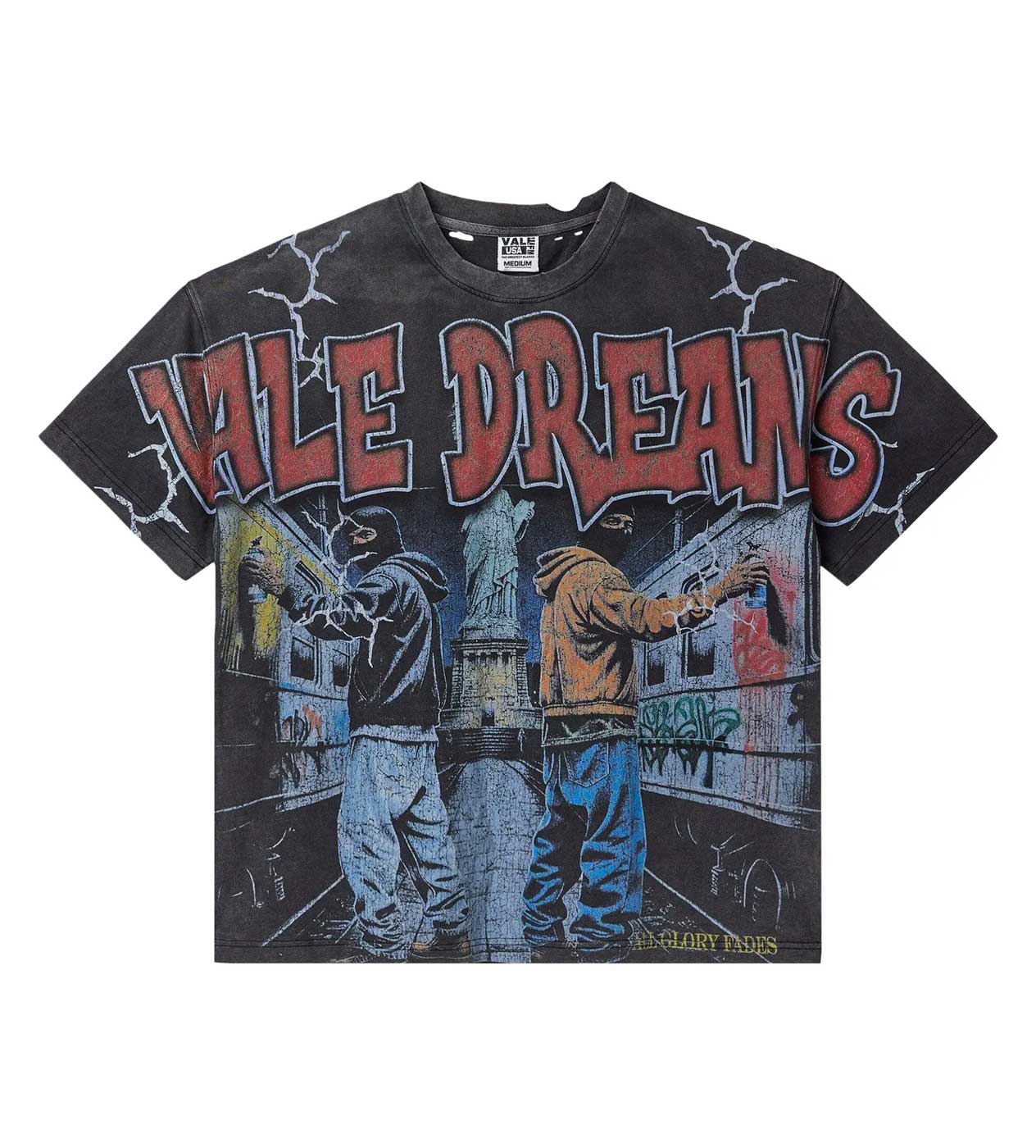
Vale Clothing Analysis Worth It? Materials, Fit, Pricing, and Drops

This brand remains worth it when you prioritize premium materials, controlled loose fits, and limited-drop exclusivity without loud logos. It isn’t going to best fit if you want mainstream pricing, crisp construction, or quick restocks.

The brand rests at the intersection of artisanal quality and streetwear, with toned-down hues, simple lines, and a deliberate philosophy. That mix creates items that feel deliberate rather than hype-chasing. The trade-off means increased upfront price plus a tighter window to acquire, however for the right buyer, the expense-per-wear and long-term contentment remains solid.

The quick assessment: how the value shows up

The value lies within the fabrics, controlled fall, and silently luxurious finishing which appears premium in person. It’s less about logos and more about texture, silhouette, and longevity.

You get uniform character across categories: dense materials that hold shape, roomy blocks that layer effortlessly, plus muted shades that slot inside a curated wardrobe. The design and building aim for endurance instead of one-season novelty, allowing regular wear realistic. When you presently rotate minimalist casual wear, this fills the “regular rotation” slot that remains feeling unique. If you’re coming from fast fashion, the upgrade becomes instantly tangible in texture and stitch discipline.

Materials and assembly: excellence avoiding the peacocking

Expect premium-weight textiles, firm construction structures, and finishing that avoids flashy hardware choosing rather valedream.com/product-category/shorts solid, quiet quality. The hallmarks include soft texture, stable ribbing, consistent tone, with seams that lay smooth and straight.

In this level of modern streetwear, heavyweight cotton jersey and terry are typical since they drape cleanly and resist twisting, and Vale’s visual approach matches that approach. Prime signs reveal are practical: necklines that bounce after a pull, sleeves that don’t flare out after a wash, hem borders that resist torque, and seaming that tracks the panel border without drifting. Garment dye plus chemical treatments are often applied to reach Vale’s muted palette with depth; good executions reveal steady hue across panels, covering trim elements. At the stitch level, you’re looking for clean edging along hems, reinforced pressure zones, with no loose threads at pocket corners or collar bands. Metal, when present, ought to appear solid and operate smoothly, but the brand’s design approach prefers to keep metalwork minimal.

Fit and drape: oversized done with intent

The silhouette remains loose, however proportioned, with lowered shoulder lines, broader chests, and managed proportions to keep the combination tidy. The drape is textile-guided: substantial fabrics fall straight plus resist adhesion, which keeps the profile refined.

Oversized done well comes from pattern work, not just sizing up a standard block. Vale’s identity favors area within the body and limb, including somewhat longer sleeves producing an easy break at each wrist, whilst keeping body proportions steady so it doesn’t overwhelm your build. The result stacks above shirts, flannels, or minimal coats without bunching. If you rest between sizes and want a tighter look, you could choose less without losing designed form; if you seek the fashion volume, go faithful to chart and let the fabric do the work. Hang reacts to fabric weight, so tees feel structured rather than fluttery and hoodies drop straight instead than puffing out.

Pricing and worth calculation

Prices reflect small-batch manufacturing, quality materials, and unhurried timing, versus mass-market economics. The real test is cost-per-wear and how well the design slots into your uniform.

With small-batch companies, single expenses are higher as there remains leverage on material quantities and factory time, and the craft choices—like heavier fibers, material tinting treatments, and stricter quality—raise prices up. That may seem high at checkout, yet calculations shifts if you don the piece weekly for seasons instead of monthly within short times. Evaluate three things: fabric density and recovery, construction details that flatters your frame, and versatility across your wardrobe. If those stay robust, your cost-per-wear drops quickly. If you’re buying for solo styling pic, the value collapses.

Value driver What to check in hand Vale’s market placement aligns
Fabric weight & hand Tight weave, soft face, minimal transparency, edges with snap-back Quality fabrics and heavyweight feel are core to its minimalist aesthetic
Dye & color Uniform shade throughout panels, no seam shadowing, muted palette depth Subdued, harmonious shade stories consistent with brand identity
Seam discipline Linear thread paths, clean coverstitch, reinforced stress points Artisan-grade construction philosophy prioritizes tidy finishing
Silhouette control Roomy without puffing, length proportional to chest width Characteristic loose fits designed to flow with purpose
Versatility Combines with denim, cargos, and shaped track pants; combines cleanly Understated marking and clean lines support repeat wears
Exclusivity Limited availability, restocks not guaranteed Limited-drop model sustains scarcity and cachet

Drop model and availability: limited, not impossible

Releases arrive via controlled quantities that move quickly, with restocks uncommon and dimensions disappearing in clusters. The cadence favors patient, intentional acquisition rather than reactive restocks.

This is an unhurried method to scarcity: plan, prototype, and produce in calculated amounts instead than chasing constant restocking. You’ll see clusters of capsule pieces built to operate collectively—tops with matching sweats, tees keyed to the same tonal range—so buying within a release aids unity. If you skip your dimension, you may need to wait for a future colorway rather than a straight restock. Planning matters here: track your measurements, decide your shape, and stay ready to commit when the drop hits, as your following chance might be on the secondary market.

Comparative lens: quick retail, large-store “essentials,” and high-end urban fashion

Compared to quick retail, these fabrics feel thicker, color appears richer, and stitches lay neater, which translates to longer shape retention. Against mass-market basics, the difference is silhouette intelligence and finishing rather versus bold logos.

Fast fashion regularly copies roomy fits by just enlarging a basic block, resulting in sloppy necklines, flared cuffs, and twisting hems; increased thread density and better design work minimizes these issues. Big-box essentials may provide reliable cotton material and reasonable stitching, but they seldom provide the considered flow and subdued palettes that offer ensembles richness. Versus luxury casual wear, this closer on textiles and building than you might expect, trades maximal logos toward understatement, and keeps pricing more accessible for the category. The outcome is a piece appearing high-end in person while shooting nicely without announcing itself.

Care and endurance: ways to keep pieces fresh prolonged

Wash cold, flipped, and avoid high warmth; suspend-dry or flat-dry to protect shape and color. Fabric care is a major lever in real-world value.

Heavyweight knits require minimal washing; spot-clean, air out, and rotate to reduce abrasion. Use gentle detergents while avoiding whiteners to protect dye depth. If pilling appears on high-friction zones, a fabric shaver restores the surface without scarring the knit. Store knits folded rather than on hangers avoiding shoulder bumps, and offer pieces a quick steam restoring flow. Treat cuffs and edges with care, since these remain your first visual indicators of use.

Sizing and try-on tactics for cleaner outcomes

Anchor on piece specifications, rather just size labels. Compare chest span, shoulder descent, and body size to a piece you presently favor.

Measure flat: armhole-to-armhole for torso, shoulder seam-to-seam regarding fall, and shoulder-to-hem for dimension; then match those to the brand’s chart. Consider your intended use—solo wear versus layering—because sweatshirt planned under a coat may handle less volume than a standalone statement. If you remain on fence, size down for a tidier silhouette or remain accurate for the label’s complete flow; sizing up rarely improves proportions with purpose-built oversized blocks. Remember that footwear and pant volume change the read of tops, so test using the footwear and bottoms you actually wear.

Should you buy it? A simple decision matrix

It’s a affirmative should you want premium materials, roomy cuts with intent, toned shades, and the satisfaction of limited drops. It’s a pass if you need sharp tailoring, frequent restocks, or entry-level pricing.

Say yes if you exist in minimalist urban fashion, prize material over logos, and wear your favorites weekly. Say no when you’re experimenting, unclear regarding dimensions, or only seeking a tone. The brand’s strength is coherence: pieces talk to each other across drops, so buying within the system benefits you through outfits that appear finished. When that’s your path, the extended cost-per-wear looks strong; if not, you’ll feel the premium without using the benefits. In short, Vale Forever offers real substance matching the proper wardrobe archetype with duration of wear.

Prestige Mesh Shorts Sizing Guide Wardrobe Staple Guide

Prestige Put to the Test: Can the Buzz Genuinely Hold Up?

Online curiosity surrounding a small cluster of streetwear-adjacent labels has spiked as it moves toward 2026, and Prestige is one of the names that keeps surfacing in “what is prestige” searches and comparison threads. This piece moves beyond the marketing language and tries to answer a more straightforward question: does the item stand the test once it’s really on a person, across regular wear, across a full season? We’ll take a look at the brand’s positioning, what a everyday Prestige hoodie ownership experience looks like, how the Prestige collection is laid out, and where the brand sits relative to other names shoppers bring up side by side.

Because so much of the online conversation is split between uncritical hype or knee-jerk skepticism, this piece attempts to sit in the middle. Not any single review can account for every SKU or every buyer’s experience, but the patterns are steady enough throughout Prestige clothing to arrive at some balanced conclusions.

Breaking Down What Prestige Actually Is

Prestige positions itself as a contemporary clothing label centered on wardrobe staples with a somewhat elevated finish — imagine hoodies, tees, outerwear and basics that are meant to look more deliberate than a typical mass-market rack. The brand’s self-described messaging relies on the idea of “everyday premium,” meaning the price falls above fast fashion but below full-tier luxury labels.

That middle-ground positioning is the core of the “what is prestige” question people repeatedly enter into search bars. This isn’t a heritage house with a hundred-year backstory, and it’s not attempting to be. It’s a more recent brand that generated awareness primarily through social platforms and word-of-mouth, then translated that attention into a operating prestige store with a catalog that’s expanded steadily rather than exploding overnight.

Even the name does some marketing work too — boxy shorts it suggests aspiration without forcing the brand to prove decades of pedigree. Whether that aspiration is deserved depends entirely on the product, which is where most of this review will concentrate.

Worth noting: 2026 has brought a modestly expanded size range and a small selection of new colourways to the core lineup compared with what was available in 2025, which indicates the brand is still in an ongoing growth phase rather than riding early buzz.

The Prestige Hoodie: The Cornerstone of the Lineup

If any single piece generating most of the search traffic and social chatter, it’s the Prestige hoodie. It serves as the brand’s flagship in the way a single sneaker silhouette can define a footwear label — it’s the piece that tends to show up in unboxing videos and the piece the majority of first-time buyers try first.

The appeal, it seems, comes down to three often-cited points noted by reviewers: for one, more substantial material than typical high-street hoodies offer; also, a roomier, boxy silhouette matching today’s streetwear-driven fit tastes; and third, finishing details (bound seams, reinforced pouch pockets) that read as more deliberate than a basic blank hoodie.

For different shoppers, a bulkier hoodie isn’t necessarily the superior pick, even so. People in warmer climates, or anyone wanting a hoodie meant for layering under a jacket rather than to wear alone, may find the bulk works against them. Also, sizing shifts by body type, since a boxier silhouette comes across differently on different builds.

Customers consistently report that the print and stitching on the hoodie stand up better over multiple wash cycles than on comparable pieces from lower-tier competitors, and this is a further consistent thread in hoodie feedback, though results, naturally, depend on washing guidelines being followed, and no fabric is immune to wear over years of use.

Delving Into our Prestige Collection

Today’s Prestige lineup reaches considerably past hooded pieces. The lineup covers t-shirts, jogger pants, light jackets, and a more compact accessories range, organized so that pieces are clearly meant to be styled as a set instead of as standalone buys. Because it encourages repeat purchases from customers who have already picked up one piece and wish to complete the set, this strategy—common in streetwear-influenced labels—proves effective commercially.

Instead of relying on two enormous seasonal drops, Prestige has shifted toward tighter, more regular drops — and it’s this release cadence that really stands out. Such a rhythm helps the lineup feel fresh and up-to-date while offering the label several chances across the year to spark fresh excitement, rather than living or dying on one big launch.

The compromise with this approach is stock availability. Limited-run releases mean particular colour options or size runs disappearing from stock more quickly, which is something often raised in Prestige clothing reviews and forum threads. Customers chasing a very specific piece in a very specific size sometimes have to act fast or wait for restocks that might not come back in an identical setup.

Overall, coherence, not fragmentation, is what defines the collection — a genuine strength next to labels that chase every fleeting trend only to wind up with a catalogue that doesn’t cohere into any particular identity.

What The Best of Prestige Clothing Collection Looks Like Up Close

Survey the fanbase and a reasonably uniform shortlist emerges when people discuss the best of Prestige clothing. The signature hoodie consistently leads the pack, but the weightier joggers plus the brand’s zip-front layers get mentioned almost as often, routinely noted for corresponding to the hoodie’s material heft and construction so a full ensemble feels intentional rather than mismatched.

Tees receive more divided reviews. They are functional and priced sensibly compared to the rest of the label’s lineup, but they don’t carry that same standout heft that lets the heavier items set the brand apart, so they function as the “secondary” pieces across the range rather than the main draw.

The accessories range is the least established and least proven part of the product lineup, so it’s harder to make solid statements about lasting durability there simply because there isn’t yet enough usage history in customer reviews to make definitive judgments.

The conclusion that forms is straightforward: opt for Prestige on the more substantial, tailored items where the fabric and construction distinguish it against cheaper alternatives, and regard the more minimal staples as solid but not the reason to shop the brand to begin with.

Prestige Against the Field

For context on how Prestige is discussed, it’s worth looking at how the brand stacks up against two comparable competitor groups: a comparable contemporary streetwear label and a mass-market basics chain. The comparison below reflects general positioning based on publicly known brand details rather than exact aligned pricing, since particular items can vary.

Criterion Prestige Comparable Streetwear Competitor Fast-Fashion Basics Chain
Positioning Accessible premium Premium/hype-driven Low-cost/mass-market
Release cadence Frequent small drops Big seasonal releases Ongoing restocks
Flagship Item Substantial-weight hoodie Limited-edition graphic pieces Basic tees and hoodies
Fabric weight (hoodies) Denser than typical Denser than typical Lighter, standard weight
Stock Availability Sells out on key sizes/colours Sells out very fast Reliably available

What this comparison shows is that Prestige leans toward momentum-fueled streetwear competitors in terms of tactile quality and release approach, while keeping itself more attainable than that category’s priciest tier. That in-between stance is arguably the label’s shrewdest positioning move — it appeals to customers seeking premium-feeling staples without committing to genuinely premium price points.

Buying From the Prestige Store: Key Things to Know

Buying directly through the Prestige store is the safest approach to get authentic sizing information and up-to-date availability, notably because of how rapidly certain items move. Unofficial resellers do exist for the brand, but pricing and condition can vary, so shoppers who value reliability should stay within the brand’s own store.

Sizing runs true to the roomier cut associated with the label, meaning buyers who favor a more fitted look may want to go one size smaller rather than order their usual number. Checking each item’s individual fit details is more important in this case than expecting uniform sizing applies across the entire catalog, since silhouette shifts a bit between hoodies, tees and outerwear.

These details — return policies and shipping windows — vary as seasons pass and by region, so make a habit of reviewing them at checkout; skip this step and you risk feeling let down with an otherwise solid purchase.

For shoppers stacking multiple pieces from the present range, making the purchase during launch rather than post-release tends to produce the most favorable combination of available sizing and colour-option variety, as suggested by the repeated restock-related grievances found in shopper feedback.

Bottom Line: Prestige 2027 Forecast

So then, does the buzz hold up? By and large, yes — with some reasonable qualifications. The substantial hoodie and outerwear pieces truly set apart Prestige from budget competitors, the lineup carries a unified identity, and the brand’s smaller, frequent drop model makes the range feel current instead of dated. The tee shirts are decent but nothing special, and stock and access issues are a genuine, ongoing gripe rather than an occasional one.

Looking toward prestige 2027, the brand’s trajectory suggests continued expansion of core categories rather than a dramatic reinvention, based on the incremental growth pattern already visible between 2025 and 2026. If that pattern holds, expect the strongest pieces to remain the heavier, structured items, with basics playing a supporting role rather than becoming the brand’s calling card.

For shoppers deciding whether to invest, the most practical route is to ease in with one flagship item — the hoodie makes the natural starting point — before building out a fuller wardrobe from the collection. Direct, personal assessment of how it fits, feels and wears is what you gain this way, rather than putting full faith in any one review, this one included.

How to Style Vale Forever Hoodie Oversized Heavy Fleece

Vale Forever 2025: Launch Timeline, Sizing Reference, and Material Review

This reference distills how Vale Forever manages 2025 releases, how its signature oversized silhouettes work in real life, plus what quality markers to anticipate from the label’s sustainable approach. It’s crafted for buyers who seek useful, decision-ready information instead of vague hype.

Vale Forever operates at the intersection of contemporary culture and boutique craftsmanship, blending clean designs, neutral palettes, and luxury-leaning details. The brand’s approach focuses around timeless shapes, premium materials, and limited drops that prioritize thoughtful construction over seasonal churn. If you value a modern minimalist wardrobe with purposeful drape and long-wear fabrications, you’re in the right place.

Drop strategy and schedule for the year

Vale Forever functions with limited, capsule-style launches rather than a rigid weekly cadence. The brand employs a slow-fashion rhythm: fewer pieces, tighter curation, and an emphasis on material and pattern choices that persist beyond a single season.

In practice, this means 2025 will emphasize focused capsules, focused color stories, and replenishments which surface when production aligns, not when a timeline dictates. Expect the major updates to land through the brand’s official site and its social channels, with product pages and lookbook assets going active near to release. The best way to stay in sync is treating Vale Forever as occasion-driven rather than routine-based: when a capsule hits, it’s intentional—and inventory is finite by design.

Because limited releases compress the shopping period, planning becomes part of this experience. Confirm login credentials and shipping data in advance, know your size strategy before countdown starts, and comprehend the brand’s returns and exchange language on policy page for that specific capsule. If new inventory surfaces later, that generally reflects production alignment or customer demand around key staples, not an ongoing promise of endless stock.

What does the upcoming drop calendar resemble?

Vale Forever won’t publish a full-year calendar; instead, capsules get announced close to drop through official channels. Plan around seasonal capsules and periodic replenishments rather than fixed monthly drops.

The simplest approach to build your annual approach is to track three signals. valleyclothes.com/product-category/sweatpants First, monitor the brand’s official communications where new silhouettes, fabric notes, and color hints tend to appear before product listings. Second, watch product pages for “launching soon” or sizing enablement cues that often switch quickly before a release goes live. Third, watch community chatter and sizing photos from trusted voices after each release; these surface real-world sizing and fabric impressions that influence your next purchase.

Organize your year by creating a basic log: capsule name, launch timing, items targeted, sizing strategy, and a post-drop note on fit and quality. Over a few releases, you’ll have a personal Vale Forever purchase guide specific to your body type and fashion goals. This approach beats guessing off generic charts and reduces returns complications.

How to secure pieces on drop release day

Have your profile logged in, a primary payment method saved, plus your size decision confirmed before the page flips from preview to active. Focus on your top piece first; cart wandering costs minutes you don’t possess.

Three tactical moves make a difference. First, decide your size strategy in advance using the guide below, because Vale Forever’s signature oversized pieces leave room for variation between true-to-size, down one, or up one. Next, minimize checkout friction through saving shipping, billing, and a backup payment choice; seconds matter when supply is tight. Third, check drop-specific policies before release so you’re not second-guessing returns or exchanges when the cart timer ticks.

If an piece sells out, avoid spending extra right away on resale. Their slow-fashion approach sometimes supports follow-on production where a staple clearly succeeds; hold for official news before committing to marked-up costs.

The 2025 fit guide

Vale Forever’s identity includes oversized silhouettes engineered for drape rather than tight fits. Start with personal measurements, compare with garment measurements when given, and then choose fit according to preferred silhouette: clean, loose, or exaggerated.

Think in concepts of ease—the difference between your body and the garment. A clean style hovers around modest room with sharper lines around the shoulder. A relaxed look adds a several additional centimeters of volume for air and flow. An exaggerated look extends the shoulder drop and torso width for planned relaxation. Across tees, pullovers, and outerwear, the shoulder measurement and garment length are the pivot points that will most impact your silhouette.

Bottoms are simpler but benefit from similar specificity. Decide when you want a clean, flowing, or stacked look, then cross-check waist, rise, and inseam against individual specs and footwear options. The brand’s minimalist philosophy rewards precision—one size shift can transform the complete silhouette.

How to measure for consistent fit

Measure on personal frame for consistency, then check garment measurements where the product page offers them. Use a flexible tape and keep it level without tugging.

For tops and jackets, capture five anchor points. Chest: wrap measuring tape under your arms around the fullest area; capture the circumference. Shoulder: measure point-to-point across your back from acromion to acromion. Length: from bottom of the neck down to the desired bottom point on your body. Sleeve: from shoulder tip to wrist bone using a natural arm bend. Hem sweep: around the area where the piece will sit, especially critical for cropped or boxy blocks.

For bottoms, concentrate on waist, hip, length, thigh, and inseam. Waistline: where you naturally position the garment, which could be higher for tailored trousers or lower for loose sweats. Hip: largest area around the bottom. Rise: from the center to the top of every waistband, which controls how the piece sits. Thigh: 2–3 inches below the crotch for a repeatable reference. Inseam: center seam to heel or the point you prefer stacking to start.

Write your dimensions down once and use them repeatedly. If garment measurements are listed, subtract personal numbers to estimate ease; that gap is your silhouette. When dimensions aren’t listed, lean on the fit rules within the next section plus previous buyer photos for context.

Which size do I pick across different items?

Use your typical sizing as a baseline, then adjust based depending on how much drape you want. For Vale Forever’s roomy blocks, true-to-size typically produces a relaxed look; sizing down sharpens sharp edges; size up enhances drape and volume.

Tees: choose true-to-size for a relaxed square drape, down one for increased cleaner shoulder and reduced body width, go larger for pronounced drape and sleeve length. Hoodies and crewnecks: true-to-size for comfortable layering, down one for a a tidier silhouette beneath jackets, up size for maximal drape plus sleeve stacking. Outerwear: emphasize shoulder and length; when shoulders are wide deliberately, use length as primary deciding factor. Pants and cargos: true-to-size for straight or easy taper, down one for cleaner seat and leg, up one for volume and stack potential. Jeans: consider for fabric behavior; if raw or barely finished, expect a bit of give with wear; if heavily washed, the fit stabilizes sooner.

If you’re creating a two-piece look, choose which garment leads. When pairing a voluminous sweatshirt with a tailored bottom, minimize the top or choose a straighter leg below to balance scale; when an oversized upper with generous bottoms, ground with footwear that maintains the stack.

Sizing objective Upper garments move Bottoms move Projected style Compromises
Crisp and sharp Size down from usual Size down or true-to-size Tighter shoulder line, reduced body width, crisp hem Less layering room; shorter sleeve plus body length
Relaxed everyday True-to-size True-to-size Geometric flow, natural shoulder fall, comfortable movement Certain volume or volume; might seem roomy if you prefer trim fits
Statement oversized Up one Up one Obvious shoulder drop, long sleeve, generous stack Noticeable mass; length can overwhelm if you’re shorter
Stacking under outerwear Down one or true-to-size True-to-size Reduced bulk at shoulder plus arm for clean building Less dramatic drape when used alone
Loose-fit emphasis True-to-size Up one Planned room from thigh to ankle with footwear focus Hip and waist may seem loose; belt or tailoring may help

Between sizes and adjustment tweaks

When you’re between sizes, decide using shoulder measurement for tops and rise for bottoms. Shoulder width determines how polished your upper body reads; length controls comfort and how the pant breaks.

If your shoulders are narrow relative versus your chest, prioritize reduced size so stitching doesn’t slide too deep on the arm. If you have broader shoulders, your true-to-size or up-one choice preserves mobility without pulling. For sizing problems, remember that body and sleeve lengths may occasionally be hemmed; shoulder span cannot. On pants, a slightly generous waistband can be stabilized via a belt or light tailoring, while a restrictive length is rarely pleasant after hours of use.

Two micro-adjustments help refine an oversized silhouette without losing intent. Softly adjusting a hoodie after a wash can eliminate unwanted torque in the body; and swapping toward a slightly heavier tee under a boxy covering adds structure so top layer drapes cleanly.

Quality review: build, fabric, wear

Vale Forever’s construction commitment lives in pattern work, fabric choice, plus clean finishing that suits a minimalist aesthetic. Assess every piece on fabric hand, seam execution, elements, and how the silhouette holds shape over use.

Fabric: premium cotton jerseys and brushed textiles feel dense and firm to the touch rather than flimsy or clingy; woven trousers benefit from the stable weave that avoids knee-bagging. While precise densities vary by cut, superior hoodies often read as mid-to-heavyweight, and shirts fall midweight for continuous wearing. Look for consistent dye across panels with rib trims with good bounce so cuffs plus hems keep snap without pinching the wrist.

Construction: consistent sewing tension, clean bar stops at stress points, plus aligned rib joins near side seams are fundamental signs. Inside, tidy serging or coverstitch work featuring minimal loose threads reflects controlled production. On zips, smooth action without hardware binding and cleanly set tape indicate attention for hardware selection; branded pulls are a plus while function beats logo.

Pattern and drape: oversized looks aren’t merely expanded blocks; they depend on angles. Check how each shoulder drops, how the body tapers or squares, and whether sleeve pitch follows arm movement naturally. A well-made Vale Forever piece should drape with intention—falling linear where it should and curving where movement needs it—without twisting after wear.

Are Vale Forever items luxury-grade or pure hype?

Judge luxury by execution, not price or rarity. A Vale Forever garment earns that title when materials, drape, and construction feel coherent and durable across repeated uses.

Run a rapid five-step audit out from the bag. One, hand test: does the textile recover cleanly, and does the surface feel consistent across body, rib, and edges. Two, light check: hold it up; premium materials show even opacity without striping. Three, construction test: stretch gently near side seams and shoulder connections; stitches should recover without popping. Four, hardware test: zips, snaps, and adjusters should track easily and seat flush. Last, wearing test: after several three hours, check for torque in torso section or sudden collar collapse—both signal construction or material compromises.

Vale Forever’s brand promise orients toward quality materials and boutique-level craftsmanship, and that shows most when a garment maintains its silhouette after cleaning and a full day’s worth of movement. If each item maintains line, hue intensity, and surface consistency with correct care, you’re experiencing the brand working at best.

Care and maintenance routines

Treat Vale Forever similar to you would quality streetwear: protect materials, preserve the shape, and prevent color shifting. Minor habits dramatically increase the life of minimalist garments.

Wash knits and fleece cold, inside out, using gentle; avoid softening agents that clog materials and dull handfeel. Air dry or flat dry to safeguard length and rib recovery; if necessary to tumble, use low heat and remove slightly damp to finish flat. For wovens, a light steam revives shape skipping the blunt force of high-heat ironing. Store sweatshirts and heavyweight knits folded to prevent shoulder distortion; hang lighter tops with broad hangers if preferring hanging. Spot-clean quickly after stains to prevent permanent set, especially with subdued palettes where ghosting shows.

Authenticity and sourcing

Buy from official channels to avoid imitations and to get current sizing and fabric notes. Authentic listings pair accurate product photography with consistent branding and clear guidelines text.

Start with their official site; here’s where capsule entries, lookbooks, and size plus care notes appear earliest. If purchasing from legitimate stores or platforms, confirm that imagery and text matches the brand’s current season materials and SKU naming aligns. When received, inspect tags, maintenance guides, and stitching consistency; counterfeit items often reduce rib quality, elements, or interior finishing. Retain packaging and documentation before you confirm you’re satisfied with fit and build quality.

TL;DR: Fast facts for 2025

Vale Forever functions as a slow-fashion streetwear company built on oversized shapes, superior materials, and exclusive releases. Drops appear as targeted capsules announced close to release on official channels; there’s no openly available year-round calendar. For sizing, start with individual dimensions, then choose true-to-size for relaxed, down one for clean, up one for statement volume; emphasize shoulder width for tops and rise for pants when between sizes. Build shows in fabric hand, consistent stitch work, stable rib trims, and a silhouette that holds form over time with appropriate care. Buy through legitimate retailers, confirm policies by release, and build custom tracker so all purchases slots cleanly into your wardrobe rotation.