
Building Climate Resilience: Key Insights from Our Team Coordinator’s Radio Interview

Climate change is no longer a distant or abstract issue; it is already shaping how communities live, farm, work, and stay healthy. This was the focus of the recent episode of our radio programme, Pure-Wise Half Hour, an interview featuring Akintunde Akinmolayan, Team Coordinator at CAIS, where he spoke extensively on building resilience and adapting to climate impacts, particularly from an African and Nigerian perspective. The radio programme was sponsored by the United Nations Development Programme Global Environment Facility Small Grants Programme (UNDP GEF-SGP).

What Does Building Climate Resilience Mean?

According to Akintunde, resilience is fundamentally about responding to threats to human wellbeing. In the context of climate change, it means strengthening people, systems, and communities so that climate-related shocks—such as extreme heat, irregular rainfall, flooding, and air pollution—do not destroy lives or livelihoods.

He emphasised a critical global injustice:
Africa contributes less than 4% of global greenhouse gas emissions, with Nigeria contributing less than 1%, yet the continent bears a disproportionate share of climate impacts. From food insecurity to health challenges linked to air pollution, climate change is already affecting everyday life across African communities.

“Even though we did not cause most of this problem,” he noted, “we cannot afford to sit back and keep lamenting. We must protect ourselves.”

Adaptation: Living With Change Without Losing Dignity

A major pillar of resilience, Akintunde explained, is adaptation, the ability to adjust how we live and work so that changing climate conditions do not strip people of their dignity or means of survival.

Drawing lessons from nature, he highlighted how living organisms adapt to harsh environments, and stressed that human societies must do the same. Changing weather patterns, such as disappearing harmattan seasons and rainfall occurring at unusual times, are clear signals that old assumptions no longer hold.

Adaptation, therefore, is not optional; it is necessary for survival.

Adaptation at the Individual Level

At the individual level, Akintunde stressed the importance of daily choices. Emissions come from transportation, buildings, agriculture, bush burning, and power generation. Small actions, such as sharing transport instead of using multiple vehicles, can significantly reduce emissions.

He also highlighted the link between economic resilience and climate resilience, especially for young people. When people lack stable livelihoods, climate impacts hit harder. Being economically active strengthens the ability to cope with climate stress.

Another key message was environmental responsibility. He encouraged individuals to become “friends of nature”, particularly by protecting and planting trees. Trees play a vital role in absorbing carbon, cooling communities, and improving air quality.

Community-Based Adaptation and Economic Opportunities

At the community level, Akintunde spoke about the importance of community forests. Beyond environmental benefits, community forests now present real economic opportunities through the emerging carbon market.

Under carbon market arrangements, communities that preserve forests can receive financial compensation because those forests absorb carbon emissions generated elsewhere. Nigeria is already developing frameworks for carbon market participation, creating new pathways for communities to earn income while protecting their environment.

This approach, he noted, builds resilience by linking environmental protection directly to livelihoods.

The Role of Businesses and Indigenous Knowledge

For businesses and industries, Akintunde called for a rethink of development models. He cautioned against the assumption that foreign solutions are always best and advocated for combining indigenous knowledge with modern innovation.

“Our forefathers were already adapting to climate conditions long before we gave it a name,” he explained. Preserving indigenous methods while thoughtfully modernising them can lead to solutions that are more sustainable, culturally appropriate, and resilient.

A Call to Action

The interview concluded with a clear message: climate resilience is not only about policies and technology; it is also about choices, responsibility, and collective action. From individuals and communities to businesses and governments, everyone has a role to play in ensuring that climate change does not undermine lives, livelihoods, and future generations.

CAIS Establishes Green Guardian Environmental Clubs in Eight Ondo Schools

Between 15th and 21st October 2025, we embarked on a transformative mission across Ondo City, establishing Green Guardian Environmental Clubs in eight secondary schools under the PURE-WISE Project (Plantain Residue as an Eco-friendly Alternative for Single-use Plastic Packaging), supported by the United Nations Development Programme Global Environment Facility Small Grants Programme (UNDP GEF-SGP).

The initiative marks one of the major steps we are taking in fostering environmental awareness, student leadership, and sustainable action within Nigerian schools, starting from Ondo.

Cultivating Environmental Stewardship in Schools

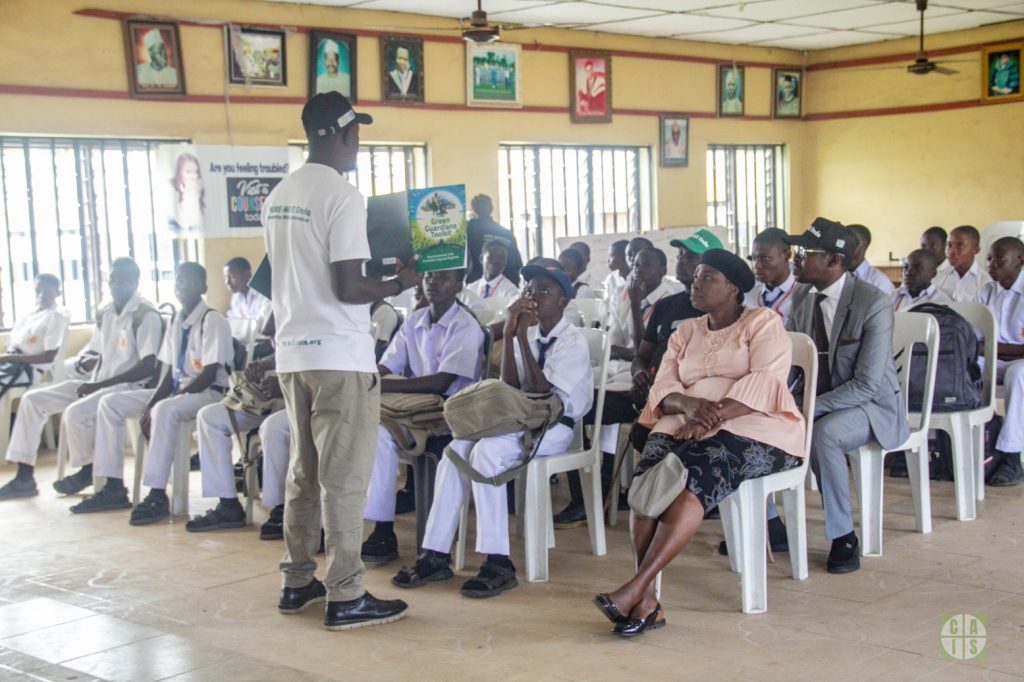
The weeklong activity brought together hundreds of enthusiastic students and teachers eager to learn how they could play a role in protecting their environment. Each visit began with a courtesy call to the school management, where the CAIS team shared the vision behind the PURE-WISE Project — to promote eco-friendly innovations, waste reduction, and youth-led climate action through education.

School principals expressed their excitement, noting that such initiatives align perfectly with the new drive to incorporate environmental learning into extracurricular activities.

The Green Guardians Toolkit: Turning Awareness into Action

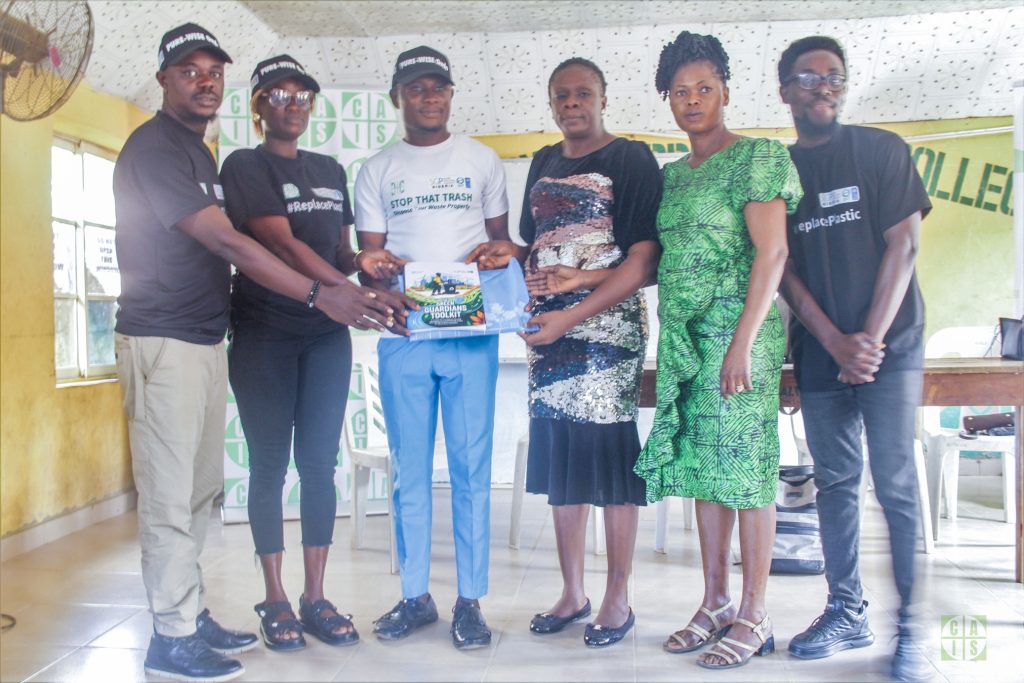
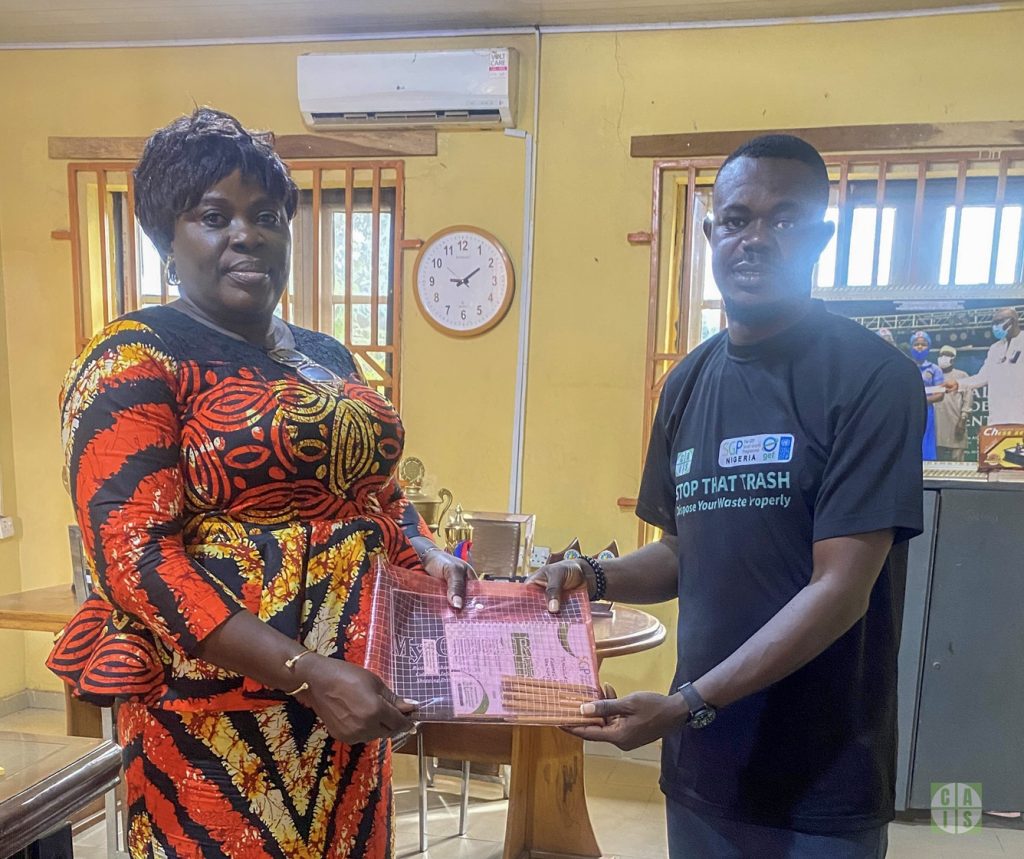
At the heart of each school’s inauguration was the introduction of the Green Guardians Toolkit: A Guide for Establishing and Managing Environmental Clubs in Secondary Schools — our newly published handbook, supported by UNDP GEF-SGP.

The toolkit simplifies environmental education into 24 short, hands-on modules on topics such as waste management, recycling, tree planting, climate adaptation, and sustainable living. Each module takes just 20 minutes to deliver, making it easy for teachers to integrate environmental learning into weekly club meetings.

Each school received copies of the toolkit, along with starter materials such as logbooks, club notepads, and stationery to support documentation and activity planning. To us, the toolkit is not just a book; it’s a roadmap for empowering young people to think, act, and innovate for the betterment of the planet. 

Empowering Teachers as Mentors

During each visit, the CAIS team met with the school’s management and selected two teachers who would serve as patrons or matrons for the new Environmental Club. These teachers were formally introduced to the students as their mentors who will be responsible for coordinating activities, guiding projects, and ensuring the sustainability of the clubs.

The teachers also received orientation on how to use the Green Guardians Toolkit to lead activities and report progress through a simple monitoring logbook.

537 Students Step Forward as Green Guardians

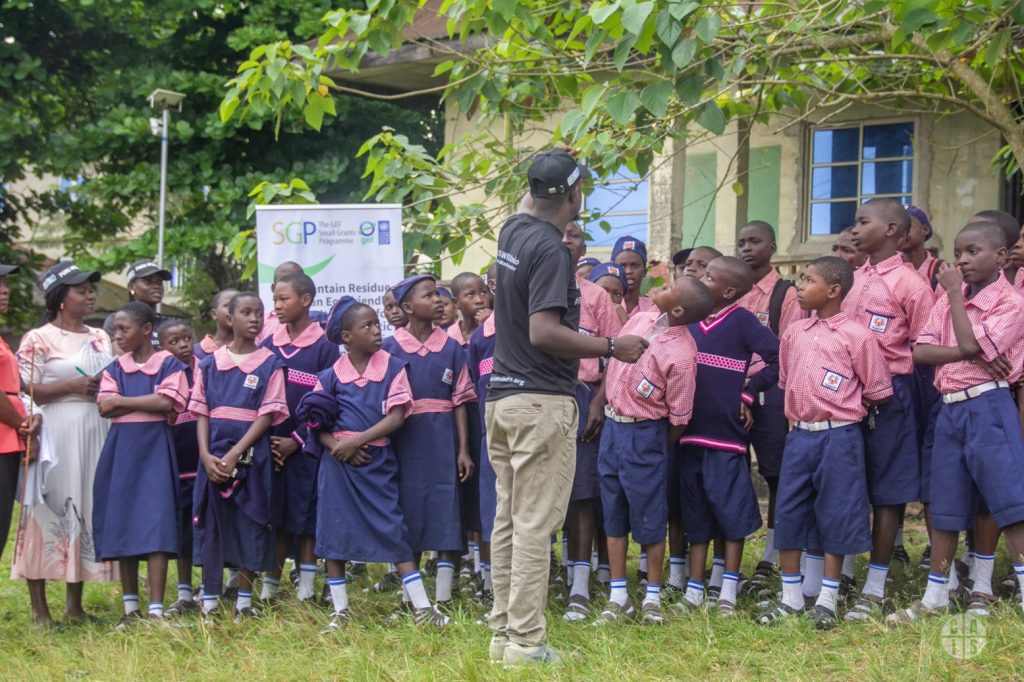
The highlight of each visit was the interactive session with students. Facilitators explained what it means to be a Green Guardian, someone who leads by example in protecting the environment through small but meaningful actions like recycling, waste segregation, and tree planting.

The response was inspiring. Across the eight schools visited, a total of 537 students expressed their interest in joining the newly formed clubs, marking the beginning of a dynamic network of young environmental champions in Ondo State.

Students were visibly excited as they discussed ideas for their first club projects. Many proposed starting waste collection drives, school gardens, and awareness campaigns on reducing single-use plastics.

Eight Schools, One Movement

By the end of the week, eight schools had officially inaugurated their Green Guardian Environmental Clubs. These include:

  1. St. Helen’s Girls Grammar School, Ondo 
  2. St. James’s Catholic School, Ondo 
  3. St. Ambrose’s Catholic School, Ondo 
  4. Calvary Group of Schools, Ondo
  5. Jubilee Community Grammar School, Ondo 
  6. B-Great Horizon School, Ondo 
  7. Ondo Boys’ High School, Ondo
  8. All Saints Grammar School, Ondo 

Together, these schools now represent the first wave of Green Guardian Schools in Ondo State, forming the foundation for a growing network of student-led environmental action.

Each club will hold regular meetings, guided by the toolkit, and document their progress through activity logs and photographs for submission to CAIS.

Looking Ahead

Following the successful establishment and teacher training, CAIS will continue to support the clubs through follow-up mentoring, inter-school clean-up drives, and innovation challenges. At CAIS, we will continue to advance climate education, environmental innovation, and youth-led sustainability action across Nigeria. Through projects like PURE-WISE, we are empowering schools, communities, and local leaders to adopt eco-friendly practices that protect people and the planet.

A New Chapter in Community-Led Climate Resilience

We are thrilled to announce the official commencement of our new project focused on strengthening community-driven climate resilience in Ondo State. This marks a significant milestone for our organisation, and it is made possible through the generous support of our newest donor, the UNDP Global Environment Facility – Small Grants Programme (GEF-SGP).

The GEF-SGP, implemented by the United Nations Development Programme in Nigeria, has joined hands with us to catalyse local innovation and sustainable solutions that tackle the climate crisis at the grassroots level, from the waste angle. Their contribution is not just financial, it’s a vote of confidence in our vision, our community, and our commitment to environmental justice.

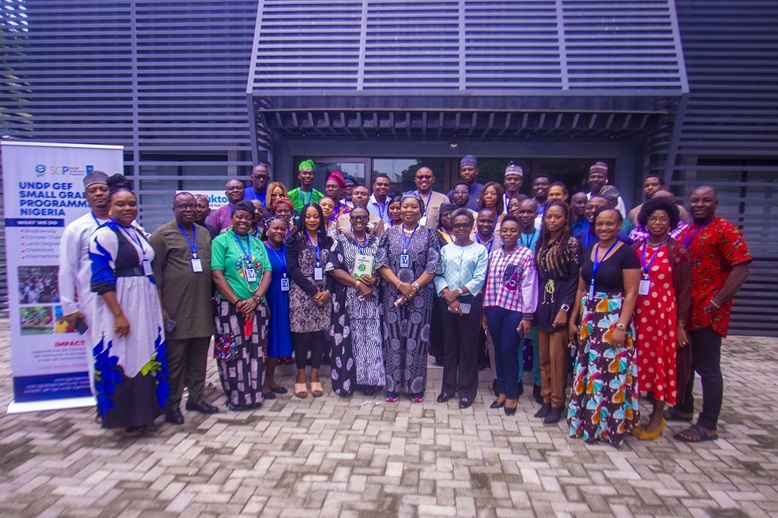
The project implementation began on a high note with our participation in the Grantees Inception Workshop held at the UNDP Nigeria Innovation Centre in Lagos. The event brought together grantees from across the country to align on shared goals, deepen understanding of the GEF-SGP framework, and network with fellow innovators driving local impact.

The workshop was both enlightening and energising. We left Lagos not only with practical insights and tools but also with renewed confidence in the power of community-led action to address climate and environmental challenges.

Therefore, over the coming months, we will be working directly with local communities in Ondo to implement a series of transformative activities, including:

  • Awareness creation on sustainable alternatives to plastic
  • Training in upcycling, recycling, and biodegradable product innovation
  • Establishing regenerative processing hubs and green cooperatives
  • Advocacy for inclusive, state-level waste management policies

Each step of the journey is rooted in partnership, inclusion, and the conviction that local solutions create lasting global change.

We look forward to sharing updates, success stories, and impact data as the project unfolds. To our partners, supporters, and communities, thank you for walking this path with us.

Let’s build resilience. Let’s build together.

GIS for Climate Change

On Tuesday, November 23, 2021, the event was held in the GIS Laboratory of the Department of Geography, Adeyemi College of Education, Ondo, Ondo State, Nigeria. The event’s goal was to show students from the Department of Geography real-life uses of GIS, particularly in climate change, and to demonstrate fundamental GIS tools to motivate future investigation. It was also planned to create a channel for networking and involvement around GIS within the campus community. The Climate Actors for Innovations and Sustainability organized the event, which was sponsored by Avatund Solutions and the Environmental Science Research Institute (ESRI).

The event was attended by 25 students and two faculty members from the Department of Geography at Adeyemi College of Education, as well as one facilitator from Avatund Solutions and one guest presenter from Ecologistics. The guest speaker delivered his presentation virtually.

The event program concluded with attendees expressing how they got useful insights into the application of GIS in climate change studies and delivering climate solutions while calling the program enlightening and effective, leaving them with a lasting impression. They requested that additional programs like this be held at their school and other schools. They were also given a participation certificate.