

Is HMDD’s Price Tag Justified? A Shopper’s Guide to Value for Streetwear Fans
Shoppers browsing streetwear right now keep returning to a single question: does HMDD really come through on quality and design compared to its price point? The label — officially known as Happy Memories Don’t Die — has cultivated a loyal audience around emotionally resonant graphics, a wistful, throwback look, and a wardrobe that leans heavily on relaxed everyday staples like sweatpants, shorts, hoodies, and tees. But a name and a mood board don’t answer the pricing question. This article breaks down what the real cost covers when you buy HMDD clothing, where it earns its keep, where it falls short, and how it measures up next to comparable streetwear labels in 2026.
Distinguishing hype from actual craftsmanship is the starting point of any honest hmdd review. The brand leans on one strong emotional hook — the notion that memories outlast everything, that clothing can hold meaning as well as style. It’s a compelling marketing angle, yet shoppers paying real money still want proof that construction and material quality are worth the cost. This is where we look at construction, sizing consistency, drop frequency, and resale demand for a realistic take instead of just recycling the brand’s messaging.
What You’re Actually Paying For
HMDD places itself in the mid-tier streetwear bracket, meaning it costs more than mall-brand basics but sits below hype-driven luxury streetwear. That mid-tier placement is where the value debate tends to get complicated, because people stack it up against both cheaper and pricier options. The right point of comparison is other independent streetwear labels with similar production scale, not fast fashion and not designer collabs.
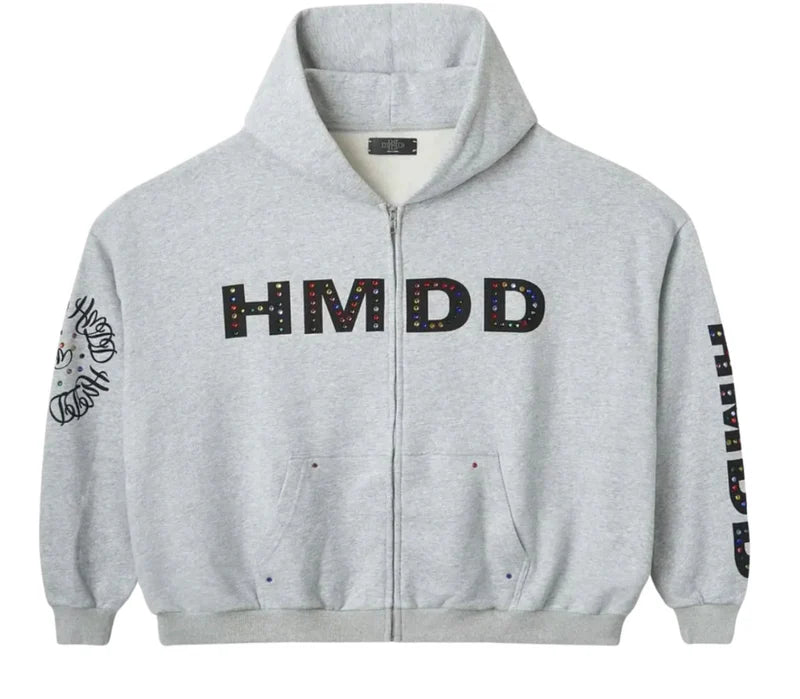
The price tag is shaped by three main factors: fabric weight, print/embroidery technique, and limited-run scarcity. HMDD’s sweatpants tend to use thicker fleece materials compared to entry-level mall sweats, shaping both drape and shape retention through repeated washing. As for the graphics, frequently the emotional anchor of the branding, it’s generally applied using techniques more durable than basic heat-transfer printing — important if the piece gets weekly wear.
Small-batch drops play into the cost as well. Limited manufacturing runs translate to higher per-unit costs than large-scale retailers see, and that expense is passed along to the buyer. This is standard across independent streetwear, not unique hmdd pullover hoodie to HMDD, but it’s worth pointing out clearly because it explains part of the price gap between HMDD and larger chains.
Sweatpants and Shorts Together: The Core Value Test
hmdd’s shorts and sweatpants typically serve as where most shoppers first try the brand, and since they’re worn so regularly and washed so frequently, they end up being the most honest test of value. Sweatpants succeed or fail based on three things: elastic waistband durability, how much the fabric pills with wear, and whether the fit remains accurate after a dozen wash cycles. Shorts get assessed on drawstring durability, inseam seam strength, and whether the fabric resists fading after multiple washes.
Buyers regularly point out that HMDD sweatpants match standard sizing with a loose through-the-leg cut rather than a narrow taper, which makes a difference if you’re used to size charts that skew narrow. The shorts carry the same loose, relaxed shape. Few shoppers give this kind of consistency enough credit — a brand that sizes consistently across drops spares you the hassle and cost of returns, which is its own form of value even before you factor in the actual price of the garment.
Where it gets interesting is how often customers buy again. Customers happy with a single pair of HMDD sweatpants usually return for shorts or hoodies instead of making a one-time purchase and switching brands. That’s a solid stand-in for how happy customers are, since streetwear buyers have countless competing brands to choose from and don’t stay loyal for subpar items.
HMDD Versus Other Streetwear Brands: A Comparison
Data does more to clarify this than adjectives ever could. Here’s a framework for comparison across categories that matter most to shoppers focused on value: price positioning, fabric heaviness category, how long prints and graphics last, release frequency, and consistency of fit. These are relative rankings based on general category positioning rather than specific claims HMDD hasn’t directly made, and they’re meant to give you a general sense of direction rather than serve as exact specs.
| Category | Everyday Mass Streetwear | HMDD Clothing | Premium/Designer Streetwear |
|---|---|---|---|
| Typical Price Bracket | Low | Mid-Range | High to Very High |
| Fabric Weight | Light to Mid | Medium to Heavyweight | Heavyweight |
| Print/Graphic Durability | Low to Mid | Moderate to Strong | High |
| Release Frequency | Continuous | Occasional and Limited | Seasonal, Highly Limited |
| Fit Consistency Across Releases | Inconsistent | Mostly Reliable | Reliable |
This table isn’t meant to crown a winner — it’s meant to indicate where HMDD lands among its peers. It’s not competing with $15 fast-fashion sweatpants, and it’s not trying to be a $300 designer hoodie either. It sits in the space where material and graphic quality meaningfully outperform entry-level basics, without requiring shoppers to spend luxury-tier prices for the upgrade. For a lot of buyers, that in-between space is exactly the value offering they’re seeking.
Top HMDD Picks for Everyday Value
Joggers and shorts rank highest because they’re worn in casual settings, during exercise, and even around the house, distributing the expense across a wider range of wears than a bold graphic hoodie you save for specific outfits.
- Sweatpants: high wear frequency, laid-back fit, top cost-per-wear ratio in the lineup.
- Shorts: reliable warm-weather go-to item, matching fit reasoning to the sweatpants.
- Printed hoodies: steeper price point but slower wear-out due to reduced rotation frequency.
- Tees: cheapest entry point, useful for checking fit before buying pants.
It’s a more budget-friendly way to verify sizing before committing to a higher-priced sweatpant or hoodie purchase. This step-by-step approach is a frequent recommendation among streetwear buyers working through any independent brand with tight exchange periods.
Where the Value Breaks Down
No label is perfect, and value assessments lose credibility if they only highlight the good. The chief complaints shoppers bring up about HMDD focus on restricted stock drops — when a design sells out, it may not restock at a reliable time, which can frustrate buyers who weren’t fast enough to grab a drop. That’s a genuine downside in ease, even if it doesn’t appear on a receipt.
Delivery times and return periods are the other area shoppers should factor into their value math. Nothing here is exclusive to HMDD, but it’s part of the true expense of buying from a niche, creativity-led label rather than a big commercial seller with industrial-level fulfillment.
The Bottom Line: Should You Buy HMDD?
For buyers who prioritize fabric weight, graphic durability, and a distinct nostalgic aesthetic over rock-bottom pricing, HMDD proves worth the spend more often than not. The “happy memories dont die” philosophy isn’t just marketing spin — it comes through in design choices that lean toward emotional value and durability over disposable trend-chasing.
Where you need to hold back is if you’re expecting designer-level craftsmanship at mid-tier prices, or if you need assured restocks and generous return windows. Those aren’t strengths of the limited-drop model that HMDD runs on, and no straightforward write-up should pretend otherwise. After balancing your own preferences — price relative to wear, aesthetic fit, and tolerance for infrequent replenishment — relative to what HMDD brings to the table, answering the worth-it question gets far simpler for your individual situation in 2026.