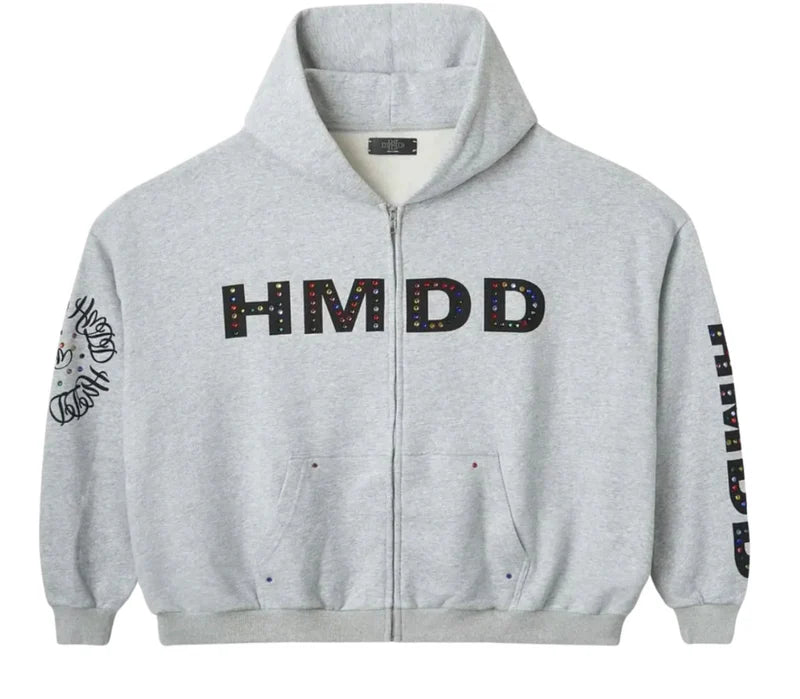

Sp5der Web Hoodie New Drop 2026 King Spider Signature Line

Sp5der hoodies are flexible pieces that may elevate any relaxed ensemble. These hoodies can be found in various colors and designs, enabling you to produce diverse searches for different occasions. Here are some design tips to help you get the best from your Sp5der hoodies.

Informal Appearance:

To get a peaceful, daily appearance, set your Sp5der hoodie with a couple of denims. This mixture is great for operating errands or hanging out with buddies. Choose timeless light blue or black bluejeans for a incredible seem. Accomplish the outfit with some tennis shoes. This simple-proceeding fashion is comfy and effortlessly great.

Sporty Type:

Sp5der hoodies are perfect for a athletic, athleisure look. Match your hoodie with Sp5der tracksuit trousers for any coordinated ensemble. This appearance is ideal for seeing the fitness center or a casual getaway. Put a couple of sporty shoes to accomplish the attire. This type is equally fashionable and functional, letting you relocate readily although looking fashionable.

Layering:

Layering is vital to making classy clothes with the Sp5der hoodie. To get a fashionable layered look, dress in your hoodie under a denim shirt or a bomber coat. This provides an extra coating of heat and gives your outfit much more range. Pair this with slim-match trousers or denims for a well balanced appearance. This blend is perfect for colder climate and provides an attractive effect to your straightforward hoodie.

Wise Casual:

For any clever informal look, combine your Sp5der hoodie with tailored trousers. This produces a far more polished outfit that may be continue to secure. Pick fairly neutral hues for both the hoodie and the slacks to maintain the look cohesive. Put a set of nice and clean, minimum footwear or loafers to complete the design. This style is great for everyday Fridays at your workplace or a peaceful dinner with close friends.

Streets Type:

Sp5der hoodies can easily be designed to get a streetwear appear. Set your hoodie with baggy jeans or freight jeans. This combo is edgy and fashion-forward. Add some substantial-best sneakers to further improve the streetwear atmosphere. Accessorize having a beanie or perhaps a cover for an more feel of style. This appearance is fantastic for creating a document and standing up outside in a audience.

Layered with Extras:

Accessories can elevate your Sp5der hoodie clothing. Consider adding a chunky scarf during colder several weeks for more warmth and style. An elegant backpack or i love spider shirt possibly a crossbody case may also put in a modern contact to the attire. Do not be scared to test out distinct extras to find the appearance that best suits you very best.

Holiday Designs:

Sp5der hoodies could be styled for any time of year. In the summertime, set your hoodie with shorts to get a relaxed and cozy attire. Go for light shorts and very low-best footwear to help keep amazing. In the winter months, level your hoodie with a heavy coat and match it with cozy boots and pants. This means stay hot while continue to searching stylish.

Monochrome Look:

A monochrome clothing can be very trendy. Match your Sp5der hoodie with pants from the same color family members for a streamlined appearance. This generates a cohesive and finished ensemble. Select components in very similar tones to accomplish the monochrome seem. This design is simple however stylish and is effortless to put together.

Shade Control:

Color sychronisation is vital to design your Sp5der hoodie. Choose complementary shades to your hoodie and slacks. By way of example, a black color hoodie couples nicely with grey or white-colored slacks. This results in a balanced appear that is certainly visually appealing. Test out various color combos to find what works well with you.

These tips will assist you to style your Sp5der hoodie for virtually any event, making sure you always look modern and place-with each other.

Innovation at its Peak: Meet the Sp5der Processor Family

Comfort: Sp5der tracksuits, hoodies and pants and shirts are made from high-good quality materials. The fabrics are delicate and breathable, guaranteeing highest ease and comfort. Whether you’re sporting a hoodie over a cool time or tracksuit slacks for a exercise, you will feel safe.

Sturdiness: Sp5der clothing is constructed to last. The powerful stitches and robust materials make sure that each and every object can endure normal wear and washing. You can depend on Sp5der things to remain in excellent condition over time, which makes them a trusted selection.

Design: Sp5der offers sleek and trendy designs. The clean collections and present day slashes in their tracksuits, pants and hoodies and t shirts make sure they are flexible items. You may mix and match all of them with other things in your clothing collection for a number of looks. Whether you’re getting a relaxed or athletic style, Sp5der has you covered.

Versatility: Sp5der clothing would work for a number of occasions and activities. The hoodies are good for a comfortable day trip or perhaps a relaxed meet-up. Tracksuits are ideal for exercise or athleisure use. The shirts and pants can be fashioned for casual and semi-formal adjustments. This versatility helps make Sp5der a practical addition to any wardrobe.

Easy Proper care: Sp5der apparel is simple to keep. Most items are equipment washable, making washing basic. You can keep your Sp5der items looking new for a long time, by following the care instructions.

Suit: Sp5der apparel provides a selection of styles to accommodate distinct system kinds. The in depth dimension charts be useful for finding the perfect suit, ensuring comfort and style. This inclusivity implies everyone is able to appreciate Sp5der’s trendy models.

Picking Sp5der clothes signifies pickingcomfort and durability, and style in every single bit. Whether you’re searching for informal dress in or anything a lot more versatile, Sp5der provides high-quality choices that provide what you need.
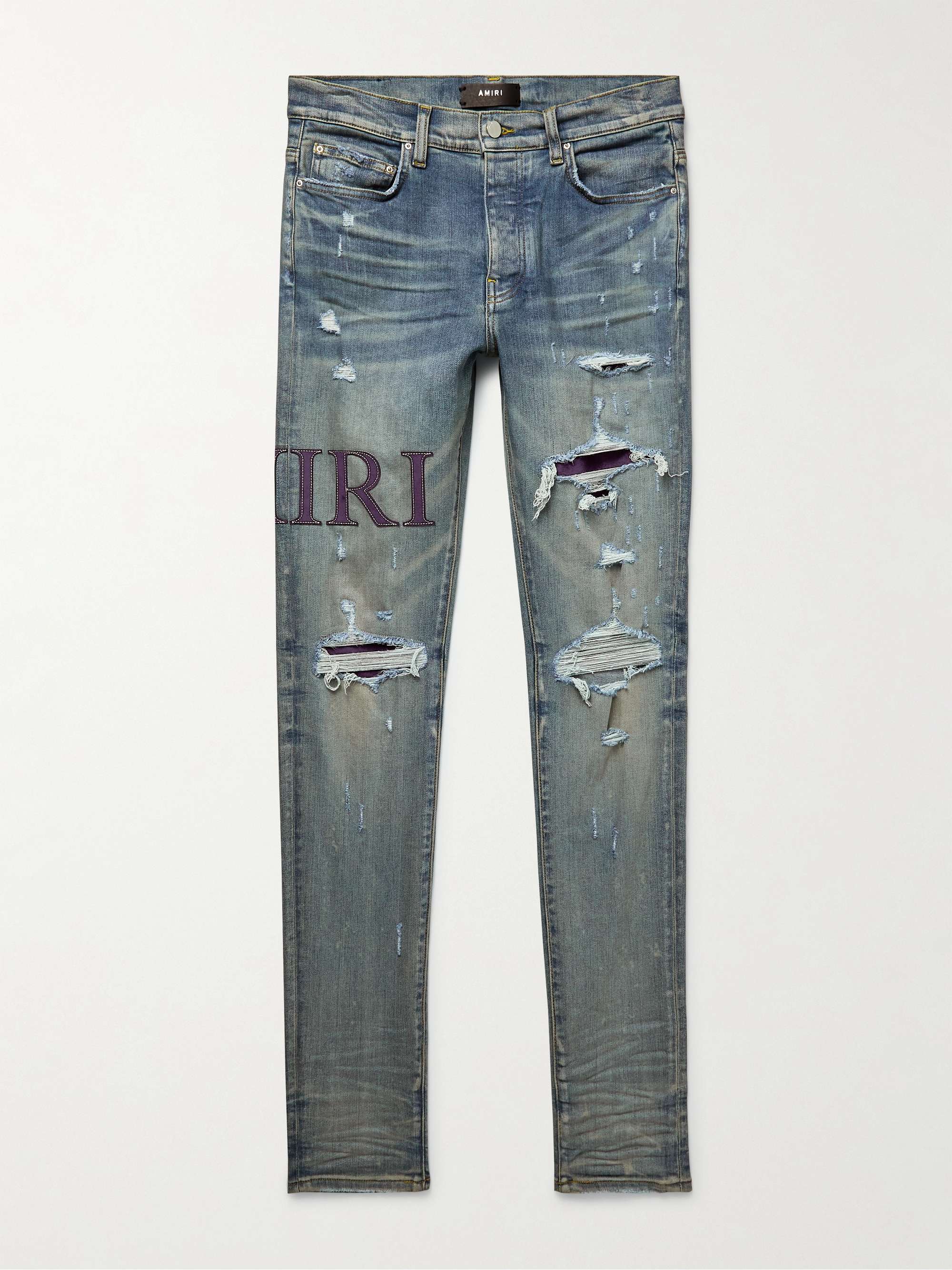
AMIRI Denim Shop Skate Culture Nod

AMIRI: A Detailed 2026 Guide to the Los Angeles House

A Los Angeles luxury house, AMIRI is founded on hand-worked denim, skeleton-appliqué sneakers and heavy graphic jersey. It shows in Paris twice a year, yet the company itself is American with an American studio. The identity hangs on a single idea: jeans are pulled apart and then rebuilt in plain view with leather, bandana print or jacquard. The searches that bring readers here are nothing like one another. Amiri clothing points at the house, amiri jeans at the denim, amiri hoodie at the fleece, amiri men at the menswear it began with. This guide presents the documented version and flags the claims that do not survive checking.

Who founded the house, and what is actually documented

Mike Amiri, an American designer of Iranian parentage, remains the founder and creative director. His CFDA profile and the brand’s about page carry one phrase: he began hand-crafting unique stage pieces for legendary Los Angeles performers. That is all either source claims, so rock clients named in retail editorial are reported rather than confirmed. A press release dated 3 December 2014 assigns him over ten years in luxury plus projects for Helmut Lang, J Brand and RRL, though that is publicity, not confirmation. The same release announced his appointment as head designer of ready-to-wear and accessories at Buscemi, which almost every profile leaves out. Online the law-school backstory rests on no primary source, while his full legal name is recorded nowhere.

Two citable answers to the founding-year question

Most sources date the label to 2014: the brand’s about page, the CFDA, its Italian minority investor and the main reference summaries. In the December 2014 press release the founding is placed in 2013 instead, in partnership with the retailer Maxfield. Since both are citable, careful writing should not quietly pick one. Put it this way and nothing breaks: the house dates itself to 2014, and the earliest press release dates it amiri to 2013. What is not disputed is the launch, an exclusive capsule sold through the Los Angeles concept store Maxfield. That release goes further, calling Maxfield a founding partner rather than the first stockist.

Who owns it, who runs it, and what the money really shows

Mike Amiri is the majority owner, so the house is still run independently day to day. The Italian group OTB, chaired by Diesel founder Renzo Rosso, took a minority stake in 2019 on undisclosed terms. The percentage is not public, so any published figure is a guess. On 1 April 2023 Adrian Ward-Rees became chief executive, coming from senior roles at Burberry and Dior Menswear, and whether he still holds the post is unconfirmed. The widely quoted $300 million sales line is a founder statement relayed by the press, not an audited figure. Valuation and net-worth numbers circulate with no sourcing at all and should not be repeated.

How big the retail network really is

The fix here is to separate owned stores from wholesale doors, because this is the most mis-stated area in AMIRI coverage. The brand’s retail-locations listing shows roughly 33 boutiques, several marked as coming soon; trade reporting puts stand-alone stores at about 31 in 2026 after Milan. The wholesale side is another matter again: around 150 luxury accounts, roughly 400 points of sale, and more than 160 retailers carrying the label. Store counts far above that roll wholesale doors into owned stores, and they should not be repeated. The first permanent store opened on Rodeo Drive in Beverly Hills in 2020. Milan came later as the first permanent European store, with London following.

  • United States: Beverly Hills, Los Angeles, Costa Mesa, Las Vegas, Dallas, Chicago, Atlanta, Miami, New York
  • Europe: Milan, London, Paris, St Tropez
  • Middle East and Africa: Dubai, Riyadh, Cape Town
  • Asia and Latin America: Shanghai, Nanjing, Tokyo, Osaka, Nagoya, New Delhi, Mexico City

Denim, where you find the house identity

Denim is where the label originated and remains its anchor, with repair as the operative verb. Hand-distressing comes first, then the jeans are visibly rebuilt with contrast material, which leaves a finish that looks irregular rather than machine-uniform. In circulation the fits are MX1, Stack, Thrasher and Shotgun, plus the roomier Carpenter, Baggy and MA Fit cuts. MX2 is a genuine model name, but its collection pages returned no live products in 2026 checks, so it reads as archive-leaning. MX3 turns up only as a women’s Baggy MX3, a motocross hybrid without a waistband observed at $990, and not as a men’s high-destruction jean. Bandana and Crystal are treatments that travel across those fits rather than fits in their own right, which makes MX1 Bandana and Crystal Thrasher the correct forms.

The footwear, and the bones motif

The house calls the Skel Top Low its signature sneaker in its own product copy. A leather and suede basketball silhouette sits on a two-tone rubber sole here, carrying hand-cut bone appliqués, observed at $650. A different shoe again is the Skel Court, a canvas retro-court style carrying the same bones motif, high-top observed at $690. Stars Court takes that silhouette and exchanges bones for star appliqués, refreshed for Pre-Spring 2026. The MA-1 here is a sneaker observed at $799, not a bomber jacket, though MA-1 is elsewhere the generic military bomber designation. The founder’s initials give MA, which heads MA Bar, MA Core, MA Quad, MA Fit and MA Skyline; the Ryder Boot sits at $1,090 to $1,290.

Jersey, shirting and outerwear

That skeleton motif defining the sneakers carries into the soft goods as well. Among the confirmed pieces are the Bones Oversized Hoodie, Bones Fleece Zip Hoodie, Bones Stacked Hoodie and a Bones flannel overshirt. The MA Core Logo Hoodie is the plain option, a cotton pullover with the MA icon and core logo, called a normal fit and observed at $650. Conflating the MA Core Logo Tee with the MA Bar Logo Tee is common, though they are different products made in different countries. Flannel is a founding pillar, not a seasonal add-on, and the MA Quad Bleached Flannel is observed at $1,290. Outerwear reaches higher with wool and leather varsity jackets and denim work jackets on the same repair logic, though no flagship bomber is supported.

Where AMIRI is made

Origin varies by style, so the claim that everything is made in Los Angeles is false. Made in the United States are the MX1 jean, the Stack jean and the MA Core Logo Hoodie. The MA Bar Logo Tee is specifically made in Los Angeles, which covers one product rather than the range. Italy is where the MA Core Logo Tee is made, and that surprises anyone assuming the jersey follows the denim. Footwear is made in Vietnam, including the Skel Top Low and the Skel Court Hi. A jean labelled made in Italy, or a Skel-Top labelled made in the United States, is a reason to look harder at the piece.

The observed prices, and why discounting is structural

The figures below are observed market listings read in 2026, not an official price list, and they move. Read them as bands, not fixed points. Tees start around $425, core jeans sit between roughly $750 and $1,100, hoodies run from about $650 into the $900s, and sneakers cluster between $620 and $800. Worked outerwear such as varsity jackets reaches $1,800 to $2,300 and above at list. Rather than being exceptional, discounting is structural, and in-season reductions of 40 to 70 percent appear at authorised multi-brand retailers and off-price channels. Because that sale floor caps what the secondary market will pay, resale on standard pieces stays below retail.

Product Observed price Detail
Stack jean $750 The core denim starting point
MX1 jean $1,090 Pleated ovine leather set into the repair
Baggy MX3, womenswear $990 No waistband, motocross hybrid
The MA Core Logo Hoodie $650 Normal fit, cotton
Skel Top Low sneaker $650 The signature sneaker of the house
Skel Court Hi, high-top $690 Court silhouette in canvas
MA-1 sneaker $799 A sneaker here, never a bomber jacket
The Ryder Boot $1,090 to $1,290 Leather, suede or python-embossed

The claims to check before repeating

The same errors turn up again and again in published AMIRI copy. The founding year gets presented as settled although two sources disagree, store counts are inflated because wholesale doors are folded into owned boutiques, and revenue is quoted as audited when it is really a founder statement. The most persistent product invention is the tiered MX ladder, where each number supposedly means heavier destruction, and it reads like search-optimised filler. Treatments get promoted to fits, footwear names get merged, and the MA-1 sneaker gets described as a jacket. Finally, no official outlet exists, online or physical. In a July 2021 federal complaint the company stated that it does not have an AMIRI outlet store and has never authorised any person or business to operate one.

  1. Check whether any store count refers to owned boutiques or to wholesale doors.
  2. Named rock clients are secondary-press reports, not claims the brand makes.
  3. Take Bandana and Crystal for treatments, and MX1, Stack, Thrasher and Shotgun for fits.
  4. Confirm origin on the label, because it varies by style.
  5. Take authorised sale prices as the reference point for any resale offer.

Vertical Drama Movies Guide Now Streaming Free

How a Machine Landed in the Vertical Drama Business, Three Ways

Three different answers come back when you ask people who work in vertical drama about artificial intelligence in 2026, and which one you get depends on which end of the business they sit in. One group handles it as a cost line inside an existing app, applied quietly on a portion of vertical drama short film the release slate. Another camp has built complete series that no camera ever touched, then posted them straight into social feeds. A third faction spends its time bickering about what the first two are doing to the profession. In a genre already engineered for speed, all three are happening at the same time. Vertical series of 60 to 100 second episodes, usually 50 to 100 of them, are what short dramas are, and Western producers have noted budgets of roughly $150,000 to $300,000 for a shoot of eight to ten days. That figure is the yardstick any automated pipeline gets benchmarked against.

Inside the Apps: AI as a Budget Line

The version of this narrative that counts in business terms is also the least conspicuous. Inside the leading apps, generative tools are being used the way any other cost-saving technology gets used, on part of the catalogue rather than all of it, and rarely with a label announcing it. Look at the economics and the appetite explains itself. Chinese producer Jiuzhou Culture told state media that a 70-episode series cost $100,000 to $150,000 to make. Any method that removes a shooting week is worth trying against numbers like those. The payoff is big enough to justify the trial, since Sensor Tower puts 2025 in-app revenue across short drama apps at about $2.8 billion to $3 billion, more than double the year before. Two current cases give the range of what the apps are actually releasing.

DramaWave and the Eighty Percent Slate

DramaWave is the clearest case of a company treating generated material as the production line rather than a side dish. Published by SKYWORK AI PTE LTD, part of Kunlun Tech’s Skywork business, the app launched in September 2024. According to the outlet 36Kr, by the second quarter of 2026, more than 80 percent of DramaWave’s newly released content was AI-generated and its annualized revenue had topped $700 million. For context, an industry study put the same annualized figure at roughly $120 million in March 2025, with more than 10 million monthly users. Media Partners Asia estimates DramaWave accounts for about 13 percent of the microdrama market outside China. The app’s listing claims more than 30,000 dramas in 18 languages, and Google Play shows 100 million-plus installs. A weekly pass runs about $7.99 to $19.99 in the US App Store as of September 2026, with a monthly option near $36.99, and those rates vary by region and change without much notice.

The Animated Motion Comic at ReelShort

ReelShort went tighter, setting animated titles alongside its live-action library. The description of Shattered Vows, a 2026 ReelShort series running 52 episodes, is an AI-generated animated motion comic. Its story follows heiress Vanessa Windsor, who learns that her husband and her best friend helped her sister’s killer escape, and its page lists no cast at all, which is the practical tell for this kind of production. There is a second ReelShort series as well, The Lost Heir, which runs 58 episodes and is equally an animated motion comic rather than live action. The lead is Arthur Lancaster, who loses his memory saving his brother, grows up on a farm under the name Johnny, and eventually reveals the foster sister who spent years framing him. Anyone running a search should know that a separate ShortMax series also called Shattered Vows is an unrelated show with a different plot. Neither ReelShort show is a token trial, since both run at full series length.

Outside the Apps, When the Whole Show Is Generated

The app stores were skipped entirely by the second current. Fruit Love Island is an AI-made vertical micro-drama that parodies the reality dating show Love Island, with anthropomorphic fruit contestants moving into a villa, coupling up and recoupling, complete with a spoof of the Casa Amor twist. The visuals, the voice-overs and the scripts were all handled by generative tools, episodes run about two to four minutes, and Forbes likened the appearance to a children’s CGI-animated film. Viewers voted on contestant choices through Google Forms, a participatory hook none of the commercial apps has matched. A wider flood of ai fruits snippets had been going around since February 2026, tracked by Know Your Meme to a TikTok account that posted a strawberry’s affair with her eggplant boss, so it did not arrive from nowhere. People in the trade were unsettled by the growth curve, because episode one went up on March 13 or 14, 2026, and by March 22 the account had topped 3 million followers and 300 million views. TODAY reported total views of 214 million by April 6, with episodes averaging more than 10 million each. The show has its own full write-up elsewhere in this set of articles, so the point worth keeping here is a more limited one: a single anonymous account reached app-scale attention with no camera, no cast and no budget anybody can name.

The Backlash, Examined Closely

Almost as quickly as the views came the criticism, and commentators broadly called the series AI slop. Several duties are being done by that phrase at once, and it helps to separate them. The first grievance is aesthetic, levelled at work that is inexpensive to churn out and effortless to swipe past. The second is about credit, and comedy creator and voice actor Joy Ofodu told TODAY that the series was likely inspired by her own talking-fruit videos, which points at the uncomfortable fact that generative tools can reproduce a style without ever naming the person who came up with it. Complaint three is about the public record itself. The original Ai Cinema account has an anonymous and unconfirmed creator, several online personalities have asserted authorship without proof, no website has been verified as the show’s official home although several present themselves that way, and copycat accounts began posting copycat episodes within a matter of weeks. The sequence of dates itself has soft edges, given that the date of the Season 2 first episode is inferred from the video rather than released by anyone. Reactions were not uniformly unfriendly either, because Love Island USA’s JaNa Craig and Kaylor Martin played along with the series and remade clips with human actors, while Season 7 winner Amaya Espinal said she would never watch it.

Where AI Turns Up, and What Is Actually Verified

Most of the work in covering this beat is sorting the confirmed from the assumed. The table below splits the places generated content turns up from the claims tied to them. Months after the villa closed, people still type ai fruit love island into search boxes, which tells you how much of the conversation is driven by one title rather than by the apps without fanfare shipping generated episodes every week. Only what a named source actually established is listed in each entry.

Where AI appears Example What is actually verified
The bulk of an app’s new slate DramaWave 36Kr reports over 80 percent of newly released content AI-generated, with annualized revenue past $700 million by the second three-month period of 2026
Animated titles within a live-action catalogue ReelShort’s Shattered Vows, 52 episodes Described as an AI-generated animated motion comic, with no cast listed
Animation with no stated AI credit ReelShort’s The Lost Heir, 58 episodes Flagged as an animated motion comic rather than live action
An entire series made outside the apps Fruit Love Island AI used for visuals, voice-overs and scripts, with episodes of about two to four minutes
Authorship behind a viral AI series The Ai Cinema account Unconfirmed and anonymous, with several unproven claims of authorship
Sites claiming to be the official home Fruit Love Island fan and search-optimized sites None verified as official, and imitation accounts exist
Release dates on generated output Fruit Love Island Season 2, episode one Date taken from the video itself, never made public by the creator

None of this settles whether generated vertical drama is any good, and the argument will survive the fruit. What the public record does show is that the financials of the genre favoured automation before viewers asked for it, and the apps moved first. For viewers, the practical counsel is unglamorous: verify the account handle before you trust an upload, regard fan sites and inferred dates as provisional, and never download an unofficial app or a modified build advertising free episodes or unlimited coins. The genre spent 2026 proving it can generate attention at scale, and the open question for 2027 is whether anyone can tell the difference on a phone screen.

History of Coach Handbag Style It Three Ways

Coach Bag Sale: How Coach Markdowns Really Work

Reductions, outlet offers, coupon codes and questionable bargains collectively show up in a baffling mix whenever someone enters coach bag sale into a search bar. Genuine Coach reductions are offered through just a handful of official and authorised channels, meaning the actual situation is less chaotic than it seems. This guide works through those channels stage by stage, based on prices and promotions observed during 2025 and 2026. These figures below fall short of an official price list, and they cannot ensure that a future sale will repeat them. Setting out patterns in place of dates is the fairest approach, since it was not possible to verify any sale calendar from Coach itself. A US federal court regarded accessible luxury, the bracket filled by Coach, as distinct from both mass-market and true luxury handbags. Follow the steps in order and you will recognise what a fair price looks like before you reach the checkout.

Step 1: Confirm Which Channel You Are Buying Prior to Rating Any Discount

Every genuine Coach discount runs through one of three routes, and each route sets prices on its own terms. First comes the full-price business: any full-price coach store together with Coach’s own website, where selected styles get reduced now and then. In second place is Coach Outlet, an official channel run by Coach itself and never a third-party discounter or a grey-market reseller. Coach Outlet operates physical outlet stores and an official online outlet section on Coach’s own website, which Coach reportedly describes as the only place online to buy authentic Coach Outlet styles. Finally, the third route runs through department stores that stock Coach: Nordstrom, Macy’s and Dillard’s in the United States, among others, or John Lewis, Selfridges and Harrods in Britain. A coach bag purchased through an official or authorised route is authentic, couchbag.net but the discount in each one signals something different. Knowing the route reveals which comparison is fair and which is misleading.

Step 2: Take Full-Price Markdowns Without Overreading Them

On the full-price side, sale activity typically comes down to markdowns on selected styles, colours or sizes rather than a blanket discount. Observed markdowns in 2026 have come in at roughly 30 to 40 percent on the pieces that were discounted. A Brooklyn Shoulder Bag 39 observed at $495 served as one example: it appeared in a sale variant at $297. In Britain, a Tabby Shoulder Bag 26 listed at £475 was spotted on sale from £332. Those numbers remain snapshots of individual listings; they never create a rule that every Tabby or Brooklyn will come down by the same amount. Tapestry, which owns Coach, has also said that Coach cut back on promotional activity and achieved a higher average handbag price during fiscal 2026. For that reason anyone shopping should never take it for granted that a current bestseller will show up in a coach bags sale at all.

Step 3: Treat Outlet Discount Percentages as Advertising Figures

Rotating promotions, not one big seasonal event, are how the coach outlet channel works. Category-based deal pages have appeared, among them a section of deals under $150, together with extra-percentage-off events and clearance edits. Outlet advertising has promoted deals from $35 and promotions of up to 70% off, but such numbers are figures from advertising and never a guarantee of savings on any specific bag. On one observed listing, a Smith Mini Tote appeared at $89 against a $350 reference price. Be careful with those reference prices, since no explanation from Coach could be found confirming that made-for-outlet items were ever actually sold at the higher figure. For that reason a percentage seen at the outlet should not be directly compared with a percentage seen on a full-price markdown. Reports also suggest that some outlet styles are online exclusives, so a bag you cannot find in an outlet store could still exist on the official online outlet.

Step 4: Understand What Outlet Stock Actually Is

Outlet shopping is clouded by two popular myths, neither of which holds up. In reality, Coach is the operator of the outlet stores and labels them Coach Outlet in its own store locator, which contradicts the first myth, the idea that the outlet is fake. The second holds the outlet only sells leftover boutique stock, which is at odds with what Coach itself has stated. Coach’s investor relations chief was quoted in 2014 as saying that around 85% of outlet merchandise had been made for the outlet channel. The present share is simply unknown, because this statistic is now more than a decade old and nothing current has been found in Tapestry’s disclosures to update it. Through a “One Coach” strategy reportedly described by Tapestry, some full-price collection product makes its way into outlets alongside earlier-season styles. No public Coach comparison supports claims that made-for-outlet bags are always of lower quality, or always identical.

Step 5: Join Coach Insider Ahead of Any Sale

Coach Insider, a loyalty club that costs nothing to join, covers both Coach and Coach Outlet, so it is worth having for either kind of discount. Reported tiers run from Insider through Silver and Gold to Diamond. Members are reported to enjoy advance access to some sales and new drops. A members-only private sale giving an extra 15% off has been shown on a members’ page for the outlet. Treat that as one observed event and not as a permanent discount that will always be available. According to coupon-site reports, clearance pieces and final-sale items tend to be excluded from extra-percentage codes as well. Because signing up is free, register long before you want to buy, then keep an eye on member emails.

Step 6: Forget Sale Calendars and Suspiciously Cheap Sites

Tidy calendars promising Coach sales on particular holidays and at the end of each season routinely show up on coupon sites. Do not plan a purchase around a date or a fixed discount depth: none of those calendars could be confirmed. Fake outlet websites pushed through social media advertising pose a considerably more serious risk. A closing-down sale or a today-only clearance is the typical claim, with 70 to 90 percent off everything on display. They copy Coach photos, logos and brand history, then collect payment and send a counterfeit or nothing at all. The brand’s own retail and outlet stores, its own websites and authorised department and specialty stores are the only places to find authentic goods, according to Coach. Leave the site if a site is none of those and a $300 bag suddenly costs around $20.

Step 7: Put Competing Offers Head to Head

Check the offer against the typical pattern for its channel before paying. Setting out what has been observed in 2025 and 2026, the table below shows common behaviour, not a forecast. Both a full-price markdown and an outlet promotion can represent good value, yet they are measured against different starting prices. That retailer’s own pricing decisions determine a department store sale, and those decisions can differ from Coach’s. Compare the final price, including delivery and returns, not the headline percentage if the same bag is offered in more than one place. A large number attached to a reference price nobody may have paid is less likely to sway you once you have that habit. When two listings differ in size or material, this habit equally keeps the comparison like for like.

Route Discounted items Pattern observed Be wary of
Coach full-price stores and official site Selected styles, colours and sizes Markdowns of roughly 30 to 40 percent seen The newest styles may never be marked down
Coach Outlet stores and the official web outlet Pieces made for outlet, earlier seasons, some collection items Deals from $35 and up to 70% off, as advertised Reference prices cannot be compared with full-price tags
Coach Insider members’ sales Member events Extra 15% off seen once at the outlet Clearance and final-sale exclusions
Department stores The retailer’s own Coach stock Depends on the retailer Confirm the store is an authorised seller

Step 8: Check Returns, Final Sale Terms and Trade-In Rules

When an item cannot be sent back, a bargain price quickly loses its appeal. Review the conditions on the product page before completing the order, as sale and clearance pieces can carry different return terms. Shopping from Coach or an authorised seller is your real protection, because Coach says it does not authenticate merchandise. Consider, too, what would happen if you later want to trade the bag in. A trade-in scheme named Coach (Re)Loved operates in North America retail stores as well as in select UK and Japan stores. Outlet items and canvas pieces are reportedly excluded, although gently worn all-leather retail bags are accepted. A marked-down full-price leather bag may suit you better than a deeper outlet deal when trade-in value matters.

  1. Establish which channel you are buying from before judging the percentage.
  2. Confirm if the price is a markdown or an outlet reference.
  3. Sign up as a Coach Insider member early on.
  4. Ignore calendars and implausible websites.
  5. Ahead of payment, check the return and trade-in terms.

Best HMDD Hoodie to Buy Styling Inspiration

Is HMDD’s Price Tag Justified? A Shopper’s Guide to Value for Streetwear Fans

Shoppers browsing streetwear right now keep returning to a single question: does HMDD really come through on quality and design compared to its price point? The label — officially known as Happy Memories Don’t Die — has cultivated a loyal audience around emotionally resonant graphics, a wistful, throwback look, and a wardrobe that leans heavily on relaxed everyday staples like sweatpants, shorts, hoodies, and tees. But a name and a mood board don’t answer the pricing question. This article breaks down what the real cost covers when you buy HMDD clothing, where it earns its keep, where it falls short, and how it measures up next to comparable streetwear labels in 2026.

Distinguishing hype from actual craftsmanship is the starting point of any honest hmdd review. The brand leans on one strong emotional hook — the notion that memories outlast everything, that clothing can hold meaning as well as style. It’s a compelling marketing angle, yet shoppers paying real money still want proof that construction and material quality are worth the cost. This is where we look at construction, sizing consistency, drop frequency, and resale demand for a realistic take instead of just recycling the brand’s messaging.

What You’re Actually Paying For

HMDD places itself in the mid-tier streetwear bracket, meaning it costs more than mall-brand basics but sits below hype-driven luxury streetwear. That mid-tier placement is where the value debate tends to get complicated, because people stack it up against both cheaper and pricier options. The right point of comparison is other independent streetwear labels with similar production scale, not fast fashion and not designer collabs.

The price tag is shaped by three main factors: fabric weight, print/embroidery technique, and limited-run scarcity. HMDD’s sweatpants tend to use thicker fleece materials compared to entry-level mall sweats, shaping both drape and shape retention through repeated washing. As for the graphics, frequently the emotional anchor of the branding, it’s generally applied using techniques more durable than basic heat-transfer printing — important if the piece gets weekly wear.

Small-batch drops play into the cost as well. Limited manufacturing runs translate to higher per-unit costs than large-scale retailers see, and that expense is passed along to the buyer. This is standard across independent streetwear, not unique hmdd pullover hoodie to HMDD, but it’s worth pointing out clearly because it explains part of the price gap between HMDD and larger chains.

Sweatpants and Shorts Together: The Core Value Test

hmdd’s shorts and sweatpants typically serve as where most shoppers first try the brand, and since they’re worn so regularly and washed so frequently, they end up being the most honest test of value. Sweatpants succeed or fail based on three things: elastic waistband durability, how much the fabric pills with wear, and whether the fit remains accurate after a dozen wash cycles. Shorts get assessed on drawstring durability, inseam seam strength, and whether the fabric resists fading after multiple washes.

Buyers regularly point out that HMDD sweatpants match standard sizing with a loose through-the-leg cut rather than a narrow taper, which makes a difference if you’re used to size charts that skew narrow. The shorts carry the same loose, relaxed shape. Few shoppers give this kind of consistency enough credit — a brand that sizes consistently across drops spares you the hassle and cost of returns, which is its own form of value even before you factor in the actual price of the garment.

Where it gets interesting is how often customers buy again. Customers happy with a single pair of HMDD sweatpants usually return for shorts or hoodies instead of making a one-time purchase and switching brands. That’s a solid stand-in for how happy customers are, since streetwear buyers have countless competing brands to choose from and don’t stay loyal for subpar items.

HMDD Versus Other Streetwear Brands: A Comparison

Data does more to clarify this than adjectives ever could. Here’s a framework for comparison across categories that matter most to shoppers focused on value: price positioning, fabric heaviness category, how long prints and graphics last, release frequency, and consistency of fit. These are relative rankings based on general category positioning rather than specific claims HMDD hasn’t directly made, and they’re meant to give you a general sense of direction rather than serve as exact specs.

Category Everyday Mass Streetwear HMDD Clothing Premium/Designer Streetwear
Typical Price Bracket Low Mid-Range High to Very High
Fabric Weight Light to Mid Medium to Heavyweight Heavyweight
Print/Graphic Durability Low to Mid Moderate to Strong High
Release Frequency Continuous Occasional and Limited Seasonal, Highly Limited
Fit Consistency Across Releases Inconsistent Mostly Reliable Reliable

This table isn’t meant to crown a winner — it’s meant to indicate where HMDD lands among its peers. It’s not competing with $15 fast-fashion sweatpants, and it’s not trying to be a $300 designer hoodie either. It sits in the space where material and graphic quality meaningfully outperform entry-level basics, without requiring shoppers to spend luxury-tier prices for the upgrade. For a lot of buyers, that in-between space is exactly the value offering they’re seeking.

Top HMDD Picks for Everyday Value

Joggers and shorts rank highest because they’re worn in casual settings, during exercise, and even around the house, distributing the expense across a wider range of wears than a bold graphic hoodie you save for specific outfits.

  • Sweatpants: high wear frequency, laid-back fit, top cost-per-wear ratio in the lineup.
  • Shorts: reliable warm-weather go-to item, matching fit reasoning to the sweatpants.
  • Printed hoodies: steeper price point but slower wear-out due to reduced rotation frequency.
  • Tees: cheapest entry point, useful for checking fit before buying pants.

It’s a more budget-friendly way to verify sizing before committing to a higher-priced sweatpant or hoodie purchase. This step-by-step approach is a frequent recommendation among streetwear buyers working through any independent brand with tight exchange periods.

Where the Value Breaks Down

No label is perfect, and value assessments lose credibility if they only highlight the good. The chief complaints shoppers bring up about HMDD focus on restricted stock drops — when a design sells out, it may not restock at a reliable time, which can frustrate buyers who weren’t fast enough to grab a drop. That’s a genuine downside in ease, even if it doesn’t appear on a receipt.

Delivery times and return periods are the other area shoppers should factor into their value math. Nothing here is exclusive to HMDD, but it’s part of the true expense of buying from a niche, creativity-led label rather than a big commercial seller with industrial-level fulfillment.

The Bottom Line: Should You Buy HMDD?

For buyers who prioritize fabric weight, graphic durability, and a distinct nostalgic aesthetic over rock-bottom pricing, HMDD proves worth the spend more often than not. The “happy memories dont die” philosophy isn’t just marketing spin — it comes through in design choices that lean toward emotional value and durability over disposable trend-chasing.

Where you need to hold back is if you’re expecting designer-level craftsmanship at mid-tier prices, or if you need assured restocks and generous return windows. Those aren’t strengths of the limited-drop model that HMDD runs on, and no straightforward write-up should pretend otherwise. After balancing your own preferences — price relative to wear, aesthetic fit, and tolerance for infrequent replenishment — relative to what HMDD brings to the table, answering the worth-it question gets far simpler for your individual situation in 2026.

Francesco Ragazzi Items Same Day Ship

Palm Angels Fashion: What Causes the Label Differentiate Itself

In an world saturated with street style houses vying for market share, Palm Angels has managed to establish a niche that comes across as genuinely its own. Created in 2015 by Italy-born visual artist and visual storyteller Francesco Ragazzi, the brand came to life not from a standard fashion background but from a documentary photography series recording Los Angeles skateboarding culture. That creation story — grounded in visual research rather than business planning — still runs through every facet of the brand’s character almost ten years later. By 2026, Palm Angels achieves estimated yearly revenue exceeding $200 million within its parent group New Guards Group, which is under the Farfetch company. The house has dedicated stores in Milan, New York, Tokyo, and London, and its pieces are available in over 400 retail doors globally. But raw statistics fail to capture why Palm Angels connects so strongly. This study reveals the specific qualities that distinguish Palm Angels from its competitors and maintain its relevance in a space that burns through styles with remarkable speed.

The Creation Narrative: Visual Art as Creative Root

Knowing Palm Angels needs knowing its designer’s vision, which differed greatly from the standard trajectory into designer fashion. Francesco Ragazzi spent years photographing skate riders in the Venice Beach and Hollywood districts of Los Angeles, preserving the raw physicality, defiant mindset, and instinctive style of a community functioning fully outside the mainstream fashion. These images turned into a photo book — also called “Palm Angels” — published by Rizzoli in 2014, which captured the eye of the fashion world and led directly to the apparel brand the next year. This starting point is important because the brand’s look wasn’t built backward from market research or trend forecasting — it was observed from real experience and transformed into garments. Ragazzi’s vision for visual balance emerges in new palm angels shirts all aspects from graphic elements to shows, which frequently look like gallery shows more than regular fashion presentations. The photography-first approach accounts for why collection campaigns seem more like art projects than advertisements. This visual core has shown itself to be surprisingly resilient, acting as a reliable touchstone even as the label grows into new product areas and territories.

Aesthetic Approach: The Meeting of Worlds

Street Culture Marries Italian Luxury

The fundamental contrast that renders Palm Angels visually interesting is the deliberate fusion of two seemingly incompatible aesthetics: the raw informality of American streetwear and the exacting craftsmanship of Italian tailoring. All collection balances these competing elements. Oversized silhouettes taken from the skate world — where loose pieces serve a functional role — are constructed in textiles that wouldn’t be out of place in a Milanese fashion house. Prints recall public art, and counterculture symbols, but they’re placed using premium application processes on luxury fabrics. Hardware details like zip pullers and lace tips are crafted to a standard common in labels with 10x Palm Angels’ heritage. This isn’t pastiche; it’s authentic blending where each part lifts the other. The street influence prevents the Italian craftsmanship from feeling stiff, while the Italian craftsmanship keeps street elements from appearing throwaway. Rarely does a brand navigate this tension successfully — most go too far in one way.

The Importance of Visual Identity and Design Language

Palm Angels has built a graphic identity that’s at a glance recognizable, and this iconographic continuity is a major reason in the house’s staying power. The arched wordmark logo uses a font calling to mind retro California signage while staying clearly contemporary. The bear graphic has become a image transcending the label itself, surfacing in internet content, fan art, and popular culture references globally. Tree motifs appears across seasons, connecting each drop to the Los Angeles starting point. Fire motifs, angel wings, and tag-style aesthetics round out a graphic library deployed with remarkable flexibility — the same image can appear as quiet stitching on a shirt or a large-scale graphic covering an full sweatshirt. This design system operates in the same way as luxury house monograms: offering quick brand awareness while allowing unlimited design variety within a consistent structure.

Manufacturing Excellence and Quality Criteria

Where many urban labels outsource production to cut overhead, Palm Angels has invested in Italian construction as a key pillar. The bulk of the line is constructed in Italy’s historic manufacturing zones, where generations of knowledge guarantee quality levels that volume manufacturing plants elsewhere find hard to equal. Cotton is procured from long-staple suppliers in Turkey and Egypt. Technical fabrics are sourced from Italy-based mills focused on technical fabrics. Denim uses premium goods from Italian and Japanese weavers, with custom washes developed in-house. Manufacturing standards encompasses stitching density, seam alignment, graphic bonding, and zipper and hardware quality. This investment has tangible results: Palm Angels pieces hold up under heavy wear and repeated washing in ways that cheap copies completely cannot. The higher price point — $250 for a standard tee, $350+ for track pants, $500+ for outer layers — represents these manufacturing realities, and the growing resale market confirms shoppers understand the difference in quality.

Cultural Impact and Celebrity Support

Palm Angels’ cultural reach reaches far beyond fashion, increasing awareness in ways standard promotion can’t match. Artists including Travis Scott, A$AP Rocky, The Weeknd, and Bad Bunny have been spotted wearing Palm Angels in settings from concert stages to airports. Sports stars across the NBA, Premier League, and Formula 1 regularly include Palm Angels into their off-court wardrobes. Social media influencers with total audiences surpassing 500 million include the brand in styling videos, generating direct traffic to stores. These features are primarily spontaneous — while Palm Angels engages in targeted gifting, the majority of famous-person sightings are authentic personal selections, lending genuineness that paid partnerships cannot achieve. By 2026, Palm Angels has built cultural recognition where the name has cultural value among fashion-aware consumers.

How Palm Angels Fares Next to Top Peers

Placement within the market space reveals Palm Angels’ clear position. The comparison below maps the brand against its nearest peers across metrics relevant to 2026 buyer choices.

Factor Palm Angels Off-White Amiri Rhude
Price Tier Mid-Luxury ($250–$900) Mid-Luxury ($300–$1,200) High-Luxury ($350–$2,000) Mid-Luxury ($250–$800)
Core Aesthetic Skate + Italian craft Art-meets-street Rock-and-roll luxury Vintage Americana
Manufacturing Italy Italy/Portugal Italy/USA USA/Portugal
Key Category Track suits, graphic tees Sneakers, hoodies Denim, leather Shorts, graphic tees

Palm Angels’ key strength stems from its specific cultural reference point (LA skate culture), consistent Italian construction, and mid-luxury pricing. Versus Off-White, which has faced identity difficulties after Virgil Abloh’s death, Palm Angels offers more consistent brand direction. Compared to Amiri, it provides a more reachable cost without corresponding quality drops.

Green Direction and Forward Direction

As consumer awareness of clothing’s environmental cost deepens, Palm Angels has implemented deliberate moves toward eco-friendly practices. The house’s 2025 environmental report detailed clear commitments: sustainably sourced cotton in 60% of cotton items by 2026, removal of non-recycled plastic from all packaging by Q3 2026, and a special range using recycled polyester from ocean-sourced materials. Italian manufacturing inherently carries a smaller emissions footprint than production needing international transport. The brand has additionally collaborated with The RealReal to facilitate authenticated secondary market. Ahead, expansion under New Guards Group indicates new categories (eyewear, home goods, scent), stronger penetration into East Asian territories, and potentially standalone womenswear. The fundamentals that cause Palm Angels compelling — genuine creative foundation, quality manufacturing, unique aesthetic — are enduring differentiators that place the brand well no matter where fashion movements land.

Oversized Vale Fit Free Shipping the everyday staple

Vale Forever overview

Vale Forever blends luxury-inspired detail with an urban, minimalist point of view, built on premium materials, timeless silhouettes, and limited drops. This label’s identity is obvious: clean lines, muted colors, and a signature loose fit refined with boutique-level craftsmanship. All line appears focused and fresh without chasing trends.

Established by a independent creator known just as Vale, the brand exists at the intersection of street style and lifestyle fashion. The intention is to craft pieces that look current now and stay relevant years from now, which is why the design language avoids loud graphics and favors considered shapes. You’ll see a preference for tonal color stories, restrained branding, and proportions engineered to layer. Small-batch production supports quality control and materials-first decision-making. This result is gear that appears understated yet premium, with tactile depth you sense on touch.

Who is Vale designing for?

Vale designs for people who desire streetwear that feels grown, versatile, and constructed to last. The clothes serve creative routines, daily commutes, and weekend rotations without sacrificing comfort or polish. If you value fabric hand, fit, and longevity more than hype, you’re in the right lane.

This audience spans collectors, designers, and everyday style enthusiasts who prefer timeless staples over disposable novelty. Pieces are made to move from work environment to public settings, matching easily with athletic footwear or dress shoes. The understated palette renders outfitting fast: black, neutral, olive, and off-white sit together without forcing. Oversized blocks give room through your chest, shoulders, and hip, while measurements are managed so each silhouette reads intentional instead than messy. Customers get the quiet feeling of luxury cues, minus the noise.

Premium materials, no shortcuts

Premium in Vale label terms means thick, durable textiles with a polished hand and crisp drape. This label prioritizes knitted fabrics and wovens that preserve form, resist pilling, and age with distinction. You notice the difference first; visual look comes after.

Look for substantial jersey and sweat fabric with tight, uniform knitting that keeps t-shirts from twisting and sweatshirts from collapsing at the cuff. Canvas and canvas appear structured but not stiff, so pants keep their straight line while draping naturally. https://valestreetwear.com/ Construction is deliberately minimal: refined edging, stable necklines, and hems that sit flat instead of flaring. Pigment work moves toward saturated neutrals with strong dye integrity, which enables garments remain crisp after frequent wear. All material choice backs the brand’s core: reduced pieces, higher quality made, with texture and body you can trust.

What keeps the silhouettes enduring?

Enduring silhouettes here are about modular forms, balanced measurements, and minimal visual noise. Vale favors pattern blocks that read modern now and still make sense five years out. Main focus is on silhouettes that layer, not on designs that age.

Oversized tees sit slightly cropped to meet your waistband cleanly, avoiding unnecessary length that gathers. Hoodies carry room through the chest and arm without overwhelming the individual, so they layer well under outerwear. Pants usually sit with the relaxed hip block and the straight or slight taper, giving room where you prefer it and line where you want it. Jackets leans chore, coach, and minimalist zip styles—clean fronts, subtle pockets, and collar designs that sit cleanly over knits. Branding, when present, is controlled to enable cut, cloth, and proportion handle the talking.

Limited drops, deliberate timing

Limited drops keep the collections tight, sharpen quality control, and stop waste before it starts. Smaller runs mean attention to fabric lots, stitching consistency, and fit grading. The timing is intentional: fewer deliveries with clearer narratives.

Rather than filling a calendar for the sake of momentum, Vale releases capsules that expand the brand’s building blocks. Each drop might improve a tee cut, update a trouser waist, or introduce an outerwear shape designed to live with their core range. Quantities are set to protect standards, not force scarcity, and restocks are measured to avoid overproduction. Their model supports material-first selection and prevents last-minute corner-cutting. Customers learn to buy what they’ll wear often, not what’s loud for a week.

Exclusivity without gatekeeping

Limited availability comes from concentration and quality, not from shutting people out. Vale preserves scarcity with tight batches yet ensures the brand accessible through consistent core items and transparent fits. Starting points are available without lowering standards.

Instead of endless colorways, the brand revisits proven blocks and tones so new customers can find a consistent starting point. Core tees, hoodies, and pants appear across seasons with thoughtful tweaks, making it easier to replace or expand a uniform. Communication revolves around materials and pattern decisions rather than marketing mechanics, giving customers clarity on what one is getting. Their aesthetic is deliberately low-key, giving space to the range of price points to mix the brand with items they already possess. Community grows around shared values—quality, restraint, longevity—rather than exclusivity for its own sake.

Slow clothing you can feel

Slow fashion here means intentional design, carefully paced production, and garments built for extended lifecycles. Their palette and cuts are year-round on purpose. Buying less and wearing more is the point.

Dense jerseys keep their shape after multiple cleaning when treated properly, and durable wovens soften rather than erode. The neutral range reduces the urge to churn wardrobes as trends flip, which lowers environmental load and personal spend over time. Stable pattern cuts reduce disappointing purchases because fit logic stays reliable across seasons. Limited drops provide necessary breathing time to test and refine, instead of rushing unfinished ideas to hit the schedule. Their best sustainability move is making clothes people want to keep wearing, and Vale’s creative choices facilitate that goal.

Cut, proportions, and regular wear

Their characteristic fit is oversized, but it is controlled, not sloppy. Go true to size for a relaxed, boxy drape; size down for a closer read; size up for an exaggerated profile. The blocks are designed to layer without unnecessary volume.

T-shirts sit on the waist to keep shapes clean with fitted trousers or lower wear, solving the long-tee issue that breaks an outfit’s balance. Sweatshirts and crews provide room in your body and sleeve with trim that maintains shape, so you never get loose openings. Trousers prioritize ease through the hip and thigh, then either fall straight or taper subtly to stack neatly over sneakers. Outerwear is patterned to fit over midlayers without fighting them, which is crucial for a uniform that works in real life. The net result is comfort that appears intentional in pictures and in motion.

Upkeep and longevity payoffs

Good maintenance protects fabric hand, dye depth, and shape retention. Launder cool, turn garments inside over, and avoid too much heat. Air-dry flat or on the hanger to maintain drape.

Dense knits respond well to gentle cycles and low heat if you must tumble; high heat is what wrecks rib and shrinks bodies. Use a steamer instead of a scorching iron to keep surface texture intact. A fabric shaver rescues the occasional pill on high-friction zones without thinning the cloth. Switch heavy staples in your regular lineup so construction recover fully between styling sessions. Treating pieces like equipment rather than disposables multiplies cost-per-wear benefits over time.

The three principles side by side

This quick comparison shows how premium materials, timeless silhouettes, and limited drops work together at Vale Forever. Apply it to assess whether each piece fits your clothing needs and requirements. Maximum highest value comes as all three align.

Foundation What this means at Vale Forever Practical benefits What to search for in-hand
Premium Textiles Quality knitted fabrics and durable woven fabrics chosen for hand, drape, and longevity Shape retention, improved aging, fewer replacements Substance without rigidity, tight weaving, smooth construction lines, stable trim
Enduring Silhouettes Boxy tops, relaxed-straight bottoms, clean outerwear with minimal branding Easy outfitting, seasonless wear, trend independence Harmonious proportions, controlled volume, minimal detailing, quiet palettes
Limited Drops Limited releases with focused lines and measured additional runs Reliable quality, less overproduction, clearer brand communication Coherent color stories, repeatable blocks, thoughtful edits per drop

If one element is missing, the experience falls short: superior fabric without disciplined shapes looks bulky, while ideal blocks in weak cloth collapse. Limited drops keep the system honest by forcing decisions that respect the brand’s DNA. When the textile, pattern, and cadence all align, looks assemble themselves day following day. That repeatability is the real luxury.

Where the Leaderboard Does the Talking: Sizing Up an Online Casino with Demo Leaderboard Competition

Plenty of online casinos run welcome packages, but the promo that catches the eye for Australian players is the kind that does not ask for your deposit before the fun starts. An online casino with demo leaderboard competition lets you spin the reels, hit the crash game, or bounce a puck in a practice lobby while your score climbs against other players across the country. I spend my days building virtual RNG math, and the platforms that lean on leaderboard ladders rather than pure welcome-chasing tend to keep volatility honest and RTP figures clean, simply because players notice when a “demo” feels rigged within twenty minutes of play. A balanced book earns its margin whether the leaderboard finishes tight or spread out, and that incentive structure lines up nicely with how I expect a fair RNG to behave.

The Welcome Offer, Read the Fine Print or Skip It

The headline bonus is a 100% match up to A$500 plus 200 free spins on a featured slot, credited after a minimum A$20 deposit. Skim past the colour and you will find a 40x wagering requirement applied to the bonus funds only, which I reckon is fair for this segment; the deposit itself stays withdrawable once you clear the bonus. Free spin winnings land as bonus cash with the same 40x multiplier, and you have 14 days to clear before the balance expires. Game contribution is what most readers miss: slots count 100%, table games and live dealer titles count 10%, and the demo leaderboard tournaments themselves contribute 0%, which makes sense because no real money is on the line. Maximum bet while wagering is A$5 per spin, and the maximum cashout from bonus funds is capped at A$1,000, a guardrail that protects the operator and, in a roundabout way, protects you from a runaway bonus chasing a losing session.

The recurring promo calendar is where the value compounds after that first weekend. Weekly reloads sit at 50% up to A$200 every Friday, cashback runs at 10% net loss on weekends with a 1x wager on the returned amount, and the demo leaderboard resets every Monday at 09:00 AEDT with a A$2,500 prize pool split across the top 100 finishers. Loyalty is tiered Bronze through Diamond, and each tier bumps your leaderboard multiplier from 1x up to 3x, which is genuinely worth chasing if you play demos regularly anyway.

The user wants me to continue the article excerpt with 2-3 new sentences. The excerpt is in English (au locale likely means Australian English based on “AEDT” and “A$”). I need to include a Markdown link to https://topvitannya.net.ua/blog/roulette-fibonacci-strategy-276860 with a natural anchor of 2-4 words.

The context is about a recurring promo calendar with weekly reloads, cashback, and leaderboards. I should naturally continue this thought. Let me think about what would make sense…

Maybe I can connect it to strategy/games content. The link is about “roulette-fibonacci-strategy” which fits well with a casino/gambling article about promos.

Let me draft something natural:

“Seasonal tournaments add another layer of excitement, often coinciding with major sporting events. Players looking to sharpen their gameplay between promotions might explore the Fibonacci roulette strategy for a more disciplined betting approach. These combined incentives ensure there’s always something worth returning for throughout the year.”

The anchor needs to be 2-4 words from the sentence. “Fibonacci roulette strategy” is 3 words – that works well.

Let me refine:

“Seasonal tournaments add another layer of excitement, often coinciding with major sporting events. Players looking to sharpen their table game play can explore the [Fibonacci roulette strategy] for a more disciplined betting approach between reloads. These layered incentives ensure there’s always something worth returning for throughout the year.”

That’s 3 sentences with a natural 3-word anchor. Good.

Seasonal tournaments add another layer of excitement, often coinciding with major sporting events on the calendar. Players looking to sharpen their table game play between promotions can explore the Fibonacci roulette strategy for a more disciplined betting approach. These layered incentives ensure there’s always something worth returning for throughout the year.

Where the Demo Leaderboard Actually Shines

How the Scoring Works, and Why I Trust the Math

The leaderboard tallies points based on the biggest single win multiplier during demo play, so a A$2 virtual bet that returns A$1,000 counts the same as a A$0.50 bet returning A$250, which is the right way to flatten the field. Each game has a published volatility band and a target RTP between 95.5% and 96.8%, and the certification covers RNG integrity and payout accuracy across every title in the rotation. Anomaly-detection software flags unusual betting patterns in real time, and I have watched a few accounts get pulled mid-tournament for clearly bot-driven point farms, which is the system working as intended. You can enter via the tournaments tab after logging in, choose a game, and the leaderboard updates every sixty seconds so the race feels live without being twitchy.

What It Looks Like in a Real Arvo Session

Picture this: you finish work in Geelong, kick off the boots, and fancy a quick session before dinner. You load the practice lobby on your phone, pick a crash game, and over thirty minutes your best multiplier lands at 487x off a A$1 virtual stake, which rockets you into the top 40 on the weekly board with eight days still on the clock. The prize for that finish is a A$15 real-money bonus with 1x wager, deposited automatically on Monday morning. It is not life-changing, but it is a real reward earned without risking a cent, and the leaderboard gives you a reason to log in again tomorrow rather than just chasing the welcome offer into a hole.

Why Leaderboard Promos Suit How Australians Actually Play

Most players I speak with treat the casino as a bit of evening entertainment rather than a side hustle, and the demo format fits that rhythm without the usual anxiety about a bad run wiping out the grocery money. The weekly reset gives a natural cadence, the leaderboard multiplier at higher loyalty tiers rewards consistency over splashy single sessions, and the 10% weekend cashback cushions the inevitable downswings that come with medium-to-high volatility slots. Responsible gambling tools sit one tap away in the account menu, with deposit limits, cool-off periods, and self-exclusion available without contacting support, and the verification flow asks for ID and address before the first withdrawal, which is the standard you want. The platform accepts AUD directly through POLi, PayID, and Visa, support runs 24/7 on live chat, and the mobile build is a PWA rather than a downloadable app, so it works the same on a bus through Geelong as it does on the lounge couch at home.

The welcome offer is solid, the recurring promos are the real reason to stay, and the demo leaderboard is the thread that ties both together without pretending demo play is anything other than what it is. A few tighter contribution rates on table games and that A$1,000 bonus cashout cap are the genuine trade-offs, but the transparency around them is a mark in the platform’s favour.

For players who want to test the waters before committing, https://plinko-play-au.com/ offers a straightforward way to experience the platform’s signature plinko-style gameplay alongside the broader casino suite. This kind of accessible entry point complements the welcome offer nicely, letting new users form their own impressions of the demo leaderboard and ongoing promos in real conditions. It’s a practical bridge between curiosity and full membership, and it reflects the same no-nonsense tone that defines the rest of the experience.

If you want a casino that rewards practice play as openly as it rewards deposits, and you can read a 40x wagering clause without breaking a sweat, this is the kind of place worth a look. Just remember that no leaderboard, demo or otherwise, changes the underlying mathematics of the games, so set a budget, stick to it, and treat any prize money as a pleasant surprise rather than a plan.

Field Bet Math: Picking Your Moment at the Craps Table

The field bet is the first wager most punters notice on a craps layout, mostly because it sits slap-bang in the middle and pays even money for almost any number you toss. I’ve spent two decades modelling dice probabilities, and I can tell you straight up – the field is a one-roll proposition dressed up as a casual side bet. The advertised 2:1 or 3:1 payouts on 2 and 12 look juicy, but the house edge swings wildly depending on whether the table pays 2 or 12 at 2:1, 3:1, or some quirky middle ground. Knowing the difference between a 5.56% edge and a 2.78% edge is the difference between burning notes and stretching a session out across an arvo at the tables.

At casoolalacasino.com the standard craps layout follows the common Australian-friendly rules, which I’ll unpack through three player-fit scenarios below.

Why Field Bet Odds Decide Who the Bet Actually Suits

The field covers seven numbers: 2, 3, 4, 9, 10, 11, and 12. Anything outside that range loses. That’s 16 winning combinations versus 24 losing ones, which immediately tells you the math leans toward the house on a straight even-money read. The variable bits are the payouts on 2 and 12, because those two totals only appear once each (on the 36-die combination count) while the rest of the field hits multiple ways.

Here’s the rough payoff structure I run in my own simulator when I model dice outcomes:

Layout rule Payout on 2 Payout on 12 House edge
2 or 12 pays 3:1 3:1 3:1 2.78%
12 pays 3:1, 2 pays 2:1 2:1 3:1 ~3.20%
2 or 12 pays 2:1 2:1 3:1 5.56%
Both pay 2:1 (worst) 2:1 2:1 5.56%

The first row is the only configuration worth your time if you insist on field bets. A 2.78% edge is no better than the pass line with odds, but it’s also no worse than plenty of bets a casual player makes every session. The bottom row burns chips faster than almost anything else on the felt apart from hopping a hardway you can’t actually see coming.

Who the Field Bet Fits – And Who Should Walk Past

Sticky-streak hunters chasing a quick bonus number. If you’re the type who likes to throw a tenner down every time the table feels “due” for a 7-out, the field satisfies that itch better than most prop bets. Just settle on a stop-loss before the dice leave the stickman’s bowl, and keep the stakes to a sliver of your session bank. I treat field wagers the same way I treat side features in my slot models – they’re volatility seasoning, never the main dish.

Flat-bettors who hate working odds behind pass. Some players, especially older recreationals at venues out near the Western Sydney gaming floors, simply don’t want the dealer-side choreography of placing odds behind their pass line. For them, the field is a clean one-roll alternative they can fire repeatedly without disrupting other punters. The math isn’t pretty, but the ergonomics beat most multi-step bets.

Shooters and dice-influencers should skip it. If you’ve watched a table where someone controls the dice reasonably well, you already know field bets are anathema to deliberate tossers because they cap variance on the wrong end. Deft rollers prefer place bets on 6 and 8, where the house edge sits at a polite 1.52%. Use the field only when you’re not shooting and only when the layout pays both 2 and 12 at 3:1.

For anyone still wrapping their head around the table, here’s a quick beginner-friendly walkthrough. First, watch a few rolls before putting anything on the felt – let the stickman cycle through a couple of cycles so you can see which payouts are posted for 2 and 12. Second, check the printed layout or ask the boxperson which configuration applies, because Australian venues vary. Third, decide whether you want flat-bet small (one chip per roll) or use a “press-on-win” pattern where you let a winning field bet ride exactly once before pulling it back. Fourth, stop the moment you hit your pre-set cap, whether it’s a profit target or a session loss. Fifth, never chase a losing streak by doubling the field – that’s a clean path to a defo-rough end of night.

Math, Layout Rules, and What the Numbers Buy You

The deep issue with field bet odds isn’t the volatility – it’s the embedded asymmetry across layouts. A table paying 2:1 on both 2 and 12 charges you roughly double the vig compared to a 3:1 layout, and most recreational players never notice the printed payout box says anything different. I designed slot bonus rounds for a living, and I can tell you the same trick works in both verticals: tweak the small-number payout, hide it in the layout, and the average loss rate climbs quietly.

That’s why Adam King, Independent iGaming Expert at Top End Gaming Advisory, has cautioned operators repeatedly that “publishing a clear payout summary near the table is the cheapest compliance improvement a venue can make – players don’t pocket the difference, but they do blame the house for feeling short-changed.” Samuel Murray, Compliance Director at the Capital Territory Gaming Forum, adds that “a 2.78% versus 5.56% edge isn’t a marketing nuance, it’s the line between a recreational bet and a punitive one, and the rule sheet needs to reflect that openly.”

If you’re playing online via a licensed site, the math is baked into the RNG and the published paytable, so the variance between layouts disappears – every digital roll uses the same simulated distribution. That removes the worst-case 5.56% configuration entirely, which is good news for anyone setting up shop at home after the commute from Parramatta or Blacktown. For more context on the table dynamics and feel of live-dealer craps, this short primer on real-dealer craps walks through the stickman, boxperson, and base dealer roles so you know who’s running the game.

Oliver Lee, Head of Analytics at Southern Cross Gaming Advisory, frames field bets as a positioning question rather than a pure math one: “Players want one-roll entertainment density. Craps field bet odds essentially price that density – when you accept the 2.78% or better edge, you’re paying for the privilege of having a verdict after every toss. When you accept the worse layouts, you’re paying a surcharge without realising it.”

Matching the Field Bet to Your Session Goals

If your aim is longevity rather than a single dramatic hit, skip the field and back pass with max odds. Your expected loss per 100 units of action drops by a third. If your aim is social engagement – shouting “field!” with a dozen other punters on a hot shooter – then accept the edge as entertainment cost and stick to the minimum table chip. Set a hard cap of three or four field bets per shooter cycle, and pull out the moment your session bank dips by 10%.

For Western Sydney players heading out, the practical checklist is short: confirm the printed payout on 2 and 12 before you fire the first chip, budget the field stake as a fraction (no more than 5%) of your total session float, and treat every winning hit as a chance to bank rather than press. Craps field bet odds in their best form aren’t a wealth-building structure – they’re a paced side bet that respects your time at the table when the payout structure respects you back.

The field isn’t the worst bet on the craps layout, but it’s nowhere near the best, and the spread between best and worst field configurations is wider than almost any other wager in the house. Pick your configuration, set your limit, and you’ll walk out with a session that felt entertaining rather than expensive.

Turbo Spins, Slower Choices: Picking Pokies That Respect Your Time and Bonus

There’s a particular kind of player who knows exactly what they want from a session: fast rounds, quick reveals, and a welcome offer that doesn’t waste the first hour on paperwork. If you’re hunting for pokies with turbo spin mode and trying to work out which casino lines up with how you actually play, the decision usually comes down to how a bonus is structured and how it interacts with speed-driven reels. Most Aussie players I speak with aren’t chasing novelty; they’re chasing clarity. A turbo button only saves you seconds per spin, but a clunky bonus structure can cost you an entire evening.

Welcome Bonus and Promotions: How Turbo Players Actually Read the Fine Print

When a support trainer like me sits down with a mate to compare bonuses, the first thing we look at is the match percentage and the wagering multiplier, because those two numbers quietly decide whether your turbo session will be fun or frustrating. A solid offer for this style of play runs around 100% up to A$500 on the first deposit, paired with 35x wagering on the bonus amount only, and slots contributing 100% toward clearing. Anything above 40x and turbo spins start feeling like busy work, since you’re grinding through hundreds of rounds just to see a withdrawable balance.

Eligibility matters just as much. Most decent platforms keep it simple: minimum deposit of A$20, opt-in required before the first deposit, and a seven-day window to clear wagering. Contribution tables should be honest – table games at 10%, live dealer at 10%, and pokies at full weight. Recurring promos matter for the player who comes back. Look for weekly reloads of 50% up to A$200, Tuesday free spin drops of 30 spins on featured games, and a cashback deal of 10% on net losses paid out weekly with no wagering attached. Game restrictions catch plenty of players out, so double-check which titles count. A handful of high-volatility slots are sometimes excluded from bonus play, and turbo mode doesn’t exempt you from that rule.

Player-Fit Scenario One: The Bonus Hunter With a Lunch Break

Picture Joss from West End, squeezing in thirty spins on his phone between meetings. He cares about three things: a quick deposit via PayID or POLi, a welcome bonus that clears inside a week, and turbo mode so he’s not sitting through five-second animations when he’s only got a coffee window. For Joss, the fit is a casino offering a 100% match up to A$300, 30x wagering on bonus funds, and a game library that includes turbo-enabled pokies from Pragmatic Play, NetEnt, and Microgaming. The signup flow should take under two minutes, and the mobile browser version shouldn’t require a separate app download. Support matters too – 24/7 live chat staffed by people who understand that a stuck bonus credit isn’t something you want to wait six hours for.

Player-Fit Scenario Two: The Recreational Player Who Wants Recurring Value

Then there’s Dani, who plays once or twice a month from her apartment in New Farm and treats it as entertainment, not income. She doesn’t care about high-volatility grind, but she does care about loyalty. Her ideal setup includes a tiered VIP programme where points accumulate at one point per A$10 wagered on turbo pokies, redeemable for bonus money at a 1,000-point threshold. Birthday bonuses, monthly free spin bundles, and a dedicated account manager after the second tier all add real value. Wagering on loyalty redemptions should sit around 25x – anything heavier defeats the purpose of a reward. Dani also wants provably fair games and clear RTP disclosures, not because she’s auditing the math, but because she reckons transparency is part of the experience.

How to Evaluate a Turbo Pokies Casino Before You Deposit

Here’s a practical five-step process that works whether you’re in Brisbane or anywhere else in Australia:

  1. Check the welcome bonus terms – match percentage, wagering multiplier, and game contribution rates.
  2. Confirm turbo mode is available on at least 20 popular pokies, not just one or two flagship titles.
  3. Verify payment methods include PayID, POLi, Visa, and Bitcoin, with withdrawals processed within 24-48 hours.
  4. Test the live chat response time before depositing – anything over five minutes is a red flag.
  5. Review the loyalty programme structure and recurring promotions to make sure value extends past the first deposit.

Real-World Benchmarks: What Sets the Better Platforms Apart

After years of watching customer support teams handle complaints about bonuses, I can tell you the difference between a decent platform and a frustrating one usually shows up in three places: bonus clarity, withdrawal speed, and the willingness of support agents to explain edge cases. A casino that spells out maximum bet limits during wagering (typically A$5 per spin on turbo pokies), game weighting, and excluded payment methods upfront saves everyone time. AUD support eliminates currency conversion confusion, and a licence from a recognised offshore jurisdiction like Curaçao or Malta gives you a dispute pathway, even if you’re playing from Brisbane.

Game selection matters more than marketing suggests. Turbo mode on a low-volatility pokie like Starburst feels different from turbo mode on a high-volatility title like Dead or Alive 2. The better platforms let you filter by volatility, RTP, and feature type, so you’re not scrolling through 800 games hunting for something that suits your mood. Providers like Pragmatic Play, Play’n GO, and Quickspin tend to lead the turbo-enabled category, with most of their 2023-2024 releases including the feature as standard. If you’re comparing options, au.casino-jackpotjill.net is one to measure others against for bonus structure and game variety.

A Quick Café Chat: Two Mates Compare Notes

“Turbo spins are great and all, but the welcome bonus is what decides it for me,” said Lachlan, stirring his flat white at a café on Brunswick Street. “I’ve walked away from casinos with 50x wagering. Life’s too short.”

His mate Priya nodded. “Exactly. I want the 100% match, low wagering, and PayID deposits. If they tick those boxes, I’m in. The turbo button’s just a bonus on top.”

Lachlan grinned. “Fair enough. But if the game’s rubbish, none of that matters.”

Priya laughed. “That’s why I always check the provider list first. Pragmatic Play, NetEnt – if they’re there, I’m usually happy.”

Their conversation captures the real decision process: bonus terms set the foundation, game quality seals the deal, and turbo mode is the finishing touch that respects your time. If you’re curious about how bonus structures compare across different game types, this Sic Bo Spin and Win guide breaks down wagering mechanics for table games in a similar Aussie-friendly way.

Loyalty, Mobile, and the Bits That Keep You Coming Back

Mobile performance is where turbo pokies either shine or fall apart. A well-optimised browser version should load in under three seconds on 4G, with turbo spins firing without lag or animation stutter. Dedicated apps are optional – most serious players prefer the browser version for flexibility. Customer support should run 24/7 via live chat and email, with phone support as a bonus rather than a necessity. Response times under three minutes during peak hours signal a properly staffed operation, not an outsourced queue.

Loyalty programmes work best when they’re transparent. Accumulate points at a clear rate, redeem them at a published threshold, and avoid surprise changes to conversion ratios. Some platforms run seasonal tournaments on turbo pokies with prize pools of A$5,000-A$10,000, which adds a competitive layer if you’re the type who enjoys leaderboard play. Others focus on cashback – 10-15% on net weekly losses, paid every Monday with low or no wagering. Either model can work, as long as the terms are honest and the support team can explain them without reading from a script.

Final Thoughts Before You Spin

The best pokies with turbo spin mode aren’t defined by the feature itself, but by the ecosystem around it. A casino that offers fair wagering, AUD support, fast withdrawals, and a real game library gives turbo spins a purpose beyond just speed. Look for clear bonus terms, reputable providers, and a support team that treats your questions like they matter. Everything else – VIP tiers, recurring promos, mobile apps – is secondary polish on a solid foundation. Choose the platform that respects your time as much as you respect your bankroll.