

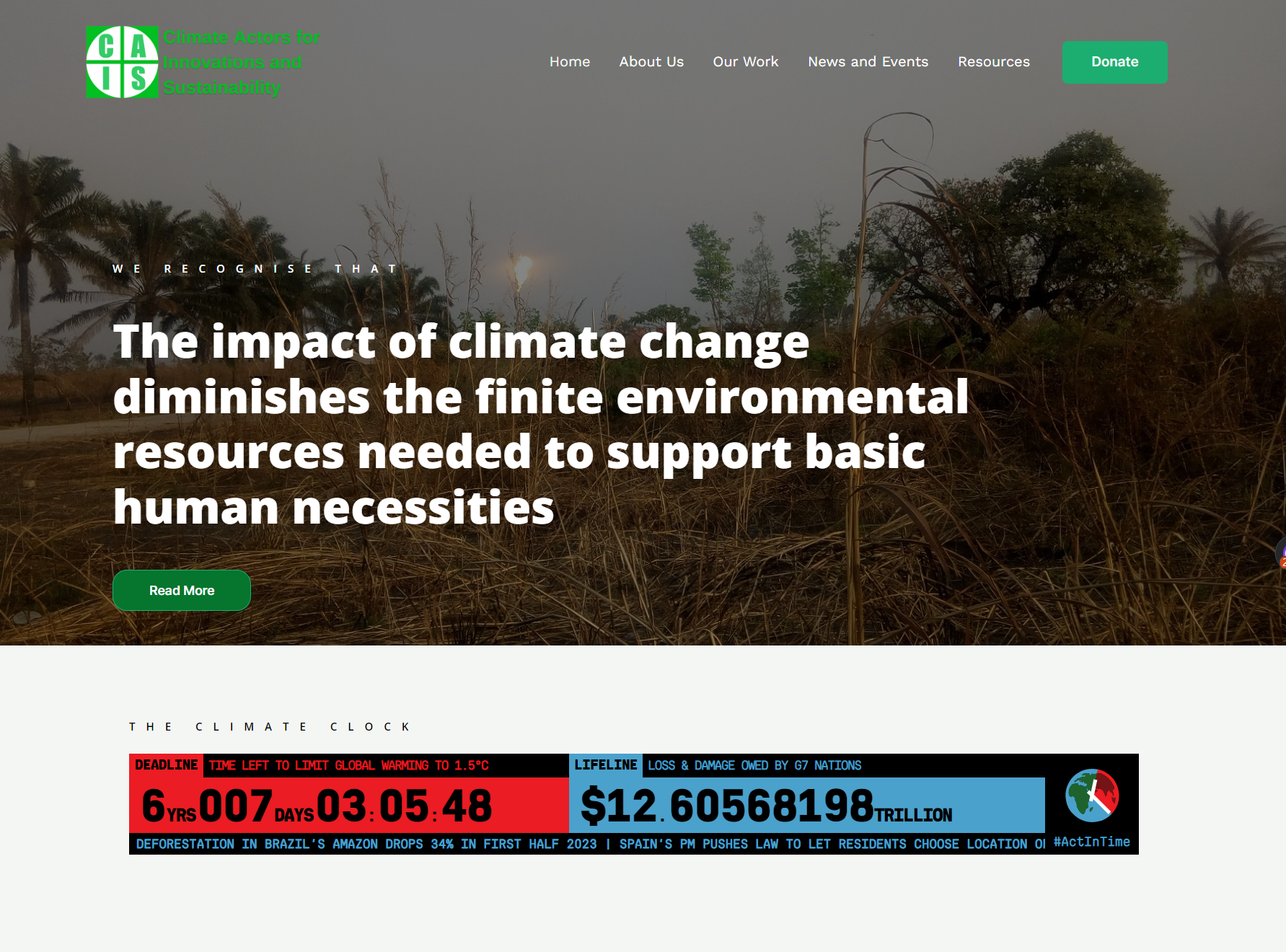
We join the Climate Clock team to amplify the urgency to keep the global annual temperature rise below 1.5ºC with the climate clock on our homepage. The fact that some rivers, lakes, and streams are drying up is no longer news. In several other locations, flooding has caused events to change quickly and frequently at the slightest hint of rain. Food security is compromised, biodiversity is disappearing, livelihoods are in jeopardy, and the future of humanity is uncertain.
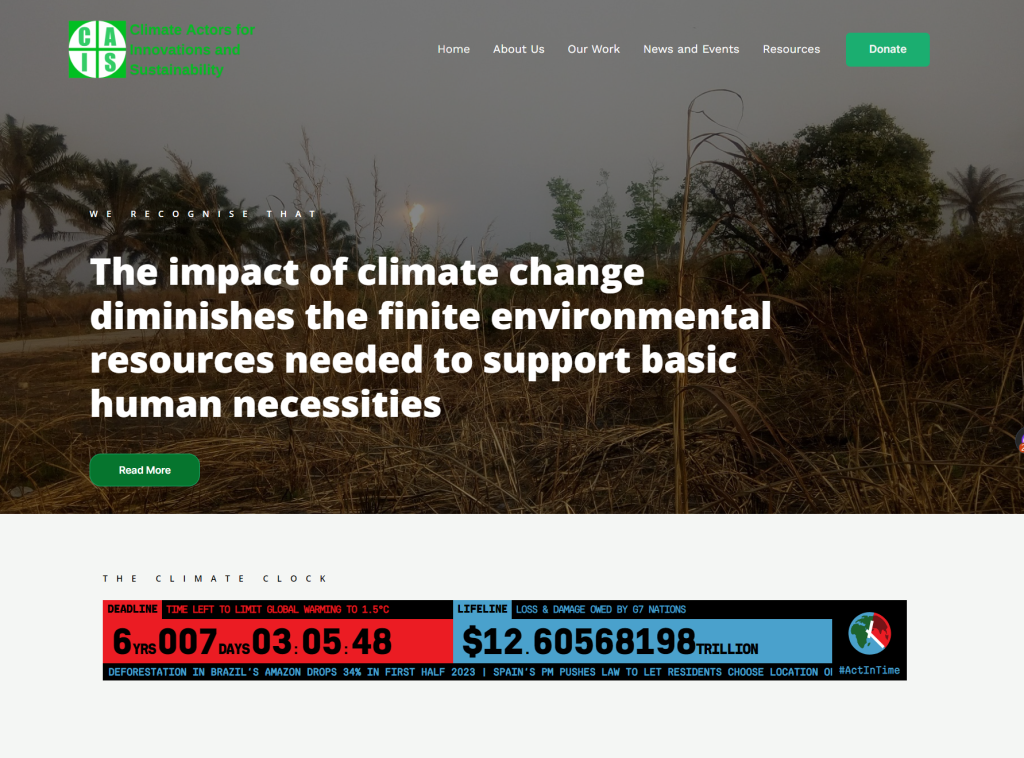
Considering the global carbon emissions humans continue to generate, the Climate Clock deadline indicates the time remaining before the carbon budget is exhausted. The IPCC report, released in the summer of 2021, includes a carbon budget. According to the updated carbon budget estimates for limiting global warming to 1.5ºC, starting in 2020, humans might add 400Gt of carbon to the atmosphere and still have a 67% probability of doing so.
According to the Climate Clock, the clock will keep ticking until it reaches zero, at which point our carbon budget will be exhausted, and there will be a high probability of catastrophic global climate impacts. Within this crucial window for action, we must move to reduce global greenhouse gas emissions toward zero as quickly as possible.
The Mercator Research Institute on Global Commons and Climate Change is the source of the information used to determine the deadline. The time remaining on the MCC’s carbon clock is determined using an average annual rate of 42.2 Gt of carbon emissions. Our carbon budget will deplete more quickly if global emission rates keep increasing. Theoretically, there would be more time on the clock if we reduced the rate of global carbon emissions.
On July 22, we will have less than 6 years to the deadline for the first time. On this day, the Climate Clock will drop below 6 years. In taking action, we are in a race against time. Global leaders, corporations, and big polluters must act morally and work to keep global warming below 1.5 degrees.
#ActInTime.
Know more about the Climate Clock on climateclock.world.